A Natural Solution for California's Herds: African Catfish Peptides

California's cattle producers and agricultural communities are all too familiar with the rising challenge of antibiotic resistance, making common bacterial infections harder to treat in livestock. But imagine a future where we could tackle these infections with a natural, powerful alternative. Our research points to just that: antimicrobial peptides (AMPs) found in African catfish.

We're really excited about these peptides because African catfish thrive in pathogen-rich freshwater, naturally producing these robust immune compounds in their skin mucus as a defense. This natural origin makes them highly appealing alternatives to synthetic drugs.

Predicted Safety and Potent Action

One of the most compelling aspects of these AMPs is their predicted safety for mammals. Our initial computer analyses suggest that various catfish AMPs are generally recognized as safe (GRAS). We predict they'll be absorbed in the human intestine without causing liver, brain, or heart toxicity. Furthermore, lab tests on a promising peptide, NACAP-II, confirmed it was non-hemolytic, meaning it didn't damage rabbit red blood cells—a strong indicator of its potential safety for mammalian cells.

Beyond safety, these peptides demonstrate effectiveness against problematic bacteria. One study revealed NACAP-II's strong activity against Extended-Spectrum Beta-Lactamase (ESBL)-producing Escherichia coli—a critical concern for both animal and human health due to its resistance to many common antibiotics. Another peptide, ACAP-IV, also showed antibacterial activity against E. coli and Staphylococcus aureus. We believe these AMPs work by directly disrupting bacterial cell membranes, a mechanism that makes it harder for bacteria to develop resistance compared to how they resist traditional antibiotics.
Primary Image
UC Dry Bean Field Day 2018.
UC Dry Bean Blog: Article

UC Dry Bean Field Day on August 31, 2021

August 16, 2021
By Michelle M Leinfelder-Miles
We are eager to host the UC Dry Bean Field Day once again! Please mark your calendars and join us on Tuesday, August 31, 2021 from 9:00am to 11:30am at UC Davis. The field day will feature presentations from UC Davis and UC Cooperative Extension researchers.
View Article
Primary Image
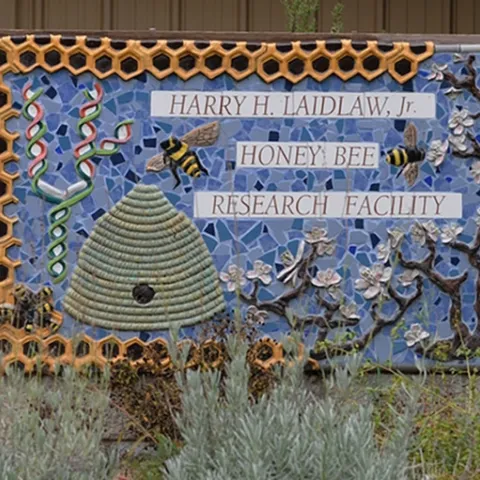
Cheryl Veretto was first in line to take the California Master Beekeeper Program practical test administered in September 2016. With her is UC Davis research associate Charley Nye, CAMBP examiner and manager of the Laidlaw facility. (Photo by Kathy Keatley Garvey)

Master Beekeeper Cheryl Veretto: She Loved Bees, Plants and People

August 16, 2021
By Kathy Keatley Garvey
Cheryl Veretto was the first to step forward. She and 51 other beekeepers had gathered that day in September 2016 at the Harry H. Laidlaw Jr. Honey Bee Research Facility at UC Davis to undergo testing to become California Master Beekeepers at the apprentice level.
View Article
Primary Image
Master Gardener smiling with basket of garden harvest of eggplant, squash, basil, and tomatoes.
The Stanislaus Sprout: Article

Meet a Master Gardener: Rosalinda Ruiz

August 16, 2021
By Anne E Schellman
If you are subscribed to this email blog, you are already familiar with the UCCE Stanislaus County Master Gardener Program. We thought it would be fun to interview some of our volunteers so you can learn more about them, and why they volunteer.
View Article
Primary Image
Rice Pest Course
UC Rice Blog: Article

EVENT :: Rice Pest Management Course 2021

August 16, 2021
By Whitney B Brim-Deforest
EVENT: UC Rice Pest Management Course 2021 DAY/DATE: Friday, Sept. 10, 2021 LOCATION: Hamilton Road Field (on West Hamilton Rd. between Hwy. 99 and Riceton Hwy.
View Article
Primary Image
Alaska Sitka Spruce (photos by Karen Metz)
Under the Solano Sun: Article

More Alaskan Plants

August 16, 2021
Our naturalists were full of information on the plant life that surrounded us on the hikes in the temperate, coastal rainforests of Southeastern Alaska. Annual rainfall there can vary from 60 to 200 inches.
View Article
Cooperative Extension San Joaquin County: Article

August 2021 Field Notes Newsletter

August 16, 2021
In this issue: Processing Tomato Update Investigation of Possible ALS-Resistant Common Chickweed Populations in the San Joaquin Valley Investigating the Cause of Leaf Blotch and Fruit Spot of Apple Nitrogen Fertility in Common Beans Following Whole Orchard Recycling Updates on Botryosphaeria-Phomops...
View Article