A Natural Solution for California's Herds: African Catfish Peptides

California's cattle producers and agricultural communities are all too familiar with the rising challenge of antibiotic resistance, making common bacterial infections harder to treat in livestock. But imagine a future where we could tackle these infections with a natural, powerful alternative. Our research points to just that: antimicrobial peptides (AMPs) found in African catfish.

We're really excited about these peptides because African catfish thrive in pathogen-rich freshwater, naturally producing these robust immune compounds in their skin mucus as a defense. This natural origin makes them highly appealing alternatives to synthetic drugs.

Predicted Safety and Potent Action

One of the most compelling aspects of these AMPs is their predicted safety for mammals. Our initial computer analyses suggest that various catfish AMPs are generally recognized as safe (GRAS). We predict they'll be absorbed in the human intestine without causing liver, brain, or heart toxicity. Furthermore, lab tests on a promising peptide, NACAP-II, confirmed it was non-hemolytic, meaning it didn't damage rabbit red blood cells—a strong indicator of its potential safety for mammalian cells.

Beyond safety, these peptides demonstrate effectiveness against problematic bacteria. One study revealed NACAP-II's strong activity against Extended-Spectrum Beta-Lactamase (ESBL)-producing Escherichia coli—a critical concern for both animal and human health due to its resistance to many common antibiotics. Another peptide, ACAP-IV, also showed antibacterial activity against E. coli and Staphylococcus aureus. We believe these AMPs work by directly disrupting bacterial cell membranes, a mechanism that makes it harder for bacteria to develop resistance compared to how they resist traditional antibiotics.
Primary Image
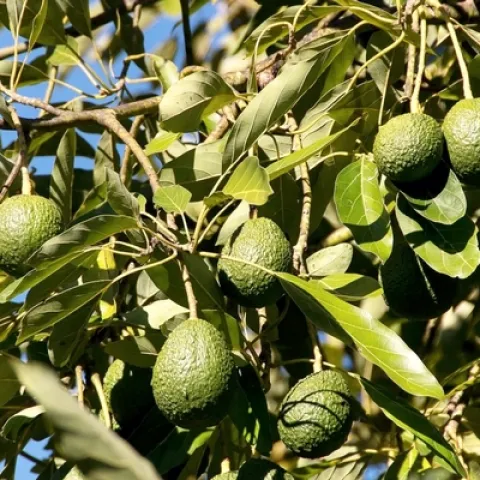
Figs. (thespruce.com)
Napa Master Gardener Column: Article

Figs.

June 25, 2021
By Susanne von Rosenberg, UC Master Gardener of Napa County I still remember my first fresh figs. My family was traveling in Southern Europe and my dad stopped at a roadside stand. He was so happy that they had figs.
View Article
Primary Image
UC Davis Terrace native garden. (Ellen Zagory)
The Stanislaus Sprout: Article

Water-Wise Class this Tuesday

June 25, 2021
By Anne E Schellman
We hope to "see" you at our Zoom class, Water-Wise Tips for the Garden and Home! Learn about where our water comes from, how it's used, and how you can save from our UCCE Stanislaus County Master Gardeners. Where: On Zoom. You will receive a link the morning of the class.
View Article
Primary Image
Will Suckow
ANR Employee News: Article

Will Suckow retires from UC ANR design career

June 25, 2021
By Pamela S Kan-Rice
Senior artist Will Suckow retired from the UC ANR Publishing group on June 30, 2021, after 20 years of UC service. He leaves a legacy of innovation, beautiful design and high standards of quality and efficiency.
View Article
Primary Image
three sisters
Under the Solano Sun: Article

Three Sisters Planting

June 25, 2021
There are many different legends surrounding the Three Sisters gardening practice in Native American culture where corn (maize) beans (pole kind) and squash are planted together. The story goes that beans, corn, and squash represent three Native American maidens.
View Article
Primary Image
citrus yellow vein disease
Topics in Subtropics: Article

A Citrus Trojan Horse

June 25, 2021
By Ben A Faber
Scientists are hoping the RNA of an obscure infection can one day be used like a Trojan horse to deliver life-saving treatments to citrus trees. UCR microbiologist Kiran Gadhave examining citrus for yellow vein disease symptoms.
View Article
Master Food Preservers San Bernardino County: Article

Chicken feet

June 25, 2021
Made a batch of chicken broth recently and pressure canned it up. For previous batches I have used a conglomeration of leftover chicken bones, carcasses, necks and such that I stash in my freezer for just such a use. For this batch I went shopping for some other things.
View Article
Primary Image
Wildtending tools include collecting bags, loppers, and water, Janeva Sorenson
The Real Dirt: Article

Wildtending Walk #4: This Knowledge is Not Everywhere

June 25, 2021
Two quotes from the leaders of the May 25 Wildtending Walk at Verbena Fields in Chico are pertinent here. Toward the end of the walk Ali Meders-Knight, Traditional Ecological Knowledge (TEK) Specialist for the Mechoopda Tribe, said The more we understand this place together, the better off we'll be.
View Article
Primary Image
The blister beetle is both a pollinator and a pest. It is a pest of alfalfa and is toxic to livestock, especially horses. This one is foraging on a Mexican sunflower (Tithonia rotundifola) in Vacaville. (Photo by Kathy Keatley Garvey)
Bug Squad: Article

Day 4 of National Pollinator Week: Beetles

June 24, 2021
By Kathy Keatley Garvey
When you think of pollinators, you think of bees, right? And well you should: honey bees are the global workhorses of the pollination community and pollinate about one-third of the food we eat, including fruits and vegetables and some nuts, primarily almonds (California's almond acreage exceeds 1.
View Article