A Natural Solution for California's Herds: African Catfish Peptides

California's cattle producers and agricultural communities are all too familiar with the rising challenge of antibiotic resistance, making common bacterial infections harder to treat in livestock. But imagine a future where we could tackle these infections with a natural, powerful alternative. Our research points to just that: antimicrobial peptides (AMPs) found in African catfish.

We're really excited about these peptides because African catfish thrive in pathogen-rich freshwater, naturally producing these robust immune compounds in their skin mucus as a defense. This natural origin makes them highly appealing alternatives to synthetic drugs.

Predicted Safety and Potent Action

One of the most compelling aspects of these AMPs is their predicted safety for mammals. Our initial computer analyses suggest that various catfish AMPs are generally recognized as safe (GRAS). We predict they'll be absorbed in the human intestine without causing liver, brain, or heart toxicity. Furthermore, lab tests on a promising peptide, NACAP-II, confirmed it was non-hemolytic, meaning it didn't damage rabbit red blood cells—a strong indicator of its potential safety for mammalian cells.

Beyond safety, these peptides demonstrate effectiveness against problematic bacteria. One study revealed NACAP-II's strong activity against Extended-Spectrum Beta-Lactamase (ESBL)-producing Escherichia coli—a critical concern for both animal and human health due to its resistance to many common antibiotics. Another peptide, ACAP-IV, also showed antibacterial activity against E. coli and Staphylococcus aureus. We believe these AMPs work by directly disrupting bacterial cell membranes, a mechanism that makes it harder for bacteria to develop resistance compared to how they resist traditional antibiotics.
Primary Image
young-plant-WZDQUG2
UC Marin Master Gardeners: Article

June 2021: Fertilizing Your Soil

August 22, 2021
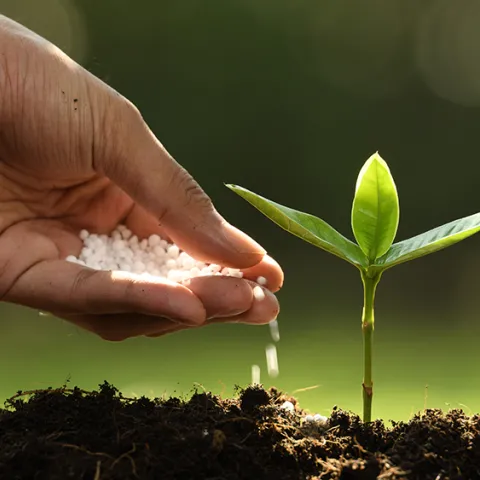
May found our team tucking summer harvest seedlings into our beds and anxiously monitoring them to make sure they have everything they need to thrive. Fertile soil is a must and the primary nutrients needed are N, (Nitrogen) P (Phosphorous), and K (Potassium)....
View Article
UC Marin Master Gardeners: Article

May 2021: Straw Bale Gardening

August 22, 2021
The word last month was weeds. This month, it is straw. Straw is one of the most versatile materials for our vegetable gardens. Our team uses it in many ways...
View Article
Primary Image
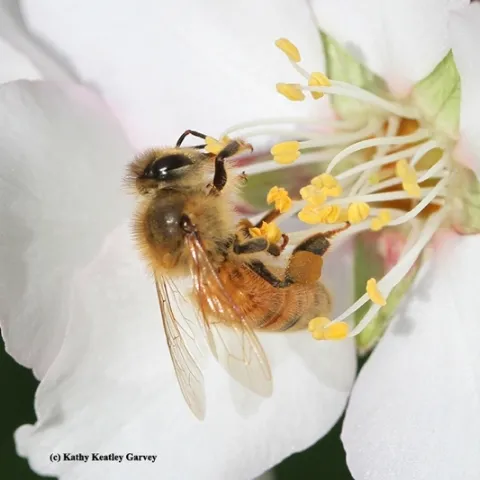
Honey bee pollinating an almond blossom. (Photo by Kathy Keatley Garvey)
Bug Squad: Article

National Honey Bee Day: A Buzzworthy Day, Indeed

August 20, 2021
By Kathy Keatley Garvey
Hear that buzz? Are you ready for National Honey Bee Day? It's held the third Saturday of August and that's tomorrow. Launched in 2009 by a small group of beekeepers petitioning the U.S. Department of Food and Agriculture (USDA), the day basically "honors" honey bees and beekeeping.
View Article
Primary Image
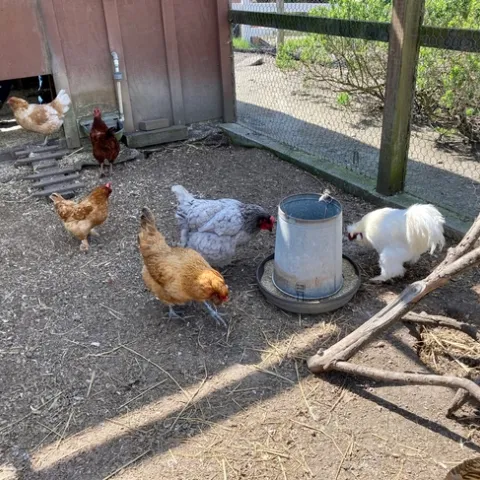
Six hens peck at the dirt outside of a chicken coop.

Chicken owners invited to take survey guiding disease prevention

August 20, 2021
By Pamela S Kan-Rice
Californians who raise chickens and game fowl are invited to participate in a study to help the University of California more effectively deliver poultry health information and prevent the spread of diseases such as avian influenza. Myrna Cadena, a Ph.D.
View Article
Primary Image
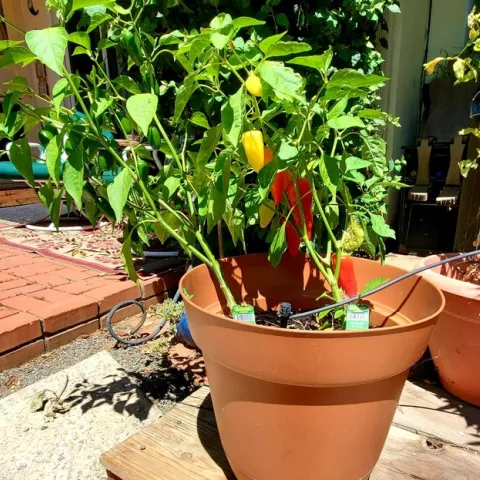
Havasu & Jalepeno Plants - Al Alvarado
Under the Solano Sun: Article

Havasu & Jalapeno Pepper Adventure

August 20, 2021
My husband has many colleagues with gardens who share their surplus bounty. He has brought home many bags of zucchini, tomatoes, and oranges none of which go to waste. One day, my husband brought home a jar of jalapeo jelly that one coworker made as a special treat.
View Article
Primary Image
UCCE logo
SJC and Delta Field Crops: Article

Upcoming Meetings of Interest

August 20, 2021
By Michelle M Leinfelder-Miles
I am pleased to announce the following meetings and webinars. 1. The Rice Experiment Station (RES) Annual Field Day will takes place next Wednesday, August 25, 2021 from 7:30am to 12:00pm, followed by lunch. The RES is located at 955 Butte City Highway (Hwy.
View Article
Primary Image
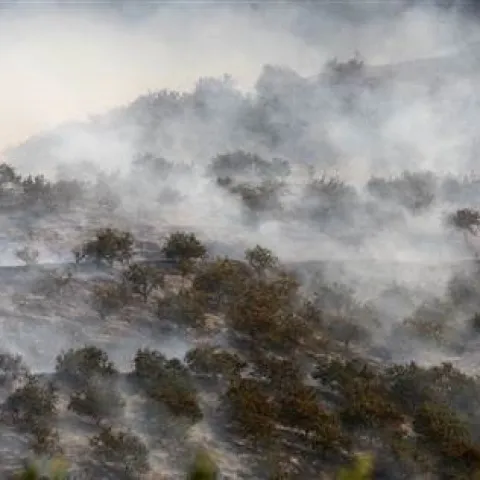
fire orchard

A Fire Prepared Orchard

August 20, 2021
By Ben A Faber
Sonia Rios, Area Subtropical Horticulture Advisor, Riverside & San Diego Counties Henry Herrera, Forester, California Department of Forestry and Fire Protection (CAL FIRE) Gary Bender, Subtropical Horticulture Advisor, Emeritus, San Diego County This is a reposting of a blog from 2015 that is still...
View Article
Primary Image
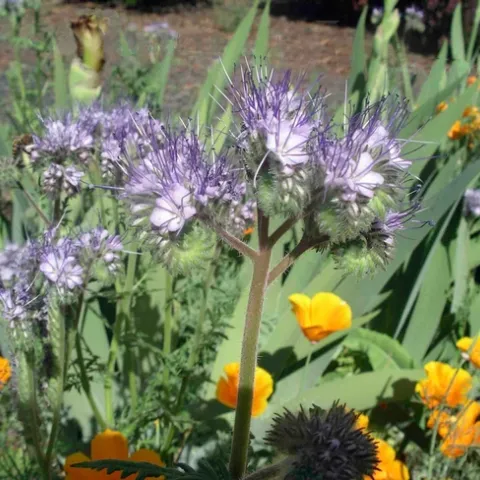
Phacelia and poppies, Cindy Weiner

Naturescaping

August 20, 2021
Imagine a garden designed to focus on creating natural wildlife habitat. Why not eliminate turf grass from your own garden and replace it with trees, shrubs, perennials, and annuals that benefit wildlife? Welcome to Naturescaping, a method of landscaping that allows people and nature to coexist.
View Article
Primary Image
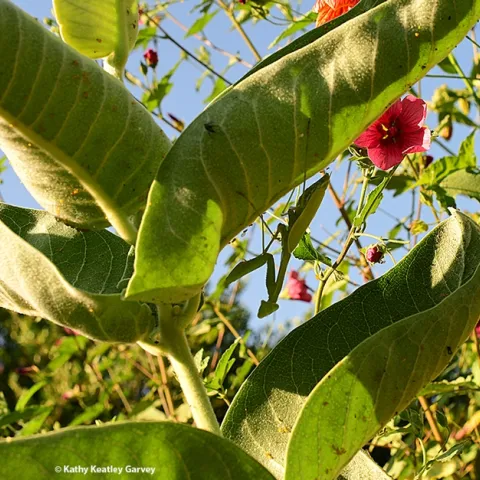
A praying mantis, Stagmomantis limbata, hanging out on a milkweed in Vacaville, Calif. after molting. (Photo by Kathy Keatley Garvey)

Milkweed's New Buddy: It's Not a Monarch

August 19, 2021
By Kathy Keatley Garvey
Our showy milkweed (Asclepias speciosa) is putting on a show. The towering plant--a good eight feet--anchors the garden as we patiently wait for monarch butterflies to arrive and lay their eggs.
View Article