A Natural Solution for California's Herds: African Catfish Peptides

California's cattle producers and agricultural communities are all too familiar with the rising challenge of antibiotic resistance, making common bacterial infections harder to treat in livestock. But imagine a future where we could tackle these infections with a natural, powerful alternative. Our research points to just that: antimicrobial peptides (AMPs) found in African catfish.

We're really excited about these peptides because African catfish thrive in pathogen-rich freshwater, naturally producing these robust immune compounds in their skin mucus as a defense. This natural origin makes them highly appealing alternatives to synthetic drugs.

Predicted Safety and Potent Action

One of the most compelling aspects of these AMPs is their predicted safety for mammals. Our initial computer analyses suggest that various catfish AMPs are generally recognized as safe (GRAS). We predict they'll be absorbed in the human intestine without causing liver, brain, or heart toxicity. Furthermore, lab tests on a promising peptide, NACAP-II, confirmed it was non-hemolytic, meaning it didn't damage rabbit red blood cells—a strong indicator of its potential safety for mammalian cells.

Beyond safety, these peptides demonstrate effectiveness against problematic bacteria. One study revealed NACAP-II's strong activity against Extended-Spectrum Beta-Lactamase (ESBL)-producing Escherichia coli—a critical concern for both animal and human health due to its resistance to many common antibiotics. Another peptide, ACAP-IV, also showed antibacterial activity against E. coli and Staphylococcus aureus. We believe these AMPs work by directly disrupting bacterial cell membranes, a mechanism that makes it harder for bacteria to develop resistance compared to how they resist traditional antibiotics.
Glenn County: Article

California Dairy Newsletter - Special Drought Edition July 2021

July 13, 2021
In this issue: Every Drop Counts Sorghum- Deficit Irrigation Corn Irrigation Strategies Culling Decisions Nitrate in Forages Cooling Cows ABOUT THIS ISSUE Its no secret that were in the midst of one of the most challenging droughts that our state has ever experienced.
View Article
Primary Image
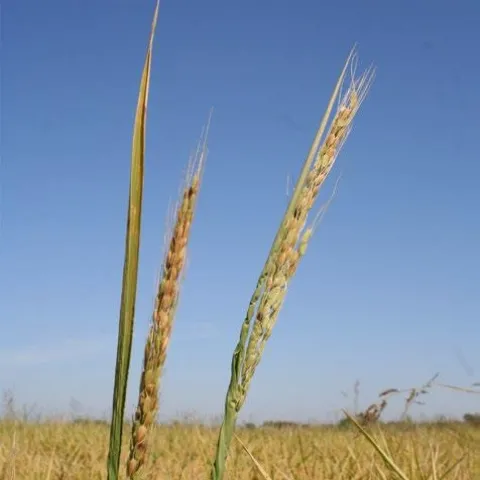
Weedy rice Type 3 (photo credit: Luis Espino)
UC Rice Blog: Article

Weedy Rice Workshop 2021

July 13, 2021
By Whitney B Brim-Deforest
Date: August 3, 2021 Location: UCCE Sutter-Yuba Office 142A Garden Highway, Yuba City Register here! Free (lunch provided) Meeting Agenda 9:009:30 am Research Updates 2020-2021 (Whitney Brim-DeForest, CE Rice Advisor) 9:3010:00 am Weedy Rice Survey 2020 (Luis Espino, CE Rice Advisor) 10:00-10:15 am...
View Article
UCCE Central Sierra Livestock & Natural Resources: Article

July 2021

July 13, 2021
In this issue: Placer and Nevada Offices Reopening More than Simply Surviving Help us Pilot-Test a New Drought Decision Support Tool Managing Irrigated Pasture during Drought Getting our Ranches Ready for Fire Season Disaster Livestock Access Pass Program in the Works for the Foothills A Final Word.
View Article
Article

State boosts ANR budget

July 13, 2021
By Pamela S Kan-Rice
Dear Colleagues, I am beyond thrilled to share with you that Governor Newsom signed the state budget last night and it includes a historic increase for the University of California Agriculture and Natural Resources.
View Article
Colusa County: Article

July 2021

July 13, 2021
Ornamental Plant of the Month Agapanthus Edible Plant of the Month Amaranth Recipe of the Month Easy Crispy Chicken July Tomato Tasting and other Garden Goodies July 31, 9 am 499 Marguerite, Williams Education Village Arbuckle Farmers Market Downtown Arbuckle Every Wednesday 47 pm August and beyond...
View Article
Primary Image
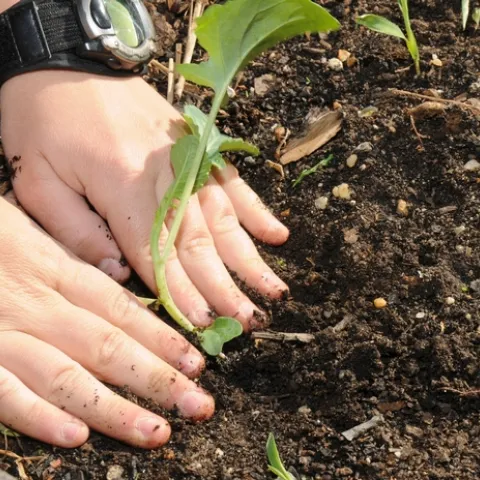
The UC Master Gardener Program can provide technical assistance to help home gardeners find resources for home soil testing. (Photo: USDA)
Green Blog: Article

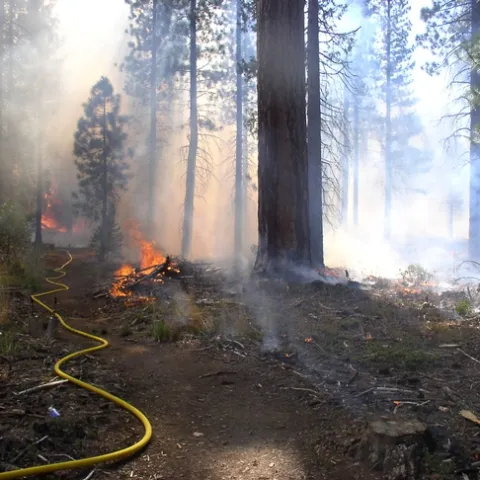
Smoke and ash from wildfire may have lingering impacts in food production

July 13, 2021
By Jeannette Warnert
A summer of smoke and ash in many parts of California has raised questions about the safety of produce growing on farms and in the garden, eggs laid by chickens who peck around in ash-laden areas, and remediation needed to safely and effectively grow food in the future.
View Article