A Natural Solution for California's Herds: African Catfish Peptides

California's cattle producers and agricultural communities are all too familiar with the rising challenge of antibiotic resistance, making common bacterial infections harder to treat in livestock. But imagine a future where we could tackle these infections with a natural, powerful alternative. Our research points to just that: antimicrobial peptides (AMPs) found in African catfish.

We're really excited about these peptides because African catfish thrive in pathogen-rich freshwater, naturally producing these robust immune compounds in their skin mucus as a defense. This natural origin makes them highly appealing alternatives to synthetic drugs.

Predicted Safety and Potent Action

One of the most compelling aspects of these AMPs is their predicted safety for mammals. Our initial computer analyses suggest that various catfish AMPs are generally recognized as safe (GRAS). We predict they'll be absorbed in the human intestine without causing liver, brain, or heart toxicity. Furthermore, lab tests on a promising peptide, NACAP-II, confirmed it was non-hemolytic, meaning it didn't damage rabbit red blood cells—a strong indicator of its potential safety for mammalian cells.

Beyond safety, these peptides demonstrate effectiveness against problematic bacteria. One study revealed NACAP-II's strong activity against Extended-Spectrum Beta-Lactamase (ESBL)-producing Escherichia coli—a critical concern for both animal and human health due to its resistance to many common antibiotics. Another peptide, ACAP-IV, also showed antibacterial activity against E. coli and Staphylococcus aureus. We believe these AMPs work by directly disrupting bacterial cell membranes, a mechanism that makes it harder for bacteria to develop resistance compared to how they resist traditional antibiotics.
Primary Image
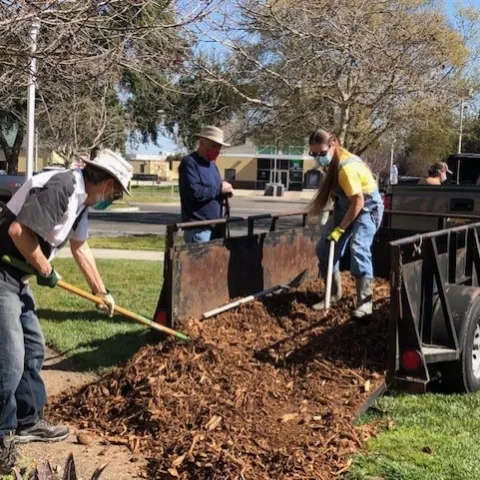
Three master gardeners putting mulch from a truck bed into the landscape.
The Stanislaus Sprout: Article

What's Growing On at the Stanislaus County Agricultural Center?

June 2, 2021
By Anne E Schellman
Amid all the COVID-19 restrictions, the UCCE Master Gardeners of Stanislaus County have been hard at work bringing our Learning Landscape' to life at the Stanislaus County Agricultural Center, located at 3800 Cornucopia Way in Modesto.
View Article
ANR Adventures: Article

Big Dig Day is here

June 2, 2021
By Wendy Powers
The short week is off to a great start, weather aside! I hope everyone enjoyed the Memorial Day holiday and took time to remember those who gave the ultimate sacrifice to protect our freedom. Take a look at this short video to learn how Michelle Hammer-Coffer reflects on Memorial Day.
View Article
Primary Image
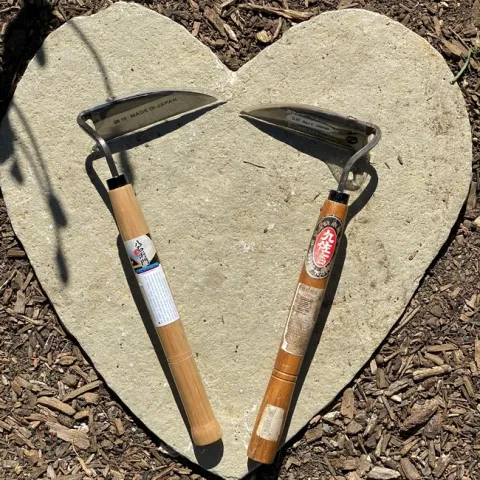
photo by Erin Mahaney
Under the Solano Sun: Article

Another Favorite Tool: Japanese Weeding Sickle

June 2, 2021
As I've noted in a previous blog, the sign of a good garden tool is when my husband steals it from me repeatedly. The fact that he then bought a second one of the same tool, so that he could have both right- and left-handed versions is even more telling.
View Article
Primary Image
California 4-H Shooting Sports logo
California 4-H Grown: Article

4-H Shooting Sports Moving Forward

June 2, 2021
By John A Borba
This article first appeared in the Civilian Marksmanship Program (CMP) Shooting News. Reprinted with permission from John Borba. Submitted by John Borba, State Shooting Sports Coordinator.
View Article
Primary Image
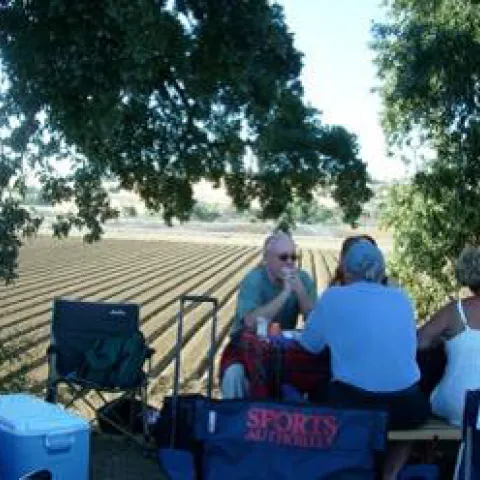
agritourism 1
Topics in Subtropics: Article

Talking Farmer

June 2, 2021
By Ben A Faber
Attention Farmers & Ranchers (to include all growers, ranchers, workers of the land, shepherds, cattle people, and farm advocates)!!! There's a new group just for you being formed in Ventura County. Join us for an evening of farmer focused conversation.
View Article
Primary Image
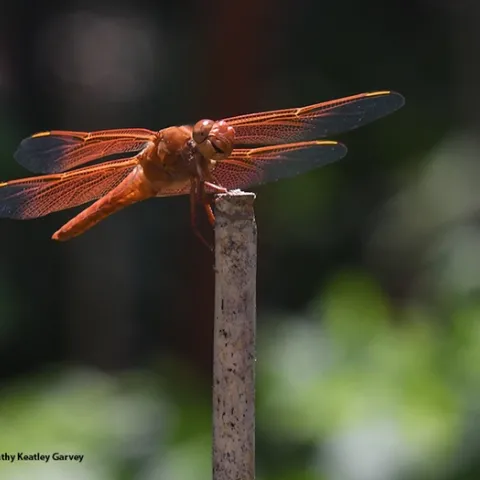
The male flameskimmer dragonfly (Libellula saturata) is firecracker red. (Photo by Kathy Keatley Garvey)
Bug Squad: Article

Like a Lens to a Flame

June 1, 2021
By Kathy Keatley Garvey
It's a delight to see the flameskimmer dragonfly (Libellula saturata). This male made its appearance in our Vacaville pollinator garden on May 17, and hung around long enough for me to capture several images. Like a lens to a flame...
View Article
Article

Join Us For "This Month In The Garden" on In The Garden Radio

June 1, 2021
June gloom will probably sock us in locally with some morning moisture which is great for the garden. It's a good time of year for dividing your bearded iris. KUCI staff host Katrina Kirkeby and fellow UC Master Gardener Teena Spindler and will fill you in on what to do.
View Article