California's cattle producers and agricultural communities are all too familiar with the rising challenge of antibiotic resistance, making common bacterial infections harder to treat in livestock. But imagine a future where we could tackle these infections with a natural, powerful alternative. Our research points to just that: antimicrobial peptides (AMPs) found in African catfish.
We're really excited about these peptides because African catfish thrive in pathogen-rich freshwater, naturally producing these robust immune compounds in their skin mucus as a defense. This natural origin makes them highly appealing alternatives to synthetic drugs.
Predicted Safety and Potent Action
One of the most compelling aspects of these AMPs is their predicted safety for mammals. Our initial computer analyses suggest that various catfish AMPs are generally recognized as safe (GRAS). We predict they'll be absorbed in the human intestine without causing liver, brain, or heart toxicity. Furthermore, lab tests on a promising peptide, NACAP-II, confirmed it was non-hemolytic, meaning it didn't damage rabbit red blood cells—a strong indicator of its potential safety for mammalian cells.
Beyond safety, these peptides demonstrate effectiveness against problematic bacteria. One study revealed NACAP-II's strong activity against Extended-Spectrum Beta-Lactamase (ESBL)-producing Escherichia coli—a critical concern for both animal and human health due to its resistance to many common antibiotics. Another peptide, ACAP-IV, also showed antibacterial activity against E. coli and Staphylococcus aureus. We believe these AMPs work by directly disrupting bacterial cell membranes, a mechanism that makes it harder for bacteria to develop resistance compared to how they resist traditional antibiotics.
February 2021: Winter Pruning
Bare Root Fruit Trees For Sale Now
Some of our members are interested in expanding our fruit tree stock. Although we are coming to the end of it, this is the time of year to purchase new bare root trees. We know where we want to plant about six to seven trees and it is now decision-making time. Our news next month will reveal what decisions we have made.
Pruning Small Fruit Trees
We currently have two small fruit trees: a pear and three Asian plum varieties that are grafted on the same rootstock. We have had these for at least a few years and have tended to them sporadically. They have not been regularly pruned, but this year we plan to treat them right. It is time for winter pruning.
Winter Fruit Tree Pruning
Winter pruning can happen any time in mid- to late winter while the tree is dormant even when it is budding or flowering if you don’t get to it earlier. Pruning in winter should be lighter than the second pruning each year near the summer solstice. Most of us who are not professionals may be reluctant to take that first cut. However, for fruit trees, it is more important that you do the pruning rather than the precise cuts that you make. Your tree will forgive any mistakes and you will learn more every year. Winter pruning is the perfect time to start your learning. The tree is bare of leaves and its structure is totally revealed.
How to Decide What to Prune
Before you make that first cut, stand back and observe all sides of the tree. Look at negative space too; well- pruned trees have an airy quality. Ask yourself the question “What bothers me about this tree?” Is there a branch that is too low? Does anything droop or look sickly? Is the center too crowded so that the sun will not reach the lower branches? Are there branches that cross each other or head in the wrong direction? If the tree has not been regularly pruned, do not correct all problems this season. Winter pruning is a light pruning. Some problems are best corrected over time.
As you begin to answer these questions, take some blue painter’s tape and apply it to the places where you want to make the pruning cuts. For pruning an entire branch, apply the tape just outside the limb’s collar, the swollen area of trunk tissue around the base of a branch. If you want to correct the direction in which a branch is growing, then put the tape just above a bud that is pointing in the direction you would prefer. Then step back and visualize what your tree might look like. Remember that there is no one right answer in pruning and you always get a chance to fix what you have done the next season. You are more capable than you think!
Learn more about PRUNING

October 2020: The Fall/Winter Garden
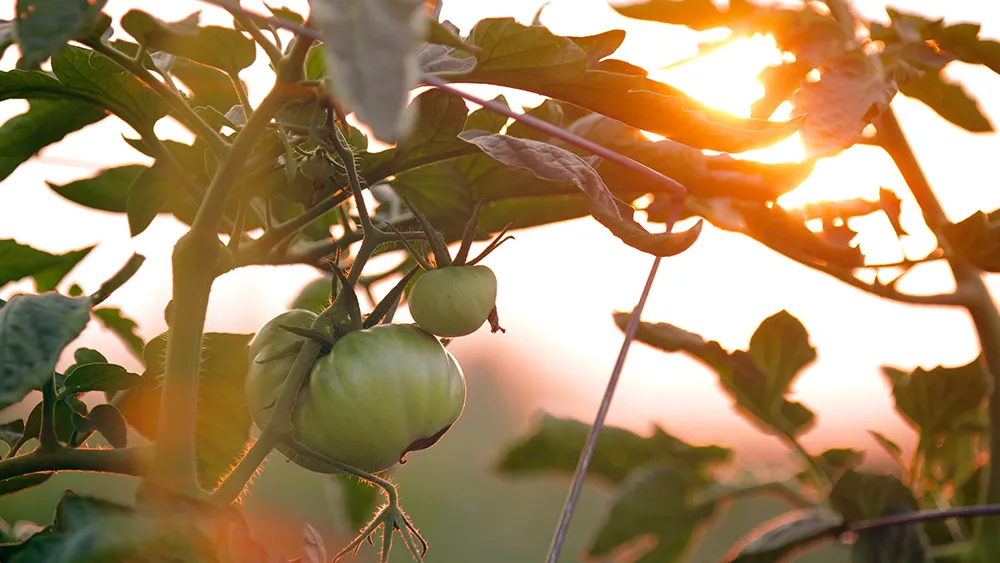
Ripen Your Green Tomatoes Indoors
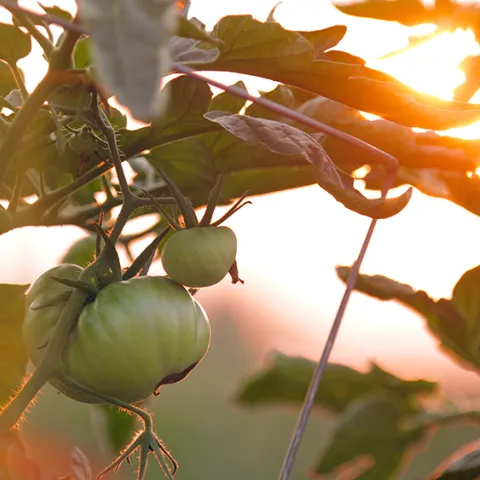
We are still holding on to our tomatoes and peppers although ripening has slowed down significantly. Our winter squash is not yet ready to pick but our summer squash is at its end. Many gardeners are reluctant to let go of their summer vegetables, particularly tomatoes. But you can pull out your tomato plants while at the same time ripening those mature green tomatoes indoors. Just wrap each green tomato in paper and store at room temperature for a few weeks. Check on them regularly for ripeness and you may still be eating tomatoes into November.
Add Compost for Your Fall/Winter Garden
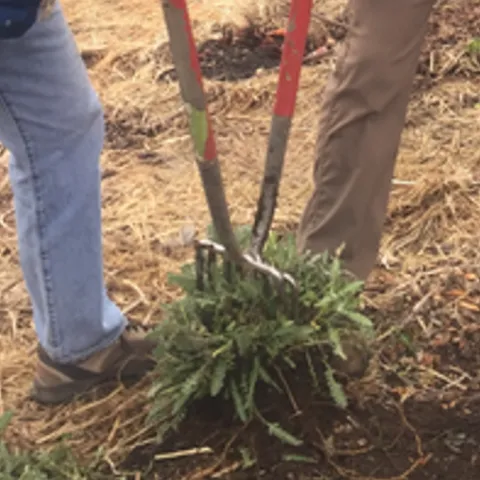
Your soil has been supporting the production of vegetables throughout the spring and summer months. Before planting anything, a 1-2 inch layer of compost should be added to your beds. There is no need to dig this layer in. Recently our team discovered in an accidental experiment the power of compost. We had added a compost layer to a half row of parsley. It was a month later when we got back to the other half of the row. We discovered that the plants with the compost were taller with more lush growth than the ones that had not gotten the compost yet. Don’t forget this crucial step when you prepare for your fall/winter garden.
Plants for Fall/Winter Garden
Our summer vegetables needed at least six hours of sun each day to thrive. Our days have already shortened significantly. By the December solstice, our daylight hours will be at about 9½ hours. But there is no need to forgo that garden you want. Many of the vegetables that grow well in the fall/winter do not need as many hours of daylight that our summer vegetables do.
Plants that need only four hours of direct sun
- Root crops: carrots, beets, and radishes (seed directly into soil)
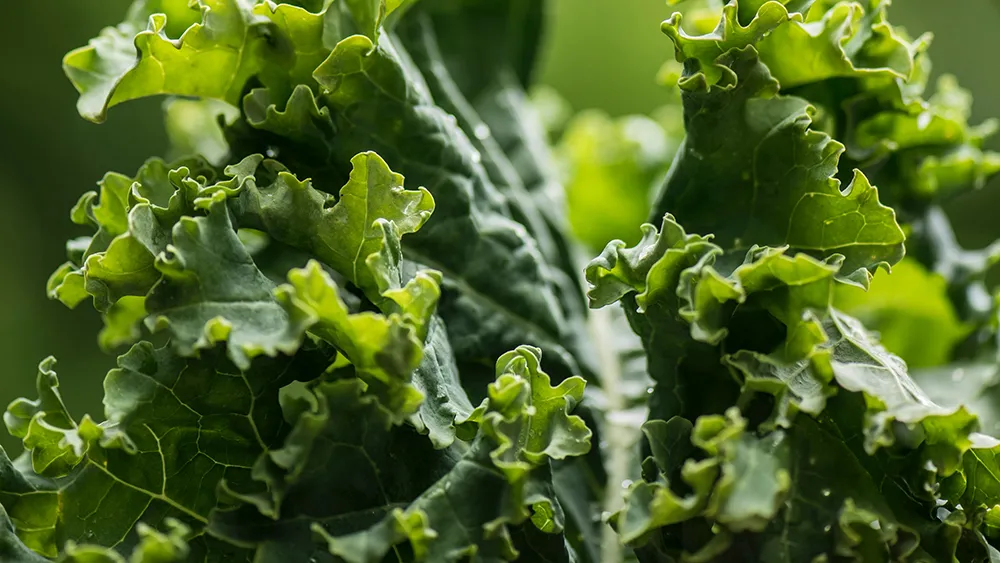
- Cole Crops: broccoli, cabbage, Brussels sprouts, cauliflower, kale (buy or start seedlings inside)
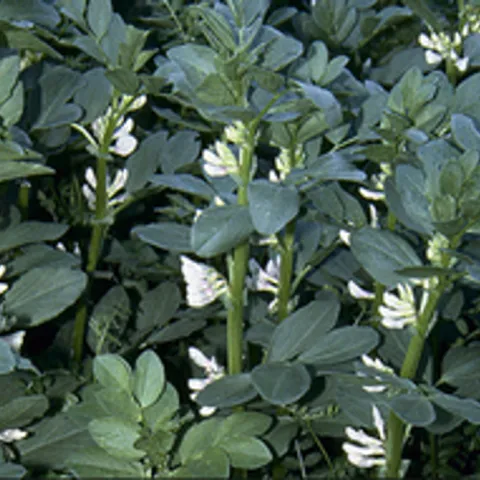
- Legumes: Peas, Fava Beans (seed directly into soil)
Plants that Can Grow in Open Shade (bright light only)
- Arugula
- Parsley
- Lettuces including mixes like mesclum
Our plan for the EDG fall/winter garden includes all of the above plants. We will try out some new varieties like watermelon radishes, Broccoli De Cicco, and Broccoli Rabe. We will also be planting Brussels Sprouts for the first time this year.
In the following months, we will bring you updates on the progress of our fall/winter garden. Start adding compost now and you can join us in the adventure of cold weather gardening.