A Natural Solution for California's Herds: African Catfish Peptides

California's cattle producers and agricultural communities are all too familiar with the rising challenge of antibiotic resistance, making common bacterial infections harder to treat in livestock. But imagine a future where we could tackle these infections with a natural, powerful alternative. Our research points to just that: antimicrobial peptides (AMPs) found in African catfish.

We're really excited about these peptides because African catfish thrive in pathogen-rich freshwater, naturally producing these robust immune compounds in their skin mucus as a defense. This natural origin makes them highly appealing alternatives to synthetic drugs.

Predicted Safety and Potent Action

One of the most compelling aspects of these AMPs is their predicted safety for mammals. Our initial computer analyses suggest that various catfish AMPs are generally recognized as safe (GRAS). We predict they'll be absorbed in the human intestine without causing liver, brain, or heart toxicity. Furthermore, lab tests on a promising peptide, NACAP-II, confirmed it was non-hemolytic, meaning it didn't damage rabbit red blood cells—a strong indicator of its potential safety for mammalian cells.

Beyond safety, these peptides demonstrate effectiveness against problematic bacteria. One study revealed NACAP-II's strong activity against Extended-Spectrum Beta-Lactamase (ESBL)-producing Escherichia coli—a critical concern for both animal and human health due to its resistance to many common antibiotics. Another peptide, ACAP-IV, also showed antibacterial activity against E. coli and Staphylococcus aureus. We believe these AMPs work by directly disrupting bacterial cell membranes, a mechanism that makes it harder for bacteria to develop resistance compared to how they resist traditional antibiotics.

Colusa County: Article

Sacramento Valley Veg Crops October 2020

October 19, 2020
IN THIS ISSUE: Winter Cover Crop Performance in the Sacramento Valley Healthy Soils Demonstration Project Results: Winter Cover Crops in Annual Rotation Equipment to Manage Cover Crops in Annual Rotations...
View Article
Primary Image
Extension Campus Logo
Coordinator News: Article

Utilize and Contribute to the Online Training Repository

October 19, 2020
By Lauren L Snowden
With the limits placed on group size, social distancing, travel, and other personal safety restrictions holding in-person training for current and new UC Master Gardener volunteers is challenging. Many groups have overcome these challenges by hosting classes online, both live and recorded.
View Article
Primary Image
Profile image of Edna Blackhurst, she has black hair and is wearing a red blouse.
UC Master Gardener Program Statewide Blog: Article

Welcome! New Program Coordinators

October 19, 2020
By Melissa G Womack
Edna Blackhurst Tulare and Kings Counties elblackhurst@ucanr.edu Edna Blackhurst has been with UCCE Tulare for more than 25 years.
View Article
Primary Image
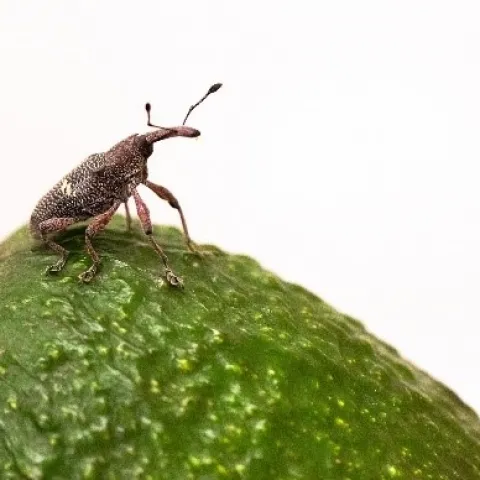
heilipus weevil
Topics in Subtropics: Article

Avocado Seed Weevil

October 19, 2020
By Ben A Faber
Proactive Management of the Avocado Seed Weevil, Heilipus lauri (Coleoptera: Curculionidae) Mark S. Hoddle, Department of Entomology, University of California Riverside, CA 92521 mark.hoddle@ucr.
View Article
Primary Image
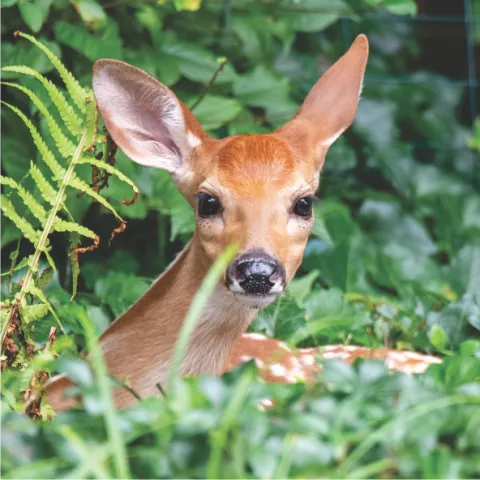
deer
Spill the Beans: Article

25 Garden Tips

October 19, 2020
To celebrate our 25th anniversary, UC Master Gardeners of Napa County asked the sole remaining member of the first class to share some garden tips. by John Chwistek When a subdivision is built, the builder brings in soil and existing top soil is moved around to grade the lots.
View Article
Primary Image
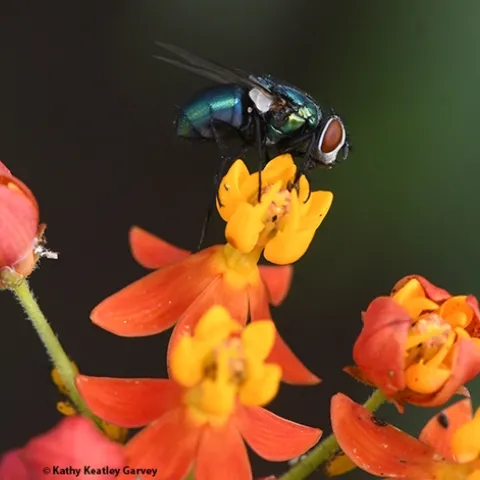
A common green bottle fly, Lucilia sericata, seeking nectar on a tropical milkweed, Asclepias curassavica. (Photo by Kathy Keatley Garvey)
Bug Squad: Article

On the Fly

October 16, 2020
By Kathy Keatley Garvey
Flies seem to be in the news a lot lately.
View Article
Primary Image
It's Oct 2020. (blankcalendarpages.com)
Napa Master Gardener Column: Article

It's October--Time to Plan!

October 16, 2020
By Susanne von Rosenberg, UC Master Gardener of Napa County It's the middle of October, we haven't had any rain yet, and I'm working on and thinking about my spring vegetable garden.
View Article