A Natural Solution for California's Herds: African Catfish Peptides

California's cattle producers and agricultural communities are all too familiar with the rising challenge of antibiotic resistance, making common bacterial infections harder to treat in livestock. But imagine a future where we could tackle these infections with a natural, powerful alternative. Our research points to just that: antimicrobial peptides (AMPs) found in African catfish.

We're really excited about these peptides because African catfish thrive in pathogen-rich freshwater, naturally producing these robust immune compounds in their skin mucus as a defense. This natural origin makes them highly appealing alternatives to synthetic drugs.

Predicted Safety and Potent Action

One of the most compelling aspects of these AMPs is their predicted safety for mammals. Our initial computer analyses suggest that various catfish AMPs are generally recognized as safe (GRAS). We predict they'll be absorbed in the human intestine without causing liver, brain, or heart toxicity. Furthermore, lab tests on a promising peptide, NACAP-II, confirmed it was non-hemolytic, meaning it didn't damage rabbit red blood cells—a strong indicator of its potential safety for mammalian cells.

Beyond safety, these peptides demonstrate effectiveness against problematic bacteria. One study revealed NACAP-II's strong activity against Extended-Spectrum Beta-Lactamase (ESBL)-producing Escherichia coli—a critical concern for both animal and human health due to its resistance to many common antibiotics. Another peptide, ACAP-IV, also showed antibacterial activity against E. coli and Staphylococcus aureus. We believe these AMPs work by directly disrupting bacterial cell membranes, a mechanism that makes it harder for bacteria to develop resistance compared to how they resist traditional antibiotics.
Salinas Valley Agriculture: Article

2020 California Plant and Soil Conference Feb 4-5

January 29, 2020
By Michael D Cahn
The California Plant and Soil Conference will be held in Fresno CA at the DoubleTree Hotel and Convention Center on February 4-5, 2020. This is a very comprehensive conference with talks from speakers invited from industry, government agencies, and universities.
View Article
Primary Image
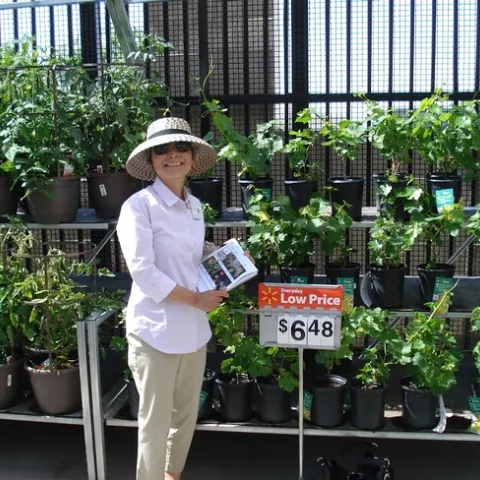
Woman with clipboard standing in front of a row of plants at a local nursery.
Coordinator News: Article

PlantRight: Help Stop Invasive Garden Plants!

January 29, 2020
By Melissa G Womack
Join PlantRight this spring for its 9th Annual Spring Nursery Survey. UC Master Gardener county programs can offer volunteer and continuing education hours to UC Master Gardener volunteers who visit local nurseries to help PlantRight track the availability of invasive plants in California.
View Article
Primary Image
84087263 3254109041284067 6616910015892553728 n
Ranching in the Sierra Foothills: Article

52 Weeks of Livestock Guardian Dogs: A New Social Media Project

January 29, 2020
By Daniel K Macon
Several years ago, I started a social media project I called Sheep 365. Every day for a full year, I posted a photo of something we were doing in our sheep operation. At first, I thought it would simply be a fun way to share my shepherding year with friends and family.
View Article
Primary Image
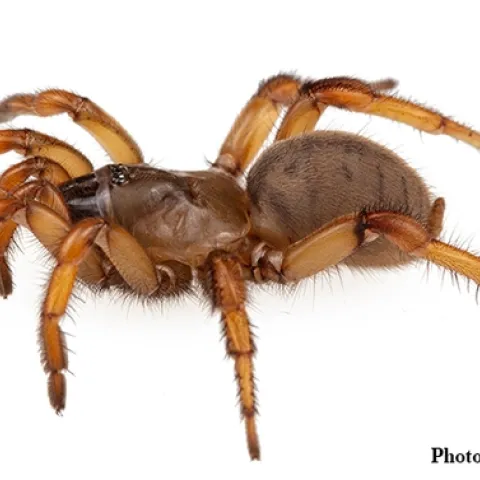
A trapdoor spider, Aptostichus sp., one of the species that Jason Bond studies. (Photo by Jason Bond)
Bug Squad: Article

Searching the California Floristic Province for Trapdoor Spiders

January 28, 2020
By Kathy Keatley Garvey
A UC Davis scientist has just received a federal grant to study trapdoor spiders in California, with opportunities for undergraduate students to participate in the research. Citizen scientists also can be involved through public sightings and suggestions for naming a newly discovered species.
View Article

ANR in the news Jan. 1-15, 2020

January 28, 2020
By Pamela S Kan-Rice
Five of the past six years have been the warmest in Bakersfield's recorded history (Bakersfield Californian) Steven Mayer, Jan. 15 Daniel Sumner, an ag economist at UC Davis, said researchers across the state are busy studying the changing patterns of California's Mediterranean climate.
View Article
Primary Image
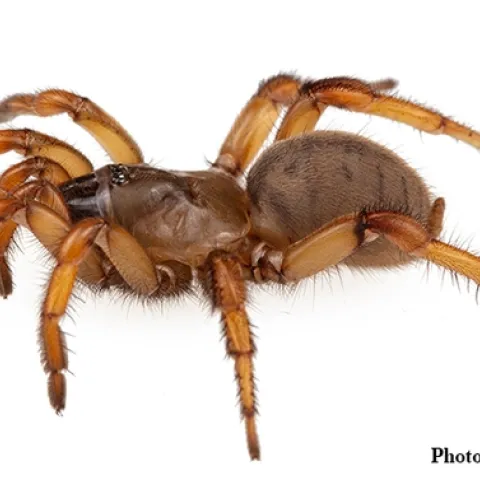
This is one of the trapdoor spiders, Aptostichus sp., that Jason Bond is studying. (Image by Jason Bond)
Entomology & Nematology News: Article

Tracking Down Trapdoor Spiders in California

January 28, 2020
By Kathy Keatley Garvey
Trapdoor spiders can hide, but not for long. Jason Bond, professor and the Schlinger Chair in Insect Systematics, UC Davis Department of Entomology and Nematology, has received a 4-year, $1.4 million National Science Foundation grant to study trapdoor spiders in the California Floristic Province.
View Article