A Natural Solution for California's Herds: African Catfish Peptides

California's cattle producers and agricultural communities are all too familiar with the rising challenge of antibiotic resistance, making common bacterial infections harder to treat in livestock. But imagine a future where we could tackle these infections with a natural, powerful alternative. Our research points to just that: antimicrobial peptides (AMPs) found in African catfish.

We're really excited about these peptides because African catfish thrive in pathogen-rich freshwater, naturally producing these robust immune compounds in their skin mucus as a defense. This natural origin makes them highly appealing alternatives to synthetic drugs.

Predicted Safety and Potent Action

One of the most compelling aspects of these AMPs is their predicted safety for mammals. Our initial computer analyses suggest that various catfish AMPs are generally recognized as safe (GRAS). We predict they'll be absorbed in the human intestine without causing liver, brain, or heart toxicity. Furthermore, lab tests on a promising peptide, NACAP-II, confirmed it was non-hemolytic, meaning it didn't damage rabbit red blood cells—a strong indicator of its potential safety for mammalian cells.

Beyond safety, these peptides demonstrate effectiveness against problematic bacteria. One study revealed NACAP-II's strong activity against Extended-Spectrum Beta-Lactamase (ESBL)-producing Escherichia coli—a critical concern for both animal and human health due to its resistance to many common antibiotics. Another peptide, ACAP-IV, also showed antibacterial activity against E. coli and Staphylococcus aureus. We believe these AMPs work by directly disrupting bacterial cell membranes, a mechanism that makes it harder for bacteria to develop resistance compared to how they resist traditional antibiotics.

Central Sierra Livestock & Natural Resources: Article

July 2019

July 3, 2019
In this issue: Managing Livestock Nutrition on Dry Forage. Fire season is upon us. Planning for planned power outages. Coccidiosis in Sheep and Goats. Sierra Harvest Land Match Program. Observations of Blue Oaks Needed. USDA will require RFID Brucellosis Tags.
View Article
Primary Image
photo by Erin Mahaney

More on Wild Onion

July 3, 2019
Seven years ago, I wrote a blog on wild onion, Allium triquetrum.[1] Since that time, I've learned that I actually have one type of wild onion in my yard and another plant that initially looks like wild onion or wild garlic, Nothoscordum gracile, but actually is not.
View Article
Primary Image
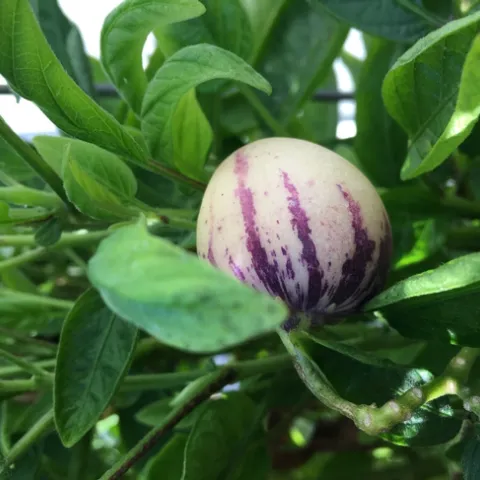
Pepino
UC Master Gardeners- Diggin' it in SLO: Article

Pepino Dulce

July 3, 2019
Pepino Dulce Common Name: Pepino Dulce or Pepino Melon Solanum muricatum Planting Zone: Sunset 15 and 16, 23 and 24 Size: 2-3 feet tall, spreading to about 4 feet wide.
View Article
Primary Image
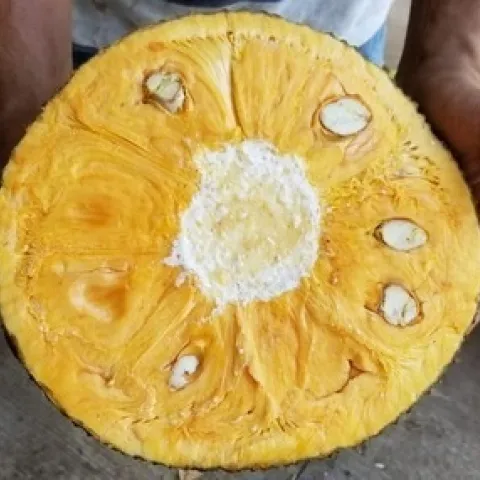
jackfruit slice

Can Home-Grown Jackfruit Make Money?

July 3, 2019
By Ben A Faber
In a recent article in Fresh Plaza, the flood of imported jackfruit is reported. As recently as 2 years ago, I saw jackfruit advertized on Amazon for nearly $10 a pound. These babies regularly weigh in at 10-20 pounds. In their homeland, they regularly clock in at 80 pounds and more.
View Article
Primary Image
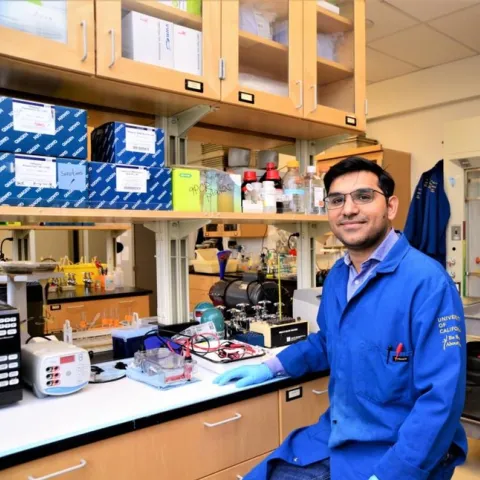
Shahid Masood Siddique, a new member of the UC Davis Department of Entomology and Nematology faculty, studies plant-parasitic nematodes. (Photo by Kathy Keatley Garvey)
Entomology & Nematology News: Article

Meet Shahid Masood Siddique, UC Davis Nematologist

July 2, 2019
By Kathy Keatley Garvey
Shahid Masood Siddique has never met a plant parasitic nematode he didn't like--to study, that is. Plant-parasitic nematodes are microscopic worms that extract water and nutrients from such host plants as wheat, soybeans, sugar beets and bananas.
View Article
Primary Image
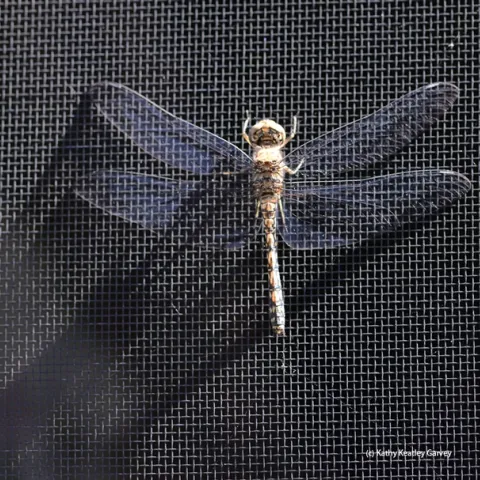
A female blue dasher, Pachydiplax longipennis, as identified by Greg Kareofelas of the Bohart Museum, warms itself on a window screen in the early morning. (Photo by Kathy Keatley Garvey)
Bug Squad: Article

The Joy of Dragonflies

July 2, 2019
By Kathy Keatley Garvey
If a dragonfly lands on your window screen and rests there for several hours, is that good luck? A female red rock skimmer, Paltothemis lineatipes, did just that. She was several feet from our fish pond and several yards from our pollinator garden. And inches from where we stood.
View Article
Monterey County: Article

Cauliflower Irrigation Field Trial

July 2, 2019
UC Cooperative Extension will host a field day at the USDA-ARS Spence research farm to show a field trial evaluating water use in drip irrigated cauliflower. This is an opportunity to see first-hand the effect of water management on cauliflower production under drip.
View Article