A Natural Solution for California's Herds: African Catfish Peptides

California's cattle producers and agricultural communities are all too familiar with the rising challenge of antibiotic resistance, making common bacterial infections harder to treat in livestock. But imagine a future where we could tackle these infections with a natural, powerful alternative. Our research points to just that: antimicrobial peptides (AMPs) found in African catfish.

We're really excited about these peptides because African catfish thrive in pathogen-rich freshwater, naturally producing these robust immune compounds in their skin mucus as a defense. This natural origin makes them highly appealing alternatives to synthetic drugs.

Predicted Safety and Potent Action

One of the most compelling aspects of these AMPs is their predicted safety for mammals. Our initial computer analyses suggest that various catfish AMPs are generally recognized as safe (GRAS). We predict they'll be absorbed in the human intestine without causing liver, brain, or heart toxicity. Furthermore, lab tests on a promising peptide, NACAP-II, confirmed it was non-hemolytic, meaning it didn't damage rabbit red blood cells—a strong indicator of its potential safety for mammalian cells.

Beyond safety, these peptides demonstrate effectiveness against problematic bacteria. One study revealed NACAP-II's strong activity against Extended-Spectrum Beta-Lactamase (ESBL)-producing Escherichia coli—a critical concern for both animal and human health due to its resistance to many common antibiotics. Another peptide, ACAP-IV, also showed antibacterial activity against E. coli and Staphylococcus aureus. We believe these AMPs work by directly disrupting bacterial cell membranes, a mechanism that makes it harder for bacteria to develop resistance compared to how they resist traditional antibiotics.
Primary Image
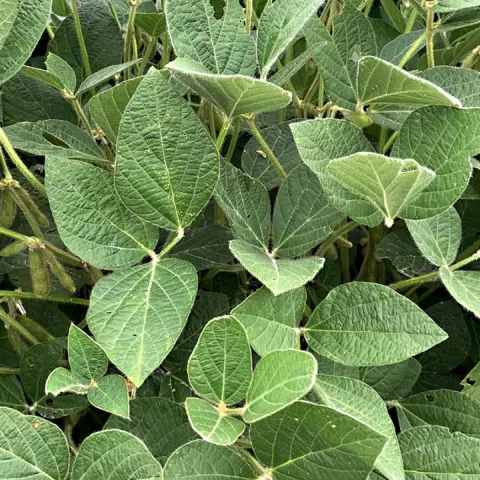
Soybean field. (Photo courtesy of Wikipedia)
Bug Squad: Article

An Insider's Perspective About Crop Production Product Development

April 22, 2025
By Kathy Keatley Garvey
 Bug Squad Blog By Kathy Keatley GarveyIf you're curious about crop protection product development, learn it from an insider.Jared P. Jensen, field research manager at SAN Agrow, will present a seminar hosted by the UC Davis Department of Entomology and Nematology (ENT), on Monday, April 28 on "Crop…
View Article
Event Primary Image
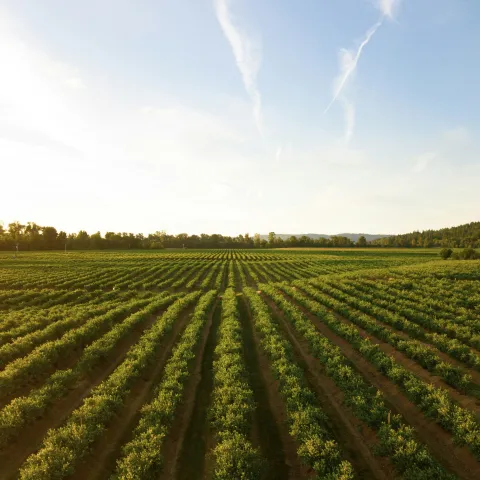
field
Cooperative Extension Ventura County: Event

3C-REN Agriculture Energy Solutions Lunch Webinar

Event Date
May 6, 2025

Join the Tri-County Regional Energy Network (3C-REN) for the official launch of the Agriculture Energy Solutions (AES) program—a free technical assistance program designed specifically for farmers and agricultural producers in Santa Barbara, San Luis Obispo, and Ventura counties.This one-hour informational…
Cooperative Extension Ventura County
View Event
Central Coast Rangeland Coalition: Page

The Conservation and Control of California Ground Squirrels

 April 27, 20258:30 am to 4:00 pmMartial Cottle Park, Edward Picnic Area A Valued Species and Pest on Rangelands  The California Ground Squirrel (Otospermophilus beecheyi) is a beneficial species and a pest on rangelands. While conservation of California Ground Squirrels is important on…
View Page
Thriving Forward: Article

Planning Ahead: Considerations for Recruiting Parent Volunteers

April 22, 2025
By Matthew R Rodriguez
Introduction Volunteers play an important role in youth development organizations, such as the 4-H program. In fact, without caring and nurturing volunteers, we would find it very difficult to have a thriving 4-H youth development program. Volunteers are vital to our collective success in supporting our…
View Article
Primary Image
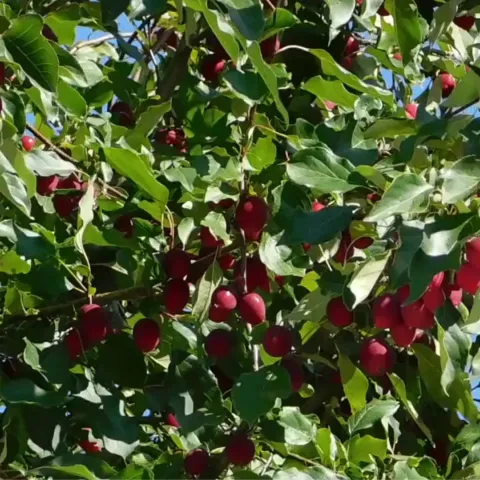
Apples on a tree
UC Master Gardener Program Statewide Blog: Article

Gardeners with Heart: Growing Fresh Food and Building Community

April 22, 2025
By Kristian M Salgado-Jacobo
  UC Master Gardeners are sharing their love for growing fresh fruits and vegetables, helping Californians discover and access local, healthy food across the state. From vibrant demonstration gardens in the low desert of Imperial County to the Bay Area region, volunteers are not only growing food…
View Article
Primary Image
 Field bindweed, a noxious weed in California has distinctive leaves and white flowers. Jeanette Alosi
The Real Dirt: Article

What Makes a Weed a Weed?

April 21, 2025
For many of us, gardening involves a constant battle with weeds. Basically, a weed is nothing more than a plant growing where it is not wanted, the classic example being dandelions in the lawn. But as the old saying goes, “One man’s trash is another man’s treasure,” and there are many “weeds” that are, in…
View Article