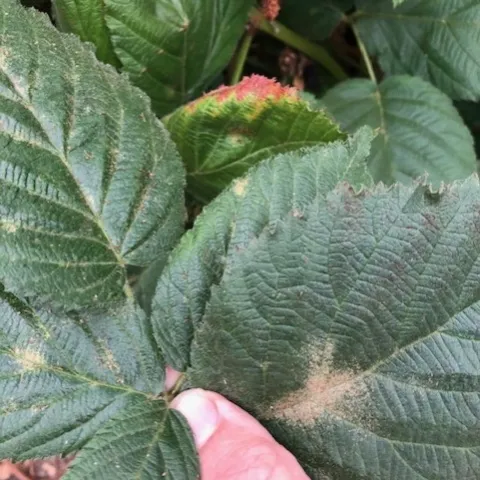
Here's one for all of you that I just can't figure out. Symptoms (see Photo 1 below) are on fruiting primocane blackberry, under tunnels. Maybe 5% of leaves affected, mostly limited to the bottom third of the hedgerow but issue does occur in bunches.
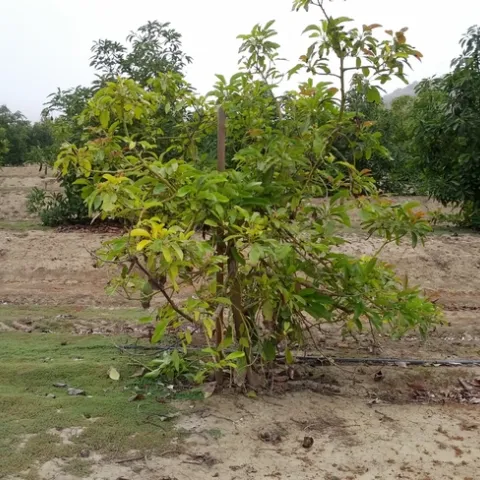
Because it is easier to correct a problem before you plant the trees than it is to diagnose and treat dying ones, which will probably be ripped out. A sad start to a tree is not a good ending.
This is one of a series of stories featuring a sampling of UC ANR academics whose work exemplifies the public value UC ANR brings to California. The coronavirus pandemic has disrupted life for everyone, with information about COVID-19 changing daily.
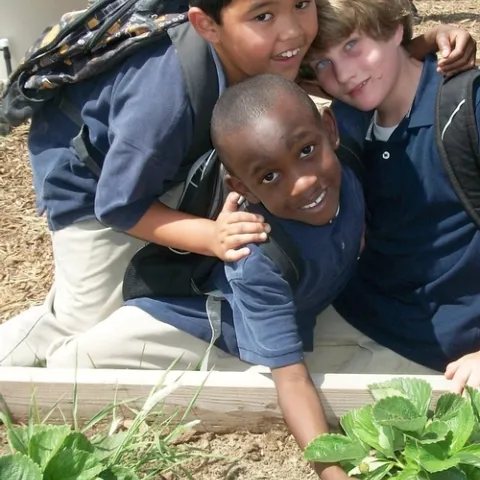
What do more than a dozen community and school garden organizers, members and directors of 15 non-profit boards, several K-12 teachers, a department chair from Loma Linda University a, retired USDA senior marketing manager, a sociologist, an anthropologist, a handful of IT and human resource manager...
ANR employees, along with other UC locations and thousands of other people across the US and beyond, are committing to deepening understanding of, and willingness to confront, racism for 21 consecutive days. Diversity scholar Eddie Moore, Jr.
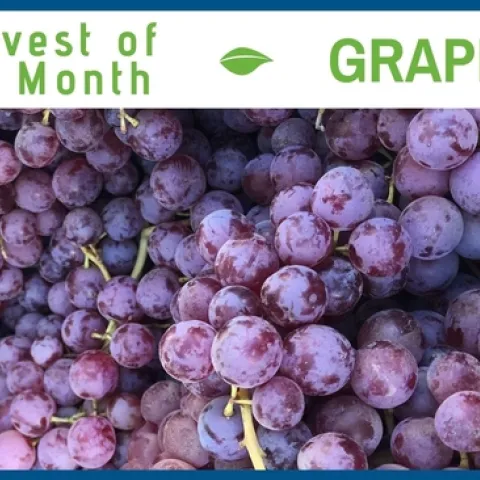
Few things signal the end of summer and the beginning of fall as clearly as grapes beginning to ripen. Many different varieties of grapes are available throughout the season in shades of green, red, purple, and some dark enough to be considered black.
Please join John Karlik for a Zoom Meeting with Travel Gallery Topic: Horticulture Zoom - Oxford, Salisbury, Stonehenge Time: Thursday, September 3, 2020 at 4:30pm See attached for details!...
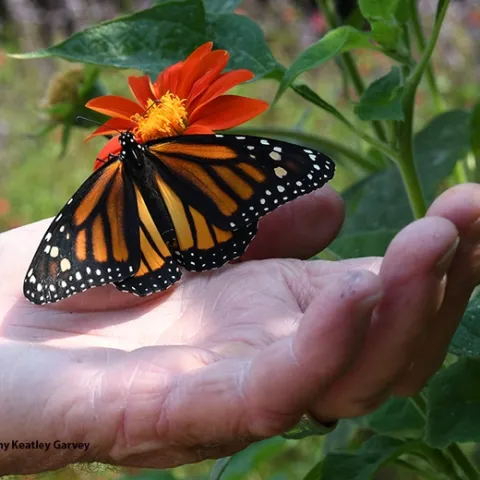
Welcome to the world of monarchs, Greta! We don't normally name the monarch butterflies we rear, but we decided that the first one reared from an egg "The Greg Way" would be named for Greg--naturalist Greg Kareofelas, associate at the Bohart Museum of Entomology, UC Davis.
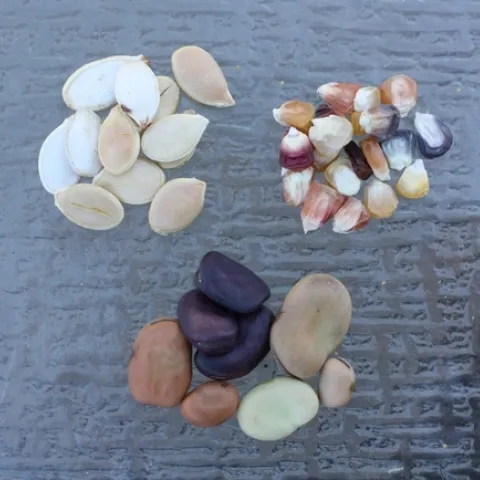
Aunt Molly's ground cherry. Moon and Stars watermelon. Country Gentleman corn. Each of these varieties began with landrace seeds, which were genetically diverse and much more adaptable than any of their inbred heirloom progeny.