
In the natural world, tiny insects can have an outsized impact. Usually, that impact is good, but sometimes insects create chaos.
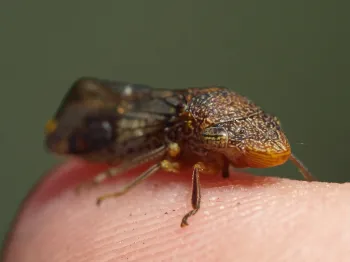
Today we’re waging a new war on an old foe: the glassy-winged sharpshooter (Homalodisca vitripennis). Despite its charming name, this pest is a proven enemy. A half-inch-long leafhopper native to the southeastern US and northern Mexico, it has been creating problems in California for three decades.
This insect isn’t much of a looker. It has a flat triangular head and large eyes, all of which blend perfectly with twigs and branches. The females lay egg masses in groups of 8 to 12 eggs on the underside of leaves.
The glassy-winged sharpshooter isn’t picky about where it lives or what it eats. It’s found in agricultural crops, woodlands, watery settings, and home gardens. It feeds on hundreds of familiar plants, including grapes, citrus, crepe myrtle, pittosporum, and dozens more.
This pest makes a mess
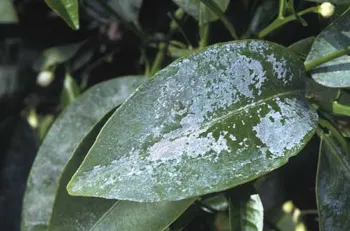
A voracious drinker, it sinks its needle-like mouthparts, called a proboscis, into plants and extracts massive quantities of water – up to 300 times its body weight every day. Then it expels a non-stop flow of watery waste often described as rain that gives leaves and fruit a whitewashed appearance. And as it evaporates – on patio furniture, your kids’ playhouse, or anything else below -- it leaves a sticky residue behind.
This resulting exudate or excreta is not always damaging, but come on. Would you want a gummy coating of insect excrement covering your potted plants or car parked under a tree? I didn’t think so.
But that’s not even the problem.
And it kills grapevines
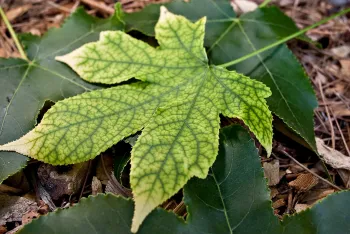
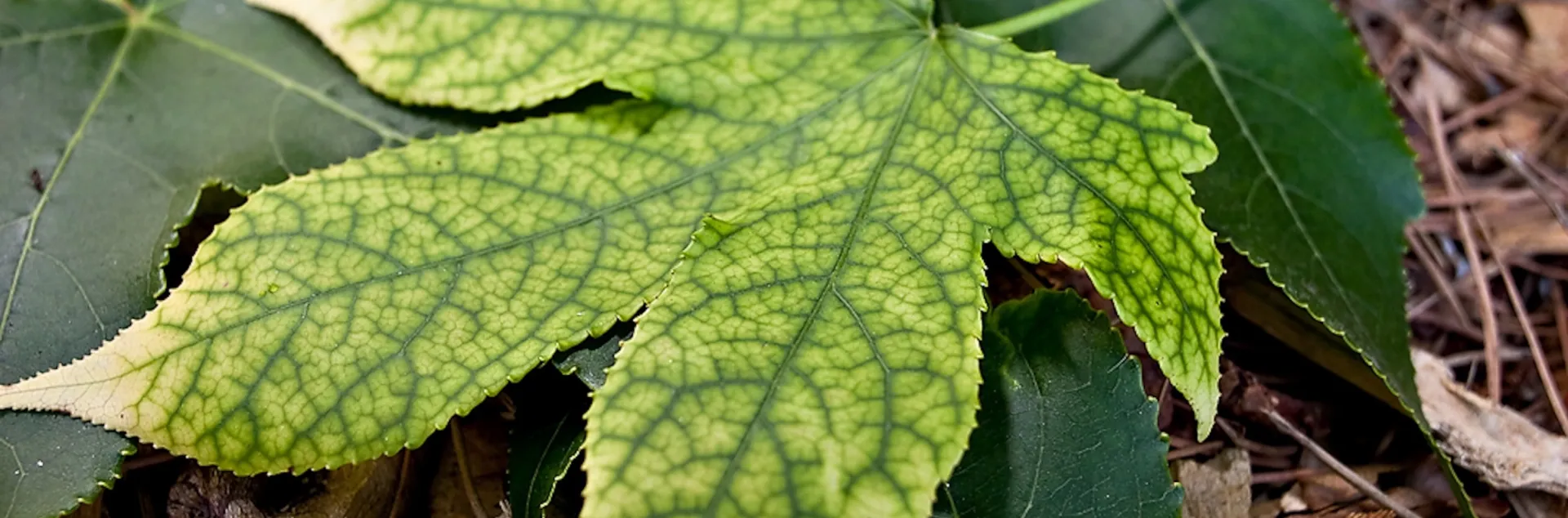
The real problem occurs when the glassy-winged sharpshooter feeds on grapevines. Why? Because it transmits a lethal bacterium called Xylella fastidiosa that causes Pierce’s disease, which kills grapevines in three to five years. There is no cure.
Symptoms include delayed bud break, scorched leaves, and reduced yield. Other crops, such as almonds, citrus, and stone fruit, can be negatively affected by Pierce’s disease, but it is always fatal for grapes.
The glassy-winged sharpshooter was first reported in California in 1994. By 2002, it had infested more than 1,100 acres of grapevines. According to the US Department of Agriculture, Pierce’s disease costs California’s grape industry over $100 million per year.
This is way beyond your favorite bottle of chardonnay going up in price. California’s 9,000 wine producers oversee $73 billion in annual economic activity. Table, raisin, and wine grape growers in California tend 658,000 acres of vineyards. These growers and wine makers create 846,000 jobs. Vineyards and wineries are beloved tourist destinations, as we can attest, being neighbors to world-famous Napa and Sonoma Counties.
Farmers use biological controls to combat this pest, such as introducing wasps that parasitize the eggs or spiders and bugs that eat the sharpshooters.
Please help
Recently, glassy-winged sharpshooters were found on grapevines sold at Costco. If you purchased one, please don’t throw it away or return it. Instead, seal the plant in its original pot inside two garbage bags and call your county Ag Commissioner to have the plant destroyed. In Marin County, the number is 415-473-7888.
To search for these pests in your garden, focus on the area six to twelve inches from the tips of new shoots. Use yellow sticky traps, available at nurseries and online. Avoid pesticides, which can kill the beneficial insects that eat these pests.
Remember: one infested plant in your garden could allow the glassy-winged sharpshooter to spread. Please help our farmers by staying vigilant.
By Marie Narlock, June 20, 2026