
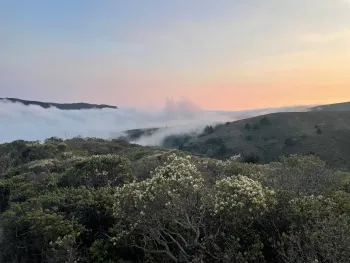
Marin County sits on the doorstep of many of California’s natural wonders: giant Coastal Redwoods, the peaks of Mount Tam, the San Francisco Bay with its boggy marshes, and the Pacific Ocean unfurling towards the horizon. While many of us chose to live in Marin precisely because of these natural elements, it makes gardening here challenging – or downright mystifying. Depending on the climate zone, microclimate, and aspect of your home, you might find yourself struggling with fog, damp, and sometimes dead (or underperforming) plants.
We live in one of the world’s five Mediterranean climate zones, which miraculously produces 20% of the world’s plant species, while taking up only 2% of the Earth’s landmass. Mediterranean climates have cool and wet winters that rarely freeze, long, dry summers, and frequent fog (especially near the coast).
But understanding climate alone is not enough to succeed as a Marin gardener. Start by understanding the specific Hardiness Zone of your sub-region (you can find this by entering your ZIP code into the USDA Plant Hardiness Zone calculator). Hardiness zones are based on the average annual minimum temperature and can serve as shorthand for selecting plants. Most of Marin sits between Zones 9-10, but the small nuances matter!
Next, go a step deeper and think about the unique microclimate of your yard. The positioning of your garden, the slope, and surrounding trees can all contribute to gardening challenges: lack of sunlight, cold pockets, wind exposure, or dampness. Southern-facing areas will get the most sun (and have success with sun-loving plants), while northern exposure will be generally shadier, cooler and more moist. Other elements like overhangs, hedges or adjoining houses can create additional shade pockets or cold air traps.
If you are set on a vegetable or flower garden, take the time to observe your garden across various seasons, when the sun, fog, and rain patterns emerge. Notice which areas get the most sun exposure, and how this changes seasonally. After a similar analysis of my own garden, we chose to place our vegetable beds and fruit trees at the very bottom of our yard – unfortunately, furthest away from our house. Despite a long stroll to harvest, the patch of sunlight enables us to grow berries, fruit, and vegetables that would not be possible elsewhere.
For any serious gardener in the Bay Area, I always recommend Pam Pierce’s book, Golden Gate Gardener. In it, she breaks down the nuances of various microclimates throughout the Bay Area, and offers some real talk about what’s possible to grow in your own particular location. Below are some personal discoveries that I’ve made gardening in the fog–and occasional bouts of sun.
Embrace your inner lettuce farmer: Kale grows year round in Marin, and thrives in less sunny conditions, despite some bouts of powdery mildew. If you’re short on sun, use it to your advantage and grow lettuce, kale and other brassicas. Use a cut and come again harvest method (pull leaves from the outside, rather than cutting off the whole head), and a single plant can last weeks or even months.
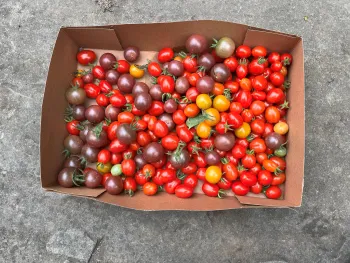
Find your Nightshades: Tomatoes, eggplants and other nightshade vegetables are notoriously difficult to grow in shady conditions. I’ve found that cherry tomatoes keep their flavor and texture, while classic heirloom and beefsteak varieties don’t ripen as desired. Expect a late harvest – tomatoes in October? Why not!
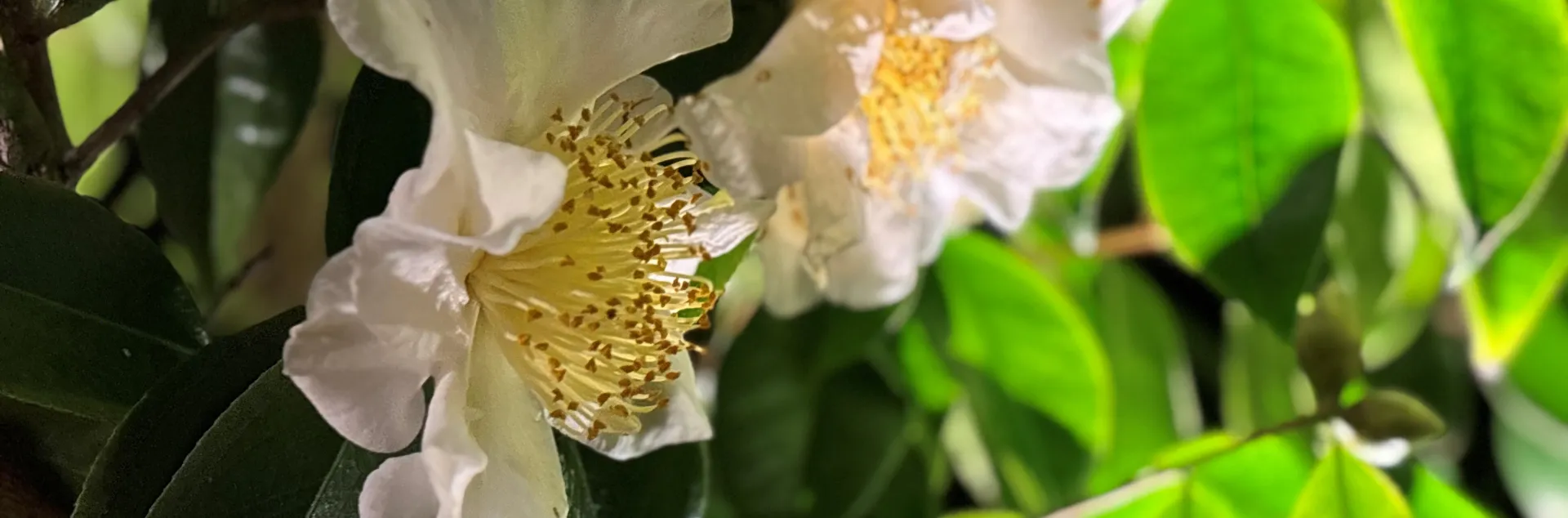
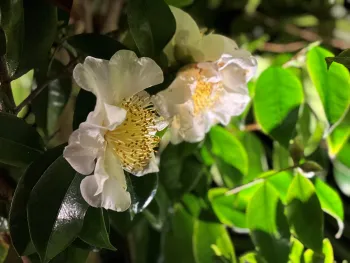
Welcome shade-loving flowers: We all love our zinnias and dahlias, but there are tons of shade-loving flowers as well. Many varieties of Camellia, Hydrangea, and Rhododendron are happy in the shade, and come back year after year. Or choose from beautiful natives like pink flowering currant (Ribes sanguineum glutinosum), california buttercup (Ranunculus californicus), or native strawberry (Fragaria vesca) to create a flowering groundcover in your garden.
When gardening in the fog, remember the phrase “Right plant, right place”. Adapting is what makes gardening fun, and you’ll be pleasantly pleased with the results!
By Anna Hartley-Simon, July 18, 2026