
Project Board Help

Test PB Collection: FTE

Test dynamic

Primary Image
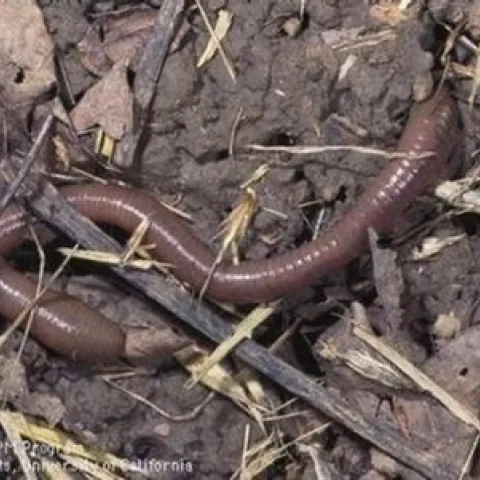
Photo of a garden earthworm
HOrT COCO-UC Master Gardener Program of Contra Costa: Article

How Many Earthworms are Enough?

March 25, 2024
By Help Desk Team
Perhaps you've seen them. You're digging into the soil to plant something and as you dig you run across a few earthworms. Most of us have heard from childhood that worms are good for the soil.
View Article
Primary Image
photos by Michelle Krespi
Under the Solano Sun: Article

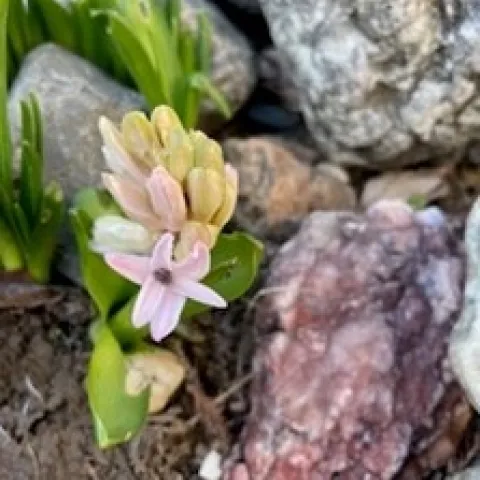
Common Hyacinth-The Original

March 25, 2024
As I walked through the garden yesterday, shooting out between the rocks was a pretty light pink flower I hadn't seen before.
View Article
Primary Image
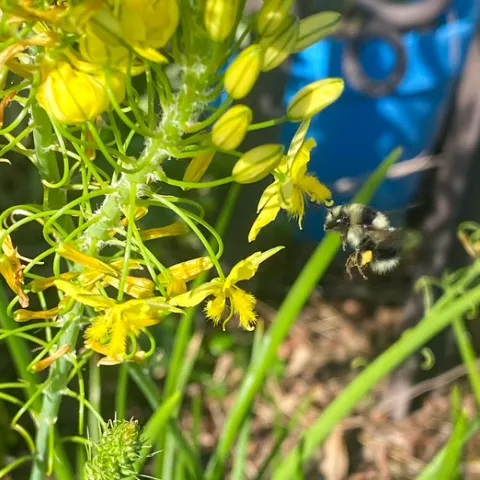
American bumblebee feeding on Bulbine bullbosa suculent.
The Savvy Sage: Article

Celebrating the Bumblebees

March 25, 2024
Every spring, I wish for some bumble bees to come to my garden and hang out around it. This year, finally, my wish came true. I've been seeing some little fuzzy guys hanging out by this Bulbine bulbosa succulent plant that produces yellow flowers.
View Article
Primary Image
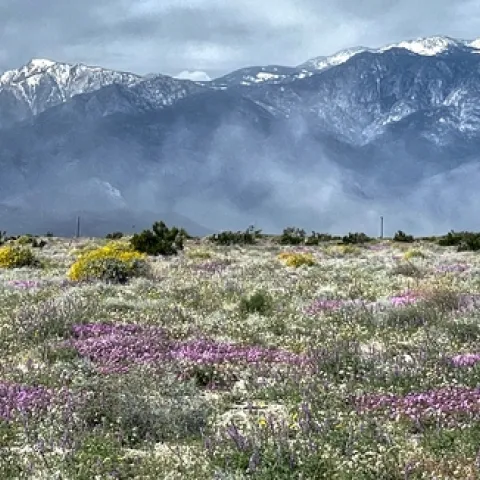
Desert in Bloom
Spill the Beans: Article

California Desert in Bloom

March 24, 2024
How a quick detour became a highlight of our trip to the Coachella Valley Indian Wells Tennis Tournament. Indian Wells in March is a veritable paradise of 75-80 weather, blooming citrus trees, an effortless blend of thriving Mediterranean and desert plants and world class tennis.
View Article

April 2024: The Importance of Soil Testing

Primary Image
Garden soil can look healthy and still be lacking in nutrients essential for optimum plant growth
Body

Soil Test 1
The soil in the Edible Demo Garden gets a lot of attention. Compost and organic amendments are added regularly. Moisture levels are monitored, and rainwater is supplemented with drip irrigation and hand watering. Mulch and cover crops are used to protect the soil and tilling is kept at a minimum. The goal of these efforts is to maintain the structure and composition of the soil so that the growing plants have access to the air, water, and nourishment they need.

However, soil can look and feel healthy, and still be lacking nutrients essential for optimum plant growth. Plants suffering from malnutrition look unhealthy and show symptoms of deficiency. Growth may be stunted, leaves may be chlorotic (yellowed) or distorted, and shoots appear short and thin. Too little or too much of any one nutrient can cause problems. The best way to check for a lack of nutrients in the soil is to test a sample.


How are the nutrient components of soil tested?

Soil Test 2
Inexpensive do-it-yourself soil test kits are readily available in garden centers, and they can be a convenient way to determine soil pH and levels of the primary macronutrients: nitrogen, phosphorus, and potassium. More comprehensive tests which cover secondary macronutrients and micronutrients, can be performed by commercial soil testing laboratories.

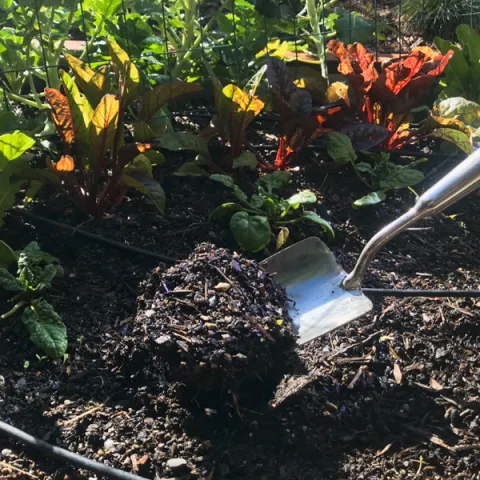
Any soil test should start with a carefully collected soil sample. Use a stainless-steel trowel or shovel to obtain a sample at least six to eight inches below the soil surface. Avoid wet soil, if possible, the sample needs to be dry for testing. Taking samples from several places in a garden bed and mixing them can be useful in measuring overall chemical properties. However, samples from different garden areas (vegetable, perennial, lawn, etc.) should be kept separate. Soil testing laboratories generally provide specific instructions on sample collection.


Why does soil pH matter?

Nutritional elements in the soil need to be in a soluble chemical form to be absorbed by plant roots. There must be sufficient moisture in the soil to allow the roots to take up and transport the nutrients. The temperature of the soil also needs to fall within a certain range for uptake to occur. Finally, the solubility of the nutritional elements and the activity of the microorganisms responsible for the chemical transformation of nutrients are directly influenced by soil pH.  An essential nutrient can be present in the soil, but not in a form the plant can use. Each nutrient has an ideal pH range for plant availability. At pH levels that are too acidic or alkaline, some nutrients can become insoluble and not accessible to plant roots. Phosphorus, calcium, and magnesium are elements that become less accessible as soil increases in acidity, while the availability of iron, zinc, and manganese is reduced in more alkaline soils. The ideal pH for most plants is between 5.5 and 7.5.


What nutrients are commonly lacking in soil?

Soil Test 3
The nutrient most commonly lacking in garden soils is nitrogen. Most plants absorb nitrogen in the form of ammonium or nitrate. These forms readily dissolve in water and leach away. Excessive irrigation and heavy rains can lead to nitrogen deficiency in the soil. Phosphorus, potassium, calcium, magnesium, and sulfur are the other macronutrients that may be deficient, depending on drainage and pH levels. A lack of iron, zinc, or manganese, all considered micronutrients, results in interveinal chlorosis, a condition in which the leaf veins remain green while the rest of the leaf turns yellow. The uptake of these micronutrients is also affected by pH.


For more information on assessing soil health, click here.

For hands-on practice in soil testing come to the workshop co-sponsored by the Edible Demo Garden and the Edibles Guild. Click here to register.

UC Marin Master Gardeners
The Backyard Gardener: Article

Sterilize Your Seed-Starting Soil

March 23, 2024
Are you getting ready to start some seeds for your spring and summer gardens? Maybe you have some seed starting mix leftover from previous years.
View Article
Primary Image
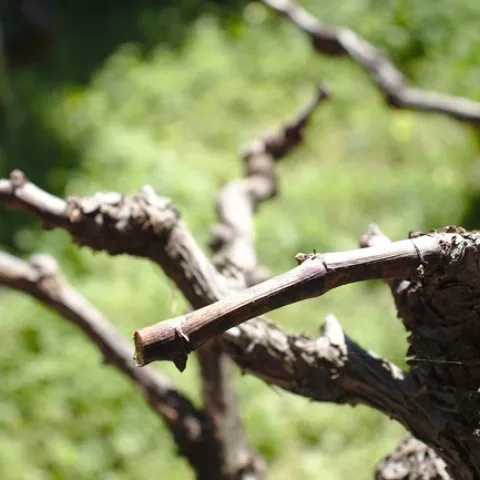
vine-4819683 1280
Napa Master Gardener Column: Article

Give Your Vines a Hair Cut

March 23, 2024
Grapevines in Napa Valley are breaking their dormancy after enjoying their winter nap. If you haven't done so already, get out your pruning shears, sharpen them, and make sure they are functioning properly. Grapevines need a haircut now to be at their best in 2024.
View Article
Primary Image
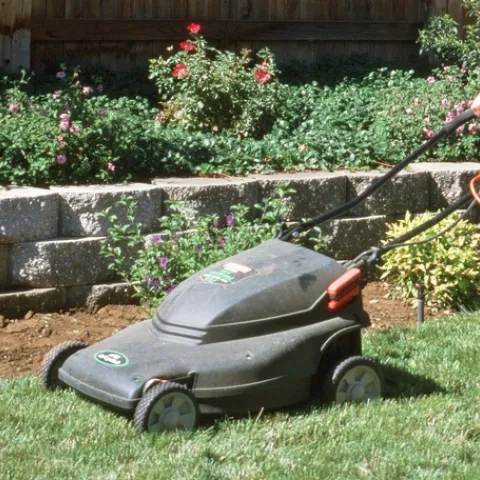
Mowing the lawn without a bag attached to the mower.
Fresno Gardening Green: Article

This week in the garden: March 22 - 28

March 22, 2024
As spring unfolds, take time to enjoy the fruits of your labor. My garden is my most beautiful masterpiece ~ Claude Monet Tasks Compost weed-free grass clippings and other thorn and disease-free garden waste. Better yet, start a grasscycling program for an existing lawn. Pruning Shape hedges.
View Article