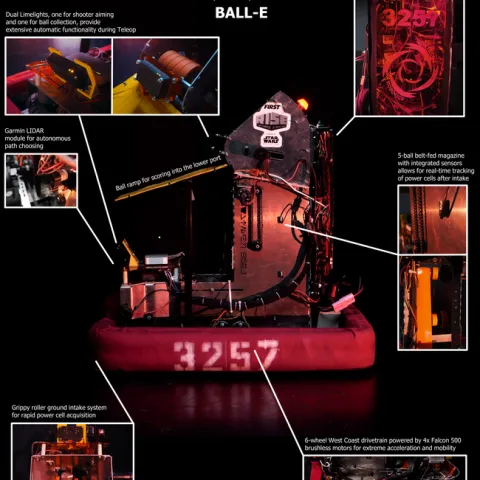
Vortechs Robotics (FRC team 3257) won the 2021 FIRST Infinite Recharge Sacramento Valley, Phosphorus Regional. Additionally, the team won an award for its robot's autonomous capabilities (Autonomous is where the robot is driverless and completes certain tasks using its programing and sensors).
For the safety and well-being of the entire university community, UC has proposed a COVID-19 vaccination policy. This policy will require, with few exceptions, that all students, faculty and staff be vaccinated against the COVID-19 virus.
Please see below link to access "How To Use Weekly Crop Water Use (ET) Reports to Assist Farm Water Management" How To Use Weekly Crop Water Use Report Please see below link to access "Weekly ET Report 07-12-2021" ET Report 07-12-2021 Please see disclaimer link below: University of California Divisi...
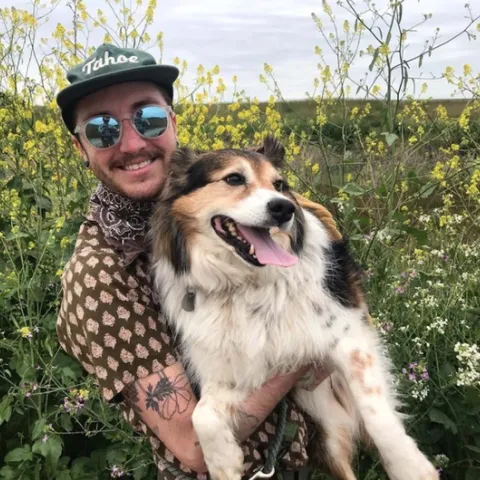
Community ecologist and UC Davis doctoral alumnus Ash Zemenick, the newly selected manager of Sagehen Creek Field Station in Sierra Nevada, part of the University of California Natural Reserve System (NRS), is home--home among the flora and fauna that encompass the ecosystems and the researchers who...
I had a friend, a former local businessman, share with me in the course of a conversation how much he valued that my meetings are consistently now being run on time. I couldn't have agreed with him more, and share some of our thoughts below.
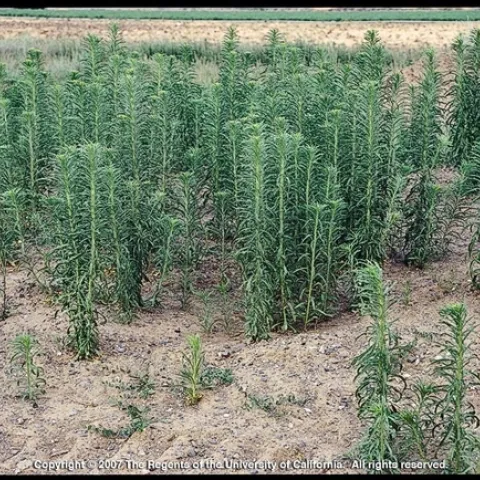
California has abundant wildlands forests, rangeland, open areas, wildlife refuges and national, state, and local parks that need protection from invasive plants.
Resistance-breaking tomato spotted wilt virus has been identified in Northern Counties and Contra Costa and San Joaquin Counties. Click for more information.
Marie Jasieniuk is a professor with the Dept. of Plant Sciences at UC Davis. A major pathway of introduction of non-native invasive plants into new geographical areas is the global horticultural trade in ornamental plants.
The state budget signed by Governor Newsom Monday night [July 12] includes a historic increase for the University of California Agriculture and Natural Resources.