When you picture an elephant in your mind do you see a cartoon elephant, a real elephant, or do you picture a stuffed animal elephant? On Saturday November 7th, Placer County and Nevada County 4-H held a virtual Bi-County Club Officer Training.
Thanksgiving is upon us. This recipe has layers of flavor and texture and has become a family favorite at least among the family members who aren't die-hard canned jellied cranberry sauce fans. The recipe below is as-printed and was clipped from the Florida Today newspaper many years ago.
Nearly half of young children in the United States participate in licensed child care settings, where they can consume up to two-thirds of their daily dietary intake. Thus, these are important settings in which young children are provided beverages that support their health.
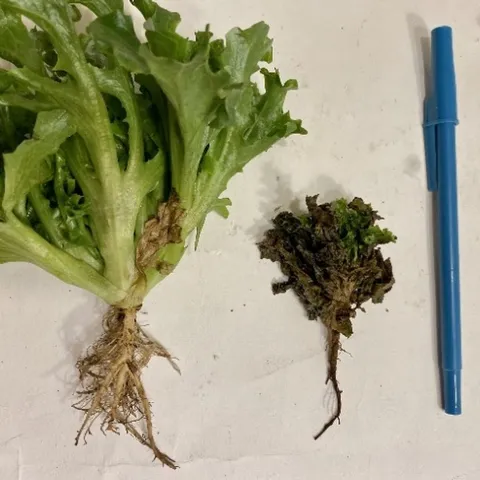
Strategies to Control Pythium Wilt of Lettuce Author: Richard Smith and JP Dundore-Arias Farm Advisor, UCCE Monterey; and Plant Pathology Professor, Cal State Monterey Bay In 2020 Pythium wilt of lettuce (Pythium uncinulatum) caused up to 100% yield loss in some fields in the Salinas Valley.
Everyone has heard of Black Friday and Cyber Monday. But have you heard of Giving Tuesday? This is a time when you can support our program, which offers its services at no cost, connecting concerned citizens and home gardeners to research and information directly from the University of California.
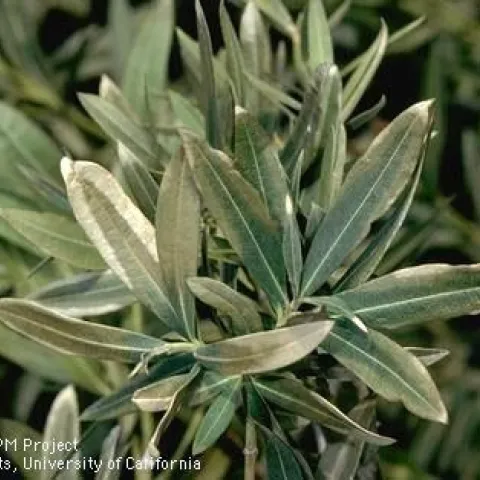
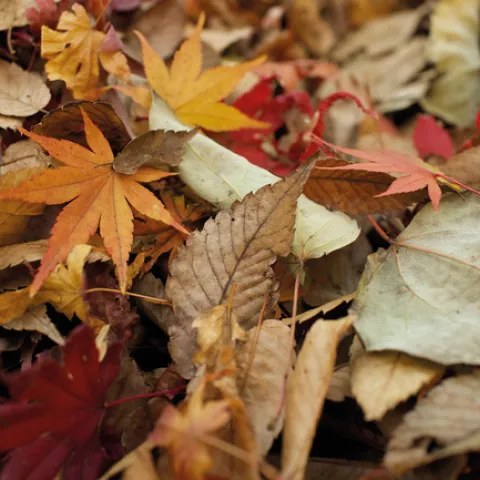
With the recent time change along with a change in temperatures, landscaping practices for pests need some adjusting too. We're sharing a few recommended tasks to help prevent insect pests, diseases, and environmental disorders in landscapes.
by Penny Pawl, UC Master Gardener of Napa County According to a long-term forecast I heard recently, we may not see substantial rain until April and could be facing drought by summer. With that possibility in mind, you can take steps now to help your plants survive.
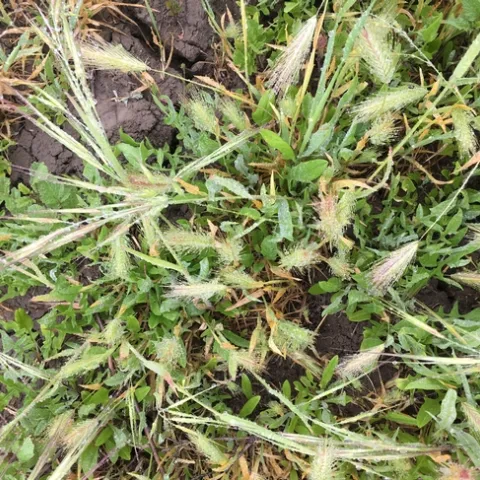
The San Benito County Weed Management Area is hosting their 19th Annual Continuing Education Seminar for Ranchers on Thursday, December 3 from 8:00 am to 11:40 am. 2.5 hours of pesticide continuing education credit (including 0.