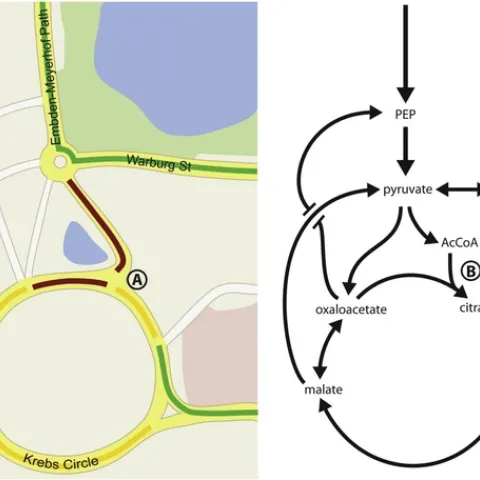
Scientists are closer to gaining the upper hand on a disease that has wiped out citrus orchards across the globe. New models of the bacterium linked to the disease reveal control methods that were previously unavailable. Metabolic models of organisms are like road maps of cities.
August 16, 2020 Announcing the webinar, Healthy Soils for Healthy Profits - How do we get to $2.50/lb cotton in the SJV? slated for September 17, 2020 from 9:00 AM to Noon. Registration is now open at: https://ucanr.
Field trials in the Central Valley with two new varieties of blackeye beans, CB74 and CB77, show impressive resistance to cowpea aphids compared to standard CB46, CB5, and CB50 lines.
A gardener struggling to use mountains of zucchini is almost a meme in the gardening community, so it's very humbling to have to tell people you can't grow itkinda makes you look like a grade down from a Master Gardener! And even though I know my conditions are extreme out here at the edge of the Vo...
Dear Members of the Monterey County 4-H Leaders Council, On Tuesday, August 18th, the 4-H Leaders Council will hold its monthly meeting at 7pm. The location will be a ZOOM meeting. See link below. All 4-H families are invited to attend and take part in the councils discussion and planning.
By Denise Seghesio Levine, U.C. Master Gardener of Napa County Even if you are busy harvesting and giving away zucchini, picking tomatoes for salads and sauces and preserving summer's sweet fruits for winter treats, it is time to take a break and plan next year's garden.
CalFresh Healthy Living, UC and its UC Cooperative Extension community educators work in schools and community settings to give low-income children and families the opportunities and resources they need to eat right, stay active and lead healthy lives.
If you're a praying mantis, it's important to start the day out right by meditating, praying, and exercising. Close your eyes and slow your breathing. Be grateful for what you have, not what you want. But it's permissible to dream big, as in a Megachile pluto instead of a Perdita minima.
Berkeley, California made history by passing the nation's first sugar-sweetened beverage (SSB) tax paid by beverage distributors in 2014, which garnered unanimous support from City Council and 76% of the vote in a public referendum.