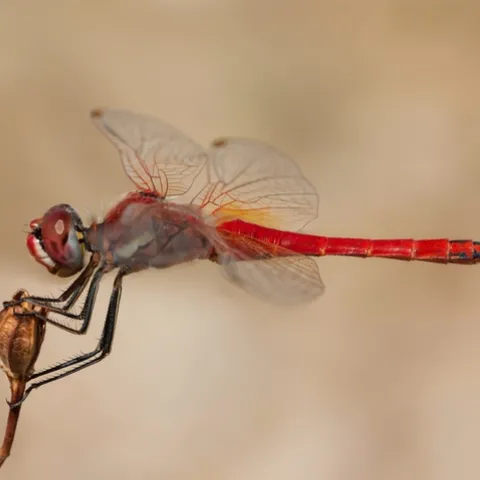
Beyond the Honey Bee About 75% of all flowering plants rely on animal pollinators. Most pollinators (about 200,000 species) are beneficial insects such as honey bees, native bees, butterflies, moths, flies and beetles. As the saying goes, if you build it, they will come.
In this blog series, Dr. Annemiek Schilder, Director, UCCE Ventura County and Hansen Agricultural Research and Extension Center, shares her observations about the natural world across the seasons. As she says: "Gently observing your surroundings with curiosity will teach you some amazing things.
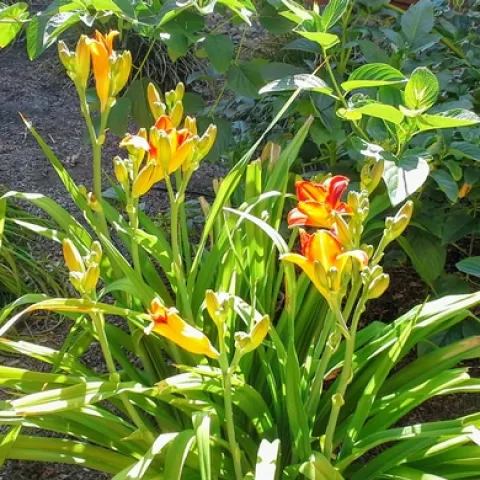
by Melody Kendall Years before gardening became a priority, I purchased some daylilies on a whim. We had just constructed a retaining wall along the back of our lot and we needed something to fill the new shelf of soil.
The University of California is committed to maintaining the highest standards of conduct in the fulfillment of its education, research, public service and patient care mission.
The Nutrition Policy Institute and the Berkeley Food Institute have developed resources in English and Spanish for UC Cooperative Extension advisors and county directors to provide to community members.
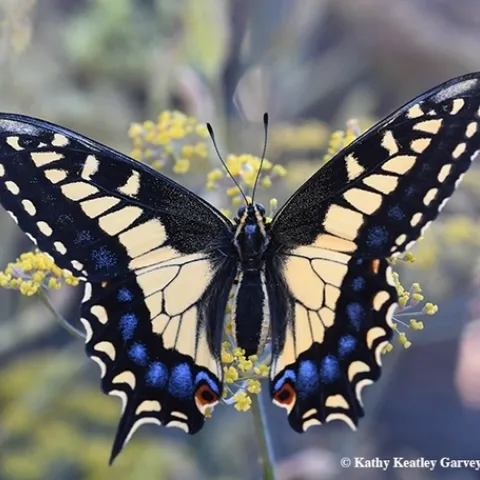
It is indeed a lovely beast, as lepidopterist Art Shapiro, UC Davis distinguished professor of evolution and ecology, says. Ann Sievers, owner, grower and miller of Il Fiorello Olive Oil Co.
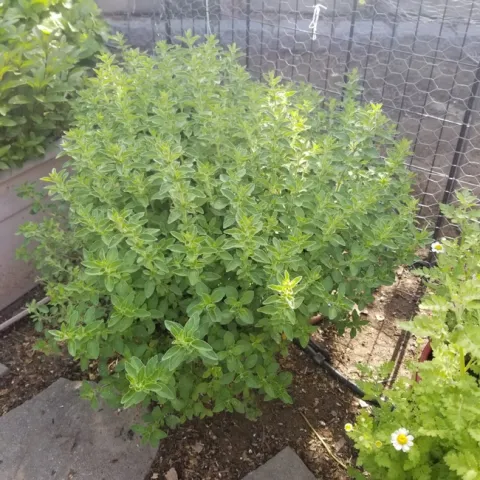
Imagine yourself walking out to your garden or patio and being greeted by a spicy fragrance. All around you are pots and containers filled with culinary herbs such as fresh thyme, oregano, and basil.
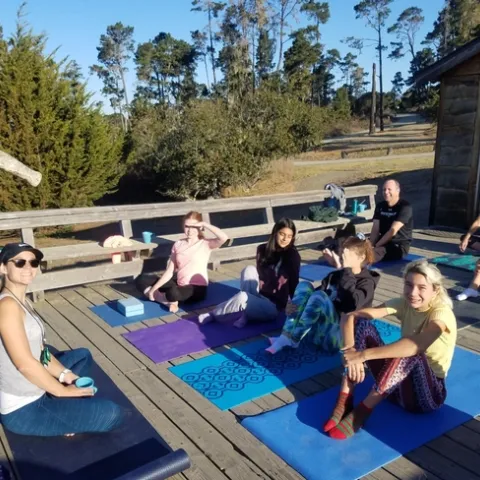
The California 4-H Mindfulness Retreat by Claire B., Santa Rosa Valley 4-H The California 4-H offers a Mindfulness Retreat each year in Cambria at Camp Ocean Pines. The goal of the retreat for members to develop their health and learn strategies to practice mindfulness.