
The aroma of plants can be uplifting. Our gardens are oftentimes a calming and serene presence in the midst of our busy world. As a further enhancement, consider adding another note by adding some fragrant plants to soothe your senses. For instance, a handful of crushed Grosso Lavender can provide a calming effect (Grosso is the variety used for essential oil). Nutmeg Geranium can lift your spirits.
To start your fragrant garden, choose a nursery that stocks old-fashioned varieties. New hybrid varieties often lack fragrance. This is particularly true with roses.
In planning for your garden, you may want to start small. In a sunny area of your patio, you could plant Lavender, a Dwarf Rosemary, or a Miniature Rose.
In a part-shade area of the garden or the patio, a plant suggestion might be Dwarf Gardenia, scented Pelargonium, or Sweet Alyssum.
You may want to plant Mint in containers on your patio. Be careful where you plant Mint in your garden, because it can easily spread and take over if not contained. However, it is one of the most fragrant plants.
The evenings in the Central Valley are such a lovely time after the burning heat of the day. Some plants that will accentuate night-scented air are the Night Blooming Jasmine, Moonflower, and Morning Glory. Among the best night-opening flowers are the lemon-scented Evening Primrose and the Sweet White Tobacco. An ideal location for a night garden is near an outdoor living area, where the scents can waft over in the cooler evening air.
Several Trees can give off beautiful scents. The saucer magnolia is a small, compact, easy-to-care-for deciduous tree or large bush with abundant fragrant tulip-shaped blooms in early spring. Flower colors can range from pink and white to yellow to deep purple, depending on the variety. The Southern magnolia blooms later and longer, producing big creamy-white lemon-scented flowers during the summer months. The Japanese mock orange is a small tree that has a delicious citrus scent in the spring. And of course, all citrus trees have intoxicating blooms in the spring. The ideal time to plant trees is fall, so they can establish roots and become settled before the harsh heat and sun of summer, so consider adding one of these fragrant trees to your yard this fall.
In designing your larger garden, you could create narrow pathways lined with Thyme and Geraniums. Wider paths could be lined with Lavender, Rosemary, or Pineapple Sage. Brushing against these plants as you take a stroll will release their heady fragrance. You can also place fragrant plants near doorways or seating for enjoyment.
To care for your potting garden, use pots that drain well, high-quality potting soil, and slow-release fertilizer. Make sure pots have drainage holes. Water deeply, but infrequently. Prune to keep plants compact.
Most herbs are very fragrant, especially Rosemary and Mint. Harvest herbs midmorning for the strongest scent. For maximum scent, cluster pots or plants together.
Fragrant Plant list:
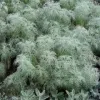 Artemisia (Sage Brush) | 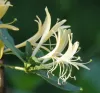 Honeysuckle | 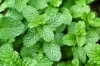 Mint |
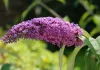 Buddleia (Butterfly Bush) | 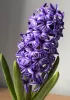 Hyacinth | 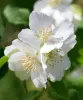 Mock Orange |
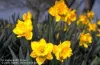 Daffodils | 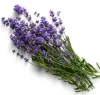 Lavender | 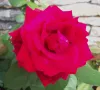 Rose |
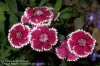 Dianthus | 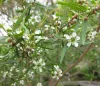 Lemon Scented Tea Tree | 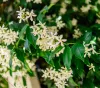 Star Jasmine |
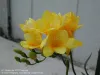 Freesia | 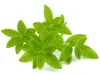 Lemon Scented Verbena | 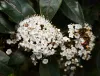 Viburnum |
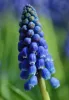 Grape Hyacinth | 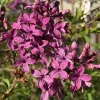 Lilac | 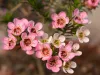 Wax flower |
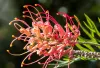 Grevillea | 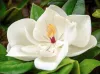 Magnolia |
Another benefit to many fragrant plants (especially herbs) is that many are Mediterranean-type plants that grow easily in our climate. In addition to their refreshing aroma, fragrant plants can attract pollinators, butterflies, and hummingbirds; add color and texture; and have an uplifting effect on mood, which helps to reduce stress and promote relaxation. Plant a few and enjoy the scents!