
July is historically our hottest and driest month. Keep things easy on both you and the garden. Work in the mornings, stay hydrated, and ease off the pruning and fertilizing. July is a great month to plan for autumn and do whatever preparation you can for creating a more water-efficient, California-style garden.
PLANTING
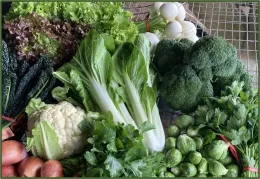
July is a great time to start seeds for fall-harvested vegetables like broccoli, cauliflower, chard, kale, and cabbage. Make sure you have a way to keep those
tender seedlings well-watered. Seed starting in summer also requires more management of insect pests like snails, slugs, and earwigs. You can start seeds in containers for later transplanting, but make sure you have a place with adequate light to avoid weak plants. Brush your hands lightly over seedlings to help keep them stout and sturdy, or set up a little fan nearby so they get a gentle breeze.
Plant heat-loving annuals like marigolds, sunflowers, and zinnias. Edibles to plant include tomato, basil, and artichoke from well-developed seedlings. From seed, plant corn, winter and summer squash, radish, peas, bulb, and green onion.
Avoid planting most ornamental plants in July. Instead, use your water to keep the vegetable garden, orchard, and existing plants (especially trees) healthy. Warm-season ornamental grass like deer grass (Muhlenbergia rigens), summer-blooming perennials like California fuscia (Epilobium) or lantana, and heat-loving ground covers like lippia (Phyla nodiflora) are among the summer-water-tolerant species that you can plant in summer. However, successful establishment depends on your ability to monitor soil moisture and keep the roots from drying out.
MAINTAINING
Monitor and test your irrigation system at least once during summer, especially if you will be gone for more than a few days. Let the first inch or more of soil dry out between watering. If a heatwave is predicted, provide extra water for your ornamental garden one to four days in advance so there is a moisture reserve in the soil. Your goal is for the water to penetrate just below the plant's root zone where the soil is cooler and then let the top few inches dry out a little. If you use an irrigation controller with a budget feature, set it to 100 percent or even as high as 120 percent in the hottest part of summer. Continue to try to water deeply (longer duration) and less frequently to encourage deep roots where the soil is cooler and moisture less likely to evaporate.
Lawn diseases and pest insects are almost guaranteed in over-watered summer lawns. Water does not cool turf grass; it only replaces what the plant transpires during the day. Plants don't sweat the way mammals do. Use a moisture monitor or poke your fingers down into the crown of your lawn to see if it's lacking moisture. Fescue lawns can suffer heat stress, sunburn, and warm-season diseases, and all of them may look like you need to water more.
If lawn removal is your goal, July is an excellent month for solarization or mechanically removing the sod and allowing the summer heat and lack of moisture to kill any remaining bits. Remember to cover your bare soil with mulch, cardboard, or weed cloth until fall planting time to avoid opportunistic weeds becoming the lawn replacement! Nature does not like bare soil. Bare soil is also susceptible to wind erosion, which robs your garden of its best topsoil, tiny grains at a time.
Bermuda grass is actively growing now, making July a good month to kill it with a selective grass herbicide such as sethoxydim or fluazifop. Wear proper protection and don't allow any chemicals to drift onto desirable grass species like lawn, ornamental grass, or other plants listed on the label.
Continue dead-heading roses and day lilies. Remove spent flower heads and the entire flowering stem from hydrangea, leaving only a few buds per stem for next year. Prune spent berry canes on the ground after harvesting. Trellis new canes as they emerge. Lightly prune bougainvillea to promote more flowers. Wait until the weather cools for major pruning unless it's for safety. You can lightly prune in the cool morning or evening hours, but not if a heat wave is predicted in the next few days. Damage from weather events or over-pruning often doesn't show up in plants until months later, making it hard for us mere humans to always associate decline with its cause.
Do not fertilize anything (including lawns) with high-nitrogen products during July. Allow plants that want to go partially or fully summer dormant to do so to extend their lives and keep them healthy. This includes many of our best climate-adapted plants: California native species like Cleveland sage, blue-eyed grass, and bush lupin, and Mediterranean species like lavender.
Monitor and control weeds, rodents, and insect pests. For insects, hose off plants as a first treatment. Insecticidal soap sprayed in the evening is the second treatment. We are all busy and would rather do a one-time-and-done style of pest management, but gardening is like caring for other living beings: steady observation and small corrections are the key to a garden full of beneficial wildlife, resilient plants, and happy humans.
CONSERVING
Native bees and wasps are active in the summer months. Most of these tiny insects are hardly noticed because European honeybees are also active. Leave flowering ("bolting") plants like radish, onion, and carrots for beneficial insects, and if you can, leave a little bare dirt here and there for ground-nesting solitary bees. Reduce or eliminate use of non-specific insecticides to avoid harming beneficial insects. Tolerate spiders and let them eliminate some of your garden pests. Adding a top dressing of compost is never wrong, but you can wait until fall to add more mulch, especially if you already have a thick layer. Take care of the millions of creatures living in your garden's soil to have healthier plants. A garden in balance needs fewer chemicals and is less work, more pleasure.
Happy Summer Gardening!