
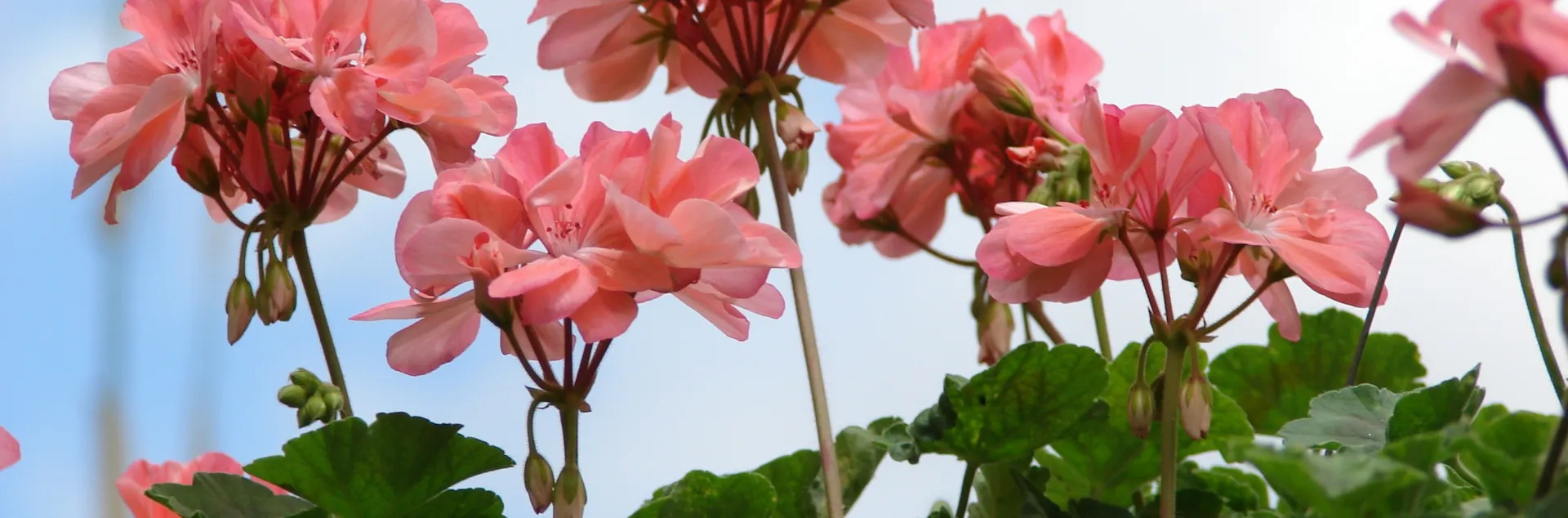
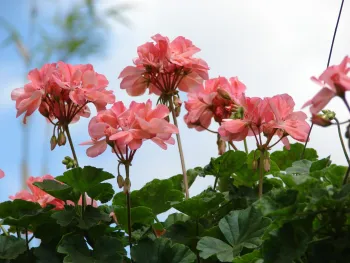
From the greenhouses of Victorian England to gardens and homes across the world, geraniums have captivated gardeners with their cheerful blooms and immense variety. The favorite flower of Charles Dickens and countless others, they are sure to earn a place in your garden and your heart. However, the name ‘geranium’ can be slightly misleading: often this term is used to describe plants in both the Pelargonium and Geranium genera, but only plants in the Geranium genus are true geraniums. While both belong to the Geraniaceae family, there are a few key differences that separate the two.
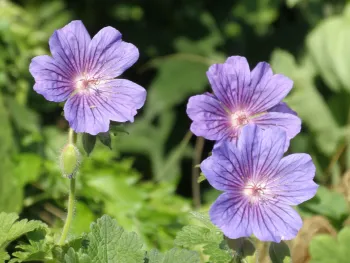
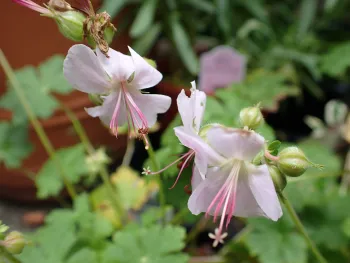
True geraniums often go by the name ‘hardy geranium’ due to the fact that they can survive frosts, dying back to the ground each winter and regrowing from their roots each spring. You may have also heard true geraniums being called cranesbills due to their fruit resembling a crane’s bill. Most true geraniums are low-growing, with flowers coming in shades of white, pink, purple, blue, or nearly black. There are approximately 360 to 450 species of geraniums that are native to temperate regions across the world, from Hawaii to the Mediterranean to the woodlands of Canada.
Pelargoniums are native to temperate South Africa, and unlike their cold-hardy cousins, are unable to tolerate frosts. Their flowers come in a carnival of colors, including red and orange, tending to be far brighter than their diminutive true geranium cousins. Unlike true geraniums, pelargoniums do not die back in the winter, but stay evergreen year-round. Pelargonium leaves are thick and fleshy, with some varieties having leaves scented like a variety of confections including cinnamon, roses, lemons, and peppermint.
Here is more information on growing Geraniums and Pelargoniums:
Geraniums:
- Plant in full or partial sun. Many geranium species prefer morning sun and afternoon shade, especially in hotter Marin microclimates.
- Ensure the soil stays moist. Most geraniums perform best in moist, well-draining soil, however G. macrorrhizum and G. phaeum can also tolerate dry shade.
- Some varieties to consider include: ‘Rozanne’ (large, purple flowers), ‘Biokovo’ (pale pink), and ‘Samobor’ (patterned foliage, dark purple flowers)
Pelargoniums:
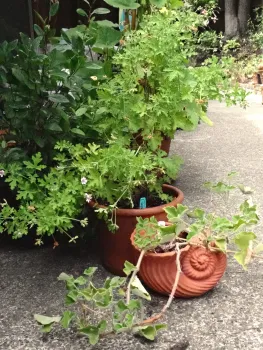
There are four main types of pelargoniums: zonal, regal, ivy, and scented.
- Zonal pelargoniums, often called garden geraniums, are bushy plants that often have hairy, patterned leaves. They produce large, spherical clusters of red, pink, salmon, or white flowers. They can be very pungent.
- Regal pelargoniums (Pelargonium x domesticum) produce clusters of showy blooms in shades of pink, purple, lavender, and red, often with interesting markings and splotches. They are often called Martha Washington geraniums after a popular variety of the same name. They need cool nights (50-60° F) to flower and may not perform in warmer Marin microclimates.
- Ivy pelargoniums (Pelargonium peltatum) have lobed leaves that resemble the leaves of English ivy. They produce flowers in shades of red, pink, or white. They have a trailing growth habit that makes them ideal for hanging baskets or a pot mounted on a pedestal or wall, and prefer afternoon shade when temperatures exceed 85° F.
- Scented pelargoniums have leaves that come in a variety of scents, including nutmeg, apple, balsam, strawberry, and many more. Their flowers tend to be smaller than other pelargoniums and come in shades of mauve, pink, purple, and white.
Tips for growing Pelargoniums:
- Pay attention to winter temperatures. Pelargoniums are hardy in USDA horticultural zones 9-12 depending on species. Consider keeping your Pelargoniums in pots and moving them indoors during winter if temperatures in your garden routinely drop too low.
- Pelargoniums require 4+ hours of direct sunlight. They grow well in sunny weather, but need some shade in very hot temperatures.
- Water regularly, allowing the soil to dry out between waterings, and plant in well-draining soil.
- Fertilize every 4-6 weeks during the growing season.
- Some varieties to consider include: ‘Appleblossom Rosebud’ (zonal, pale pink), ‘Melody Red’ (zonal, red), ‘Lucille’ (zonal, coral), the ‘Elegance’ series (regal), the ‘Ivy League’ series (ivy), ‘Attar of Roses’ (rose scented) and ‘Chocolate mint’ (mint scented)
By Emily Daane, August 15, 2026