
If you've been sad thinking the end of summer means the end of your vegetable garden, don't be. In Marin, August isn't the season's last chapter. It's the beginning of a second one, and if you play it right, you'll be cutting heads of broccoli and harvesting handfuls of kale while your neighbors are eating store-bought salad in November.
The secret is understanding what's actually happening in your garden right now. Cool-season crops grow best and produce the best quality when average temperatures are 55°F to 75°F, and they're usually tolerant of slight frost. Here in Marin, that's practically a description of our entire fall and winter. We don't get hammered by cold the way most of the country does, which means even if you grew up thinking veggie gardens are a spring and summer thing, welcome to California.
The reason August is the moment to act, not September, comes down to math. To have broccoli seedlings ready to transplant in mid-September, you need to start your seeds about six weeks earlier, around the first week of August. You're giving yourself a running start before shorter days kick in and slow everything down. Crops mature more slowly in the cool fall and winter than in warm spring and summer, so every day you bank now is a day you won't be waiting in December. And don't count on your local nursery to have cool-weather starts on the shelf when you need them. Get your seeds now and start them indoors or in a shaded spot, keeping the soil consistently moist until transplants are ready to go.
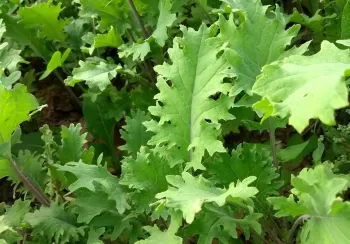
The lineup of fall vegetables for Marin is genuinely excellent. Members of the Brassica genus do especially well: cauliflower, broccoli, Brussels sprouts, cabbage, collard greens, turnips, bok choy, and kale. Leafy greens, including spinach, lettuce, arugula, and Swiss chard, also thrive in cooler months, as do parsley and cilantro. Many of these actually grow more abundantly in cool weather and won't bolt to seed the way they do in summer heat. The same lettuce that gave up on you in June will be perfectly happy come October, and it'll taste better for it.
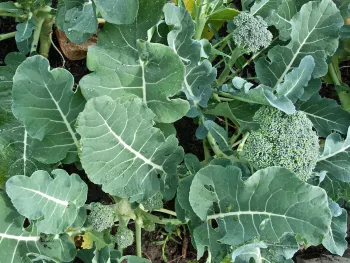
Broccoli deserves special mention because it keeps on giving if you let it. Pick firm, dense heads before the florets divide or begin flowering, since harvesting the central head stimulates side shoots to develop on side-sprouting varieties. The more you harvest, the more you get. Varieties like 'De Cicco' and 'Calabrese' are particularly good for this cut-and-come-again habit. For root crops like carrots and beets, sow seeds directly in the soil since transplanting can damage the roots.
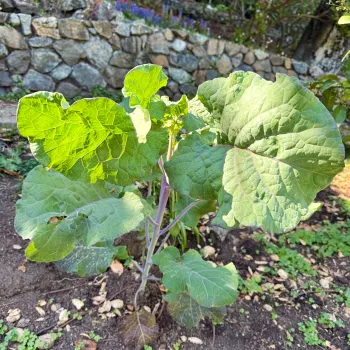
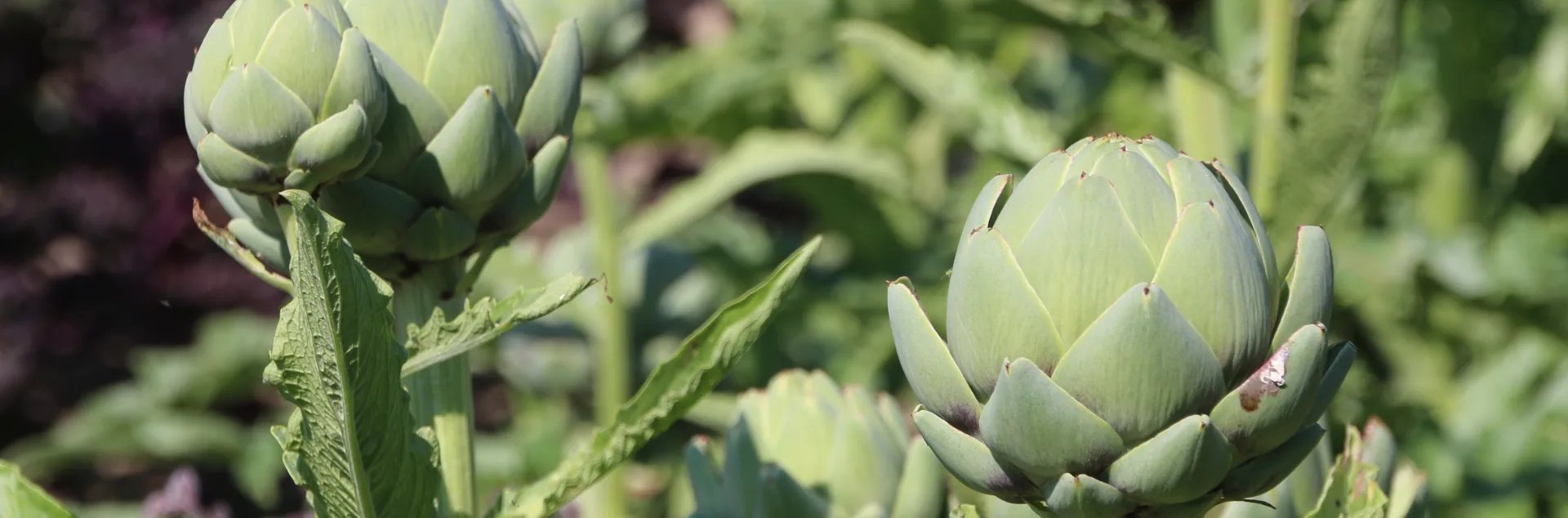
If you're thinking about a longer-term investment, this is also a fine time to add some perennial vegetables. These go in once and produce for years. Asparagus, artichokes, sunchokes, and walking tree collards all deserve their own bed or a large container. Artichokes are practically tailor-made for Marin, thriving in the coastal climate and producing two crops of tender buds a year for five or more years. After the spring harvest, cut the old stalks back to just below ground level and new shoots will come up for a fall crop. You can also perennialize regular kale by cutting it back to a few inches of stalk when it looks tired, and it'll resprout. The same goes for Swiss chard. And if you haven't yet encountered tree collards, sometimes called walking stick kale, they're among the perennial vegetables most suited to our mild Bay Area coast.
Before anything goes into the ground, amend your soil. Heavy clay or sandy soils improve with compost, manure, or leaf mold, worked in when the soil is moist but not wet. If it forms a clump when you squeeze it, wait a day.
August can feel like an ending. But in Marin, with its fog and mild winters and genuinely agreeable growing conditions, it's really just time to plan for the second act.
By James Campbell, July 25, 2006