
Garden soil may not be glamorous, but it’s the foundation of every healthy garden. Under your feet lies a hidden world of activity. A single teaspoon of healthy soil can contain millions of bacteria, feet of fungal threads, thousands of protozoa, and countless other tiny organisms. Together, these unseen helpers decompose organic matter, recycle nutrients, improve soil structure, and support healthy plant growth. Healthy soil isn't just dirt - it's a living ecosystem.
The good news is that it's surprisingly easy to encourage healthy soil. You don't have to haul in bags of amendments, and there's no need to turn the soil. Instead, do what nature does: keep the soil covered - with plants, plant residue, or organic mulch - and disturb it as little as possible.
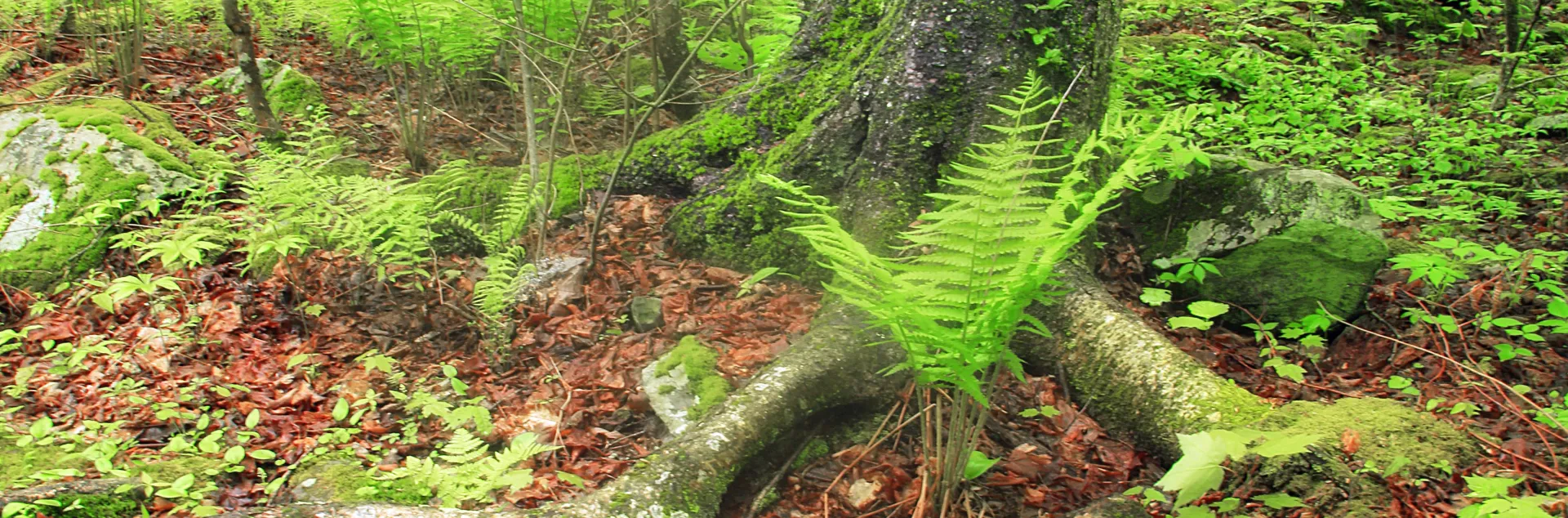
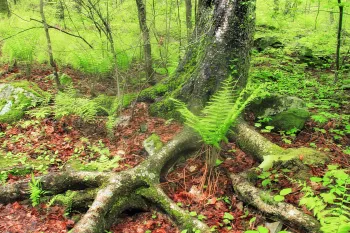
Nature rarely leaves soil bare. Walk through a healthy forest and you'll find the ground protected by layers of fallen leaves, twigs, bark, and other organic matter, while plants fill in gaps. Each season adds another layer that slowly decomposes, feeding the organisms below and enriching the soil above. Our gardens thrive when we imitate this natural process.
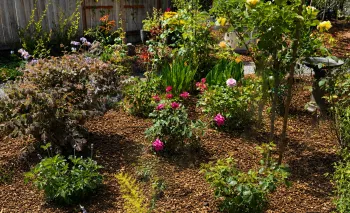
Why keep the soil covered? Plants and mulch help conserve soil moisture, moderate soil temperature, suppress weeds, prevent erosion and compaction, and add organic matter as they break down. They also improve soil structure, fertility, and aeration, all while making the garden more attractive.
Living plants provide additional benefits, and a variety of native plants, perennials, annuals, shrubs, trees, and plants with different root structures support a rich community of soil organisms and help gardens become more resilient to pests, diseases, and the effects of climate change. In addition to improving soil health, diverse plantings create habitats for pollinators and other beneficial wildlife.
There are many organic mulch materials, including compost, straw, and leaves. Some of the best, however, are chipped, ground, or shredded bark or wood - commonly called arborist wood chips. With these materials, the mulch layer is much more than a protective blanket. It's a vibrant ecosystem.
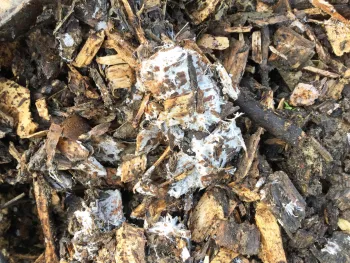
The zone where wood chips meet the soil is one of the most biologically active places in the garden. Fungi colonize the wood, bacteria break down organic compounds, earthworms and insects move organic matter into the soil, and plant roots benefit from the slow, steady release of nutrients.
How should mulch be applied? Spread two to four inches of coarse arborist wood chips or shredded bark over the soil, keeping the mulch a few inches away from trunks and stems. Choose chips that are at least one-half inch across – they allow water and air to move freely through the mulch. Replenish the mulch as it naturally decomposes.
Once the mulch is in place, minimize disturbance from tilling, leveling, or otherwise disrupting the soil. Disturbing the soil damages plant roots and soil organisms, breaks down soil structure, and can increase erosion, carbon loss, and water ponding.
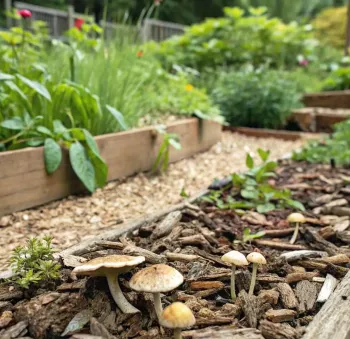
A few myths about wood chip mulch deserve to be put to rest. Wood chips don’t rob plants of nitrogen unless they are mixed into the soil rather than left on the surface. They don’t significantly change soil pH. And wood chip mulch - even when made from diseased trees – doesn’t transmit those diseases to healthy plant roots.
One final safety note: Arborist wood chips are an outstanding mulch for building healthy soil and conserving water. However, in wildfire-prone areas, keep combustible mulches at least five feet away from homes and other structures. Use gravel, stone, or other noncombustible materials in that immediate zone, and enjoy the many soil-health benefits of wood chips farther out in the landscape.
Healthy soil isn't something we create - it's something we protect. By keeping it covered with plants or organic mulch and disturbing it as little as possible, we allow nature to do what it does best: build healthy, living soil that supports healthier, more beautiful plants.
By Nanette Londeree, August 22, 2026