
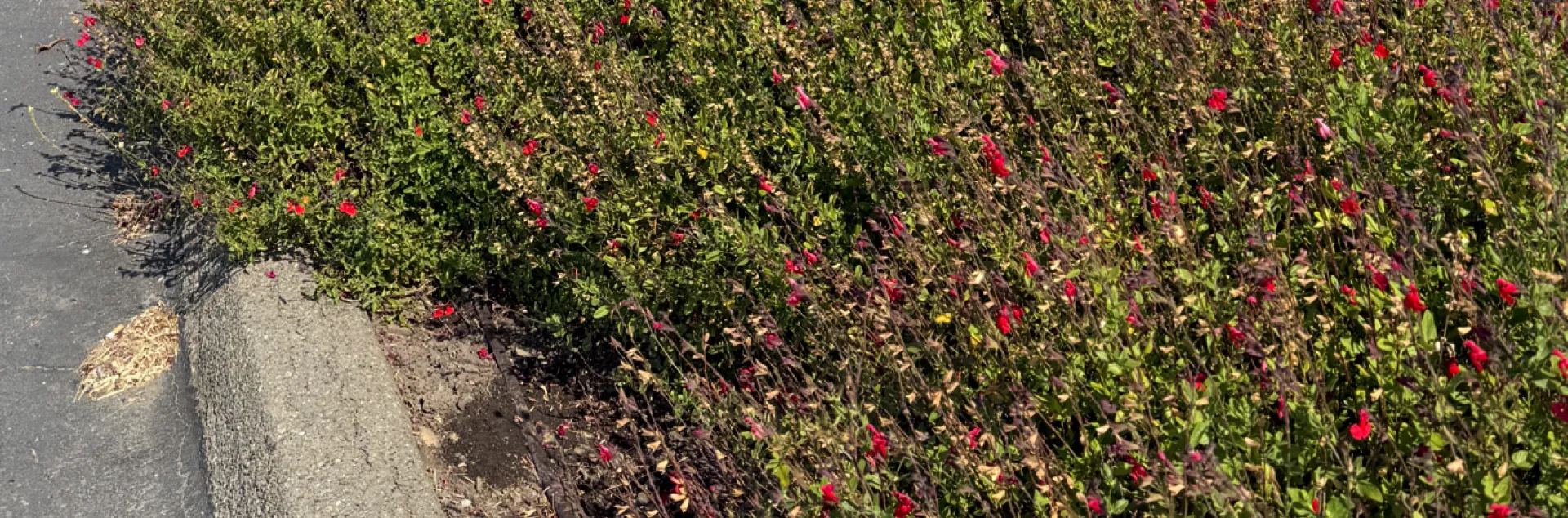
If you've been walking through your garden lately and noticed a few plants looking tired, thinning out, or even turning brown, don't fret. Around Marin County, this happens every summer, and most of the time nothing is wrong. In fact, many plants are doing exactly what they're supposed to do.
Gardeners often think of dormancy as something that happens in winter, when trees drop their leaves and everything looks quiet. But here in our Mediterranean climate, where winters are cool and wet, and summers are warm and dry, many plants have learned to do the opposite. When the long dry stretch of summer arrives, they slow down, stop growing, and sometimes even shed their leaves. It's simply their way of conserving water and waiting for the return of fall rain.
Here's what's actually happening inside the plant. When soil moisture disappears and temperatures rise, plant roots release a hormone called abscisic acid, or ABA. Think of it as the plant's signal to batten down the hatches. ABA tells the tiny pores on the leaves, called stomata, to close up tight. That cuts water loss, but it also slows photosynthesis way down. With less food being made, the plant dials back growth, drops leaves it doesn't need, and parks itself until conditions improve. It's not struggling. It's being practical.
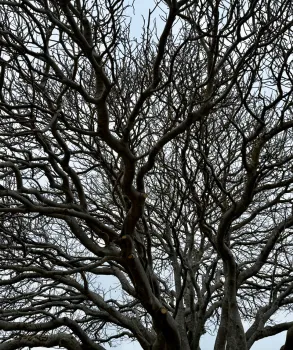
California buckeye is the showstopper of summer dormancy. It's one of the first trees to leaf out in late winter, grows vigorously through spring, and goes completely bare by midsummer while everything around it is still green. Perfectly normal, totally intentional, and impressive once you know what's going on.
Ceanothus, our beloved California lilac, takes a subtler approach. Most species stay evergreen but slow their growth to nearly nothing in summer, concentrating energy on the flower buds that'll put on that glorious blue show next spring. Coffeeberry and toyon may look a little quieter this time of year too, especially without irrigation, but they're fine.
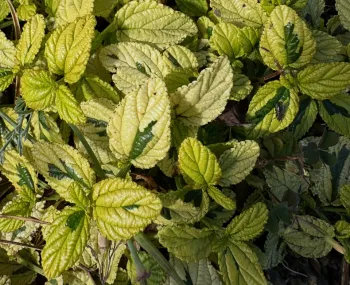
Native currants such as ribes often leaf out and bloom in early spring, then lose most of their leaves by midsummer without water. Even when they look completely bare, they'll return with fresh growth when fall rain arrives. Some salvias look sparse in late summer, coyote mint dries back in the heat, and California poppies may disappear entirely by midsummer. Native bunch grasses like purple needlegrass turn that familiar golden color that covers Marin hillsides each summer. That's not decline. That's their resting stage.
Oak trees follow their own rules. Valley oaks and California black oaks lose their leaves in winter, while coast live oaks stay evergreen year-round. What many gardeners don't realize is that most native oaks prefer dry soil in summer. Regular irrigation near their roots can encourage diseases that may damage or even kill the tree over time.
When plants start looking brown or sparse in summer, the natural instinct is to water more. But if a plant is summer dormant, extra water won't wake it up and can actually harm it.
Knowing your plants are resting also changes when you should prune. Most of us were taught to prune in winter. But for California natives, summer dormancy is the right window. Pruning in fall can push tender new growth that won't harden before the cold. For ceanothus specifically, wait for a warm, dry midsummer day. Ceanothus is susceptible to a fungal disease called apricot canker if cut in wet conditions, so timing really matters. Keep cuts light, tip-prune only, and don't cut back into old wood. Ceanothus won't push new growth from bare old stems the way a rose will, and heavy pruning can be fatal. Ribes does best pruned in early summer after blooming is finished.
Marin landscapes have always followed this rhythm. Once you recognize the pattern, those dry stems and golden leaves start to look less like trouble and more like a garden sensibly adjusting to the season.
By James Campbell, July 11, 2026