
(Originally published May 2, 2026)
The efficacy of using peat as a soil amendment for home gardeners may very well depend on where you live. There is no argument that peat increases soil viability and improves crop yields. Soil scientists estimate that one acre of harvested peat can account for 270,000,000 tons of food. The dilemma of peat is the sustainability of the bogs, mires and wetlands that create it. In Europe, where peat bogs have been used for agriculture and as a source of energy for centuries, over 50% of the peat lands are considered highly degraded with fewer than 10% ranked as in “good condition”. This had led to the European Union (EU) imposing severe restrictions on the harvesting of peat. The use of peat for any purpose has been completely banned in Ireland. Since 2022, peat has been unavailable to home gardeners in the EU and there will be a complete ban, for all purposes, across the EU’s twenty-seven member countries by 2030.
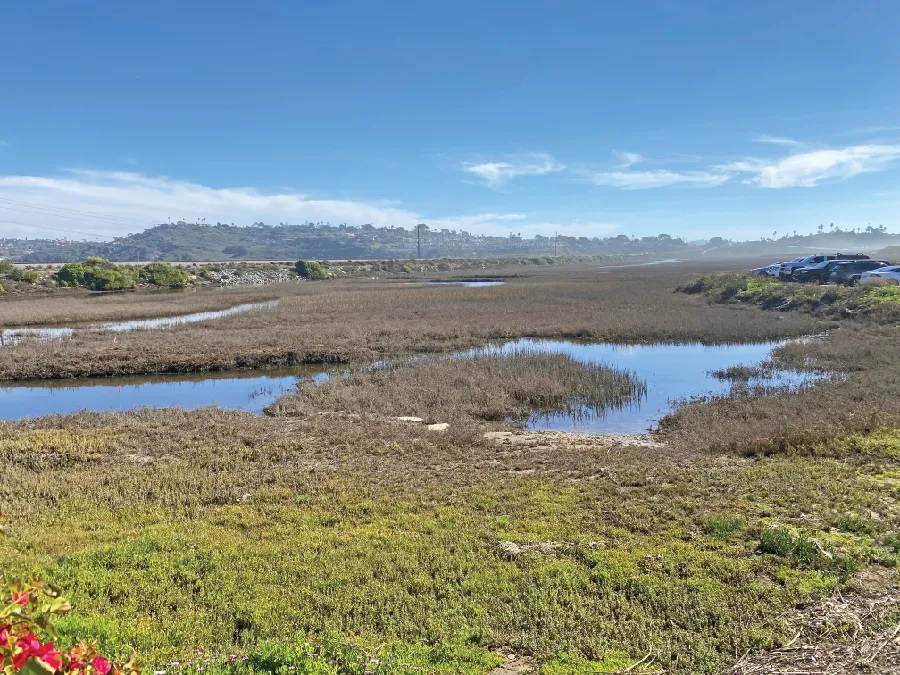
“Across the pond”, 90% of North America’s peat comes from Canadian wetlands. Canada has an estimated 280,000,000 acres of peat land. Of that total, 73,500 acres, or about 0.03%, have ever experienced harvesting (currently and historically). Both central and territorial governments in Canada require conservation and restoration plans for any peat harvesting within their boundaries. It is standard practice that peat bogs be restored. Using techniques like raising the water level of wetlands and moss layer transfer, there habilitation of a disturbed peat land is designed to be completed within a twenty year span. Because of industry’s limited access to the mass of Canadian peat lands plus good conservatorship, home gardeners in North America should feel comfortable using peat and peat products largely because the Canadian government has worked to ensure that peat is a sustainably managed resource.
In addition to peat as a soil amendment, sphagnum moss is a common gardening product that comes from Canada’s wetlands. Sphagnum moss is the only part of a peat bog that exists above the water level and is viable plant material. This living organic matter eventually dies and submerges, layering atop other rotting matter in an anaerobic stew that, over time, becomes peat. Like peat, sphagnum moss has no nutritional value and is a good medium for mounting ferns and lining hanging baskets.
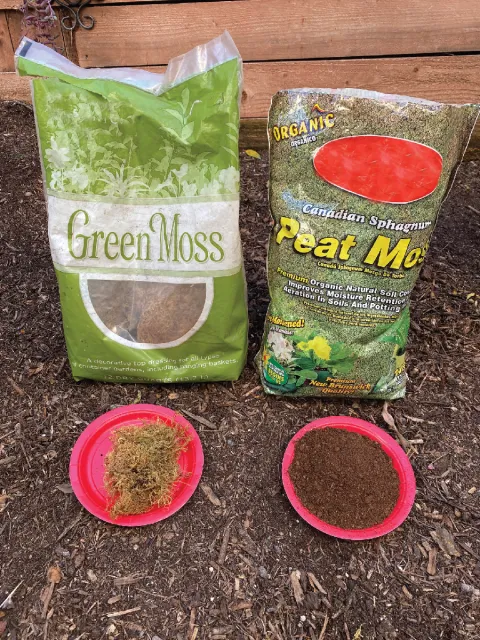
Using peat or sphagnum moss will still cause concern among some home gardeners. For those reluctant to use material sourced from Canadian wetlands, there are many sustainable alternatives. Coir, like peat and sphagnum moss, is valued for its ability to help soil retain water. Coir is the waste product from coconut processing. The longer fibers of coir are used for things as diverse as rope, mattresses and hanging-basket liners. The short fibers and dust are used as a soil amendment. Coir is not without its detractors. The coconut processing plants are typically found in countries like India, Sri Lanka and the Philippines so transporting coir to the United States in airplanes or ships comes with a sizeable carbon footprint. Also, the process of coir production uses massive amounts of water.
Other sustainable substitutes, more nutrient-rich and more readily available than peat or coir, are as close as your backyard or kitchen counter. Overall, composted yard and kitchen waste is seen as a superior soil amendment that not only holds water but provides nutrients and microbes not found in peat or coir. Leaf mold, rotted autumnal leaf drop, is another sustainable alternative. Creating a good leaf mold pile for garden use requires effort and patience, but the nutrient-rich amendment provides fertility and aeration to the soil, giving trees, gardens and landscape plants a healthy burst of energy.
Resources:
The Yolo Gardener, Sphagnum and Peat Moss Will Be Banned To Gardeners, Deborah Sorrill, Yolo County UCCE Master Gardener
Home and Lifestyle Magazine, What Is Peat Moss, September 28, 2021 Master Class presentation
Rural Sprout, 4 Reasons To Stop Using Peat and 7 Sustainable Alternatives, September 9, 2021
Wildcoast.org - How San Diego County wetlands can be part of climate-saving strategies
Province of Alberta publication, Requirement Conservation and Reclamation Plans for Peat Operations in Alberta, May 25, 2016
Webinar: Technologies and Strategies for Sustainable Substrates in Containerized Crop Production, Dr. James Altland, USDA ARS
Michael Harrelson has been a UC Master Gardener of San Diego County since 2012. He practices low-water landscaping at his home in Jamul.