About
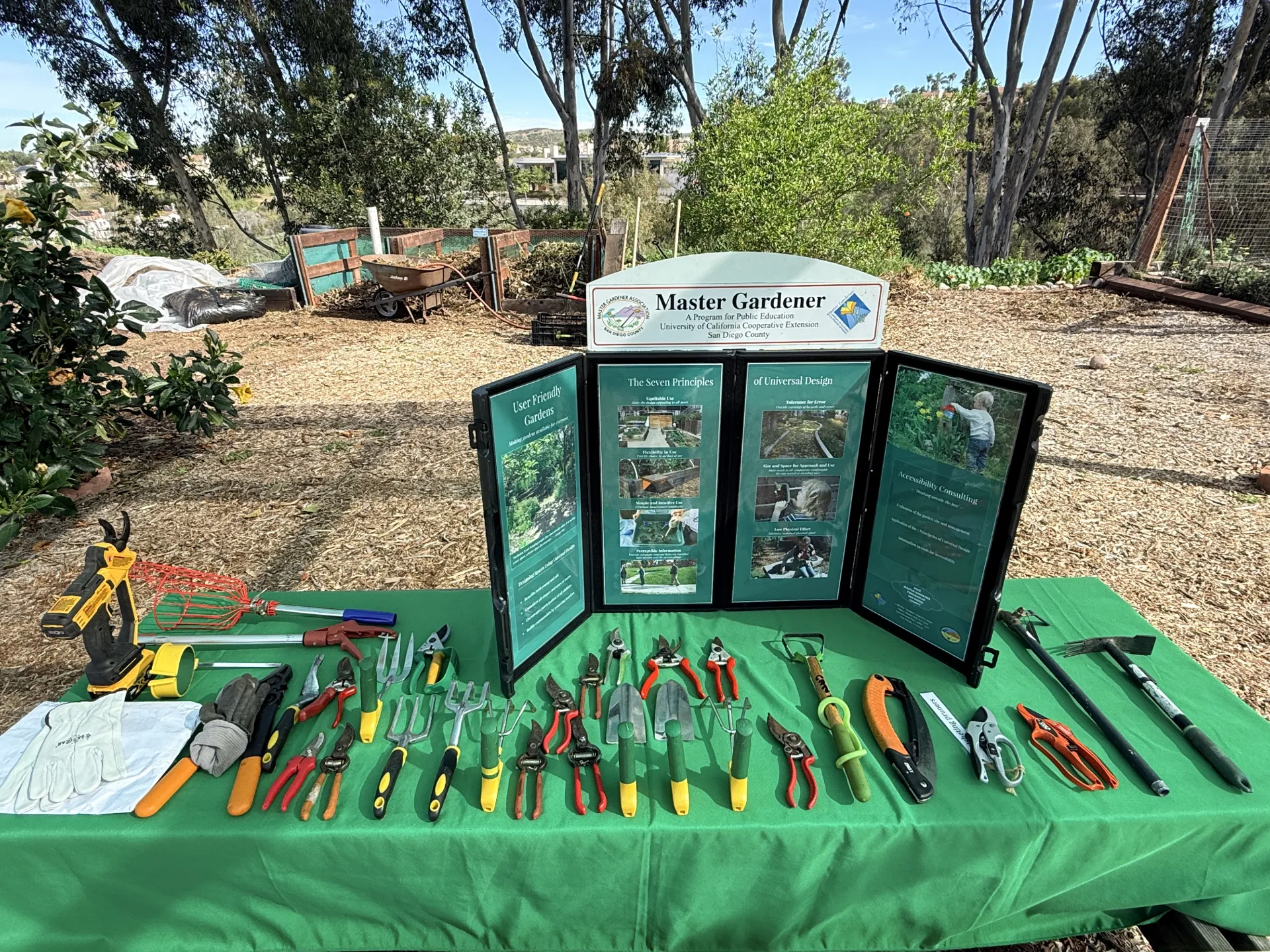
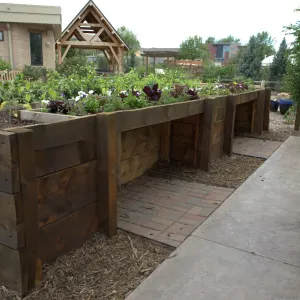
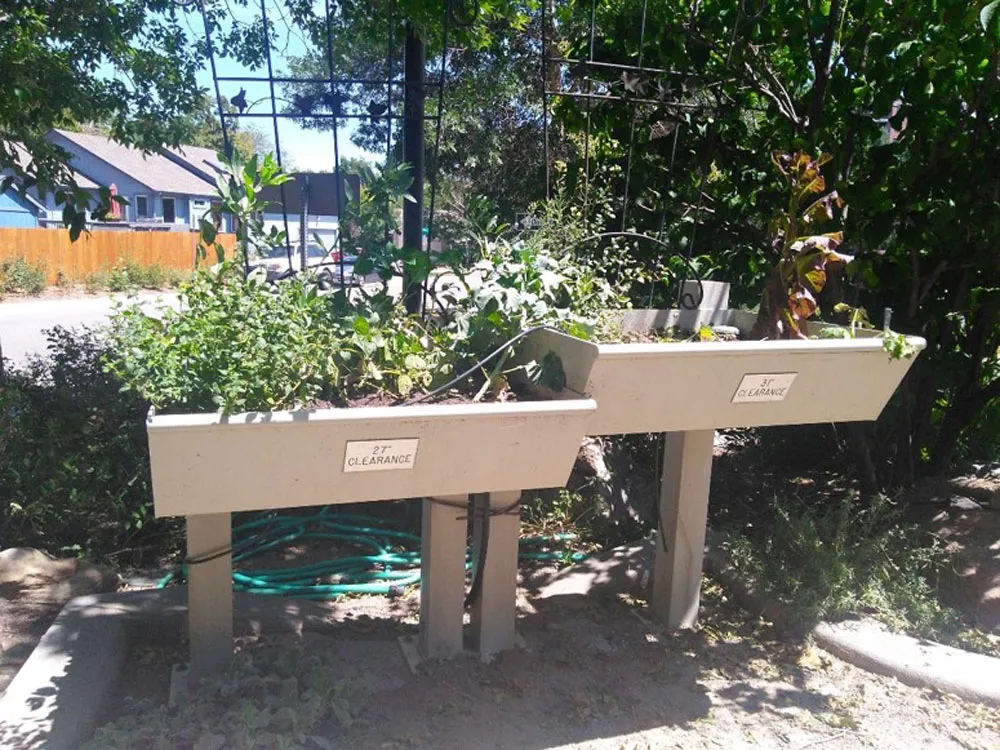
FIG is an all-inclusive approach to creating garden spaces, developed by UC Master Gardener of San Diego County Stephen Cantú using the 7 Principles Of Universal Design. An enabled garden may use concepts such as raised garden beds, modified tools, and broader pathways to achieve both accessibility and functionality.
FIG stands for
Friendly: safe, easy movement around the garden with the right tool for the job
Inclusive for all levels of ability and age
Gardens: a planned space for the cultivation and enjoyment of plants and nature
Mission Statement
Under the umbrella of the UC Master Gardener Program of San Diego County, FIG, Friendly Inclusive Gardens, will provide:
ADA-accessible information and knowledge related to Community, School, and Home gardeners for enthusiasts of all ages and abilities to work independently in their respective gardens, and also to promote gardening to one's mental and physical health over generations.
Accessibility and Inclusivity in Gardens

Whether one has physical limitations or not, the goal is to make gardening a friendly, inclusive, accessible experience for all.
FIG considers any stage of life, from toddler to older adult, and those who might be:
- Mobility challenged
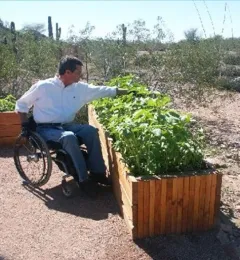
- Using walkers, canes, or wheelchairs
- Caregivers with strollers
- Blind or hearing-impaired
- Non-native speakers or non-readers
- Of varying developmental, behavioral, and cognitive abilities
The Seven Principles of Universal Design
- Equitable — useful to all people.
- Flexible — accommodates a wide range of abilities.
- Simple and intuitive — easy to understand design.
- Perceptible — communicates essential information curated for each user.
- Tolerance for error — minimizes hazards and unintended actions.
- Low physical effort — efficient and comfortable design.
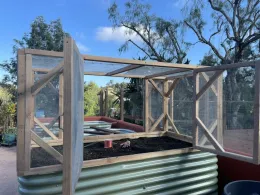
- Size and space — appropriate to provide adequate approach and reach.
Universal Design is a "global movement of inclusive design practice," according to the Center for Universal Design at North Carolina State University. It guides the development of environments, products, and communications so they’re usable by everyone, "to the greatest extent possible, without the need for adaptation or specialized design." It places a high value on diversity, equality, and inclusiveness, which encompasses the symbiotic relationship, philosophy and culture of acknowledging, embracing, supporting, and accepting those of all racial, sexual, gender, religious and socioeconomic backgrounds, among other differentiators.

Resources
- Learn In Person and Book a UC Master Gardener to speak about FIG
Presentations may include "Making Gardening Accessible to all Ages and Abilities"
or "A Friendly Discussion on Gardening Tools and Design" Learn more at UCANR's "Live Well In the Garden" Program- San Diego Union Tribune Article - Stephen Cantu "7 Principles.."
- San Diego Union Tribune Article - Stephen Cantu "Inclusive Guidelines.."
- Friendly Inclusive Gardening video by MGASDC with Stephen Cantu
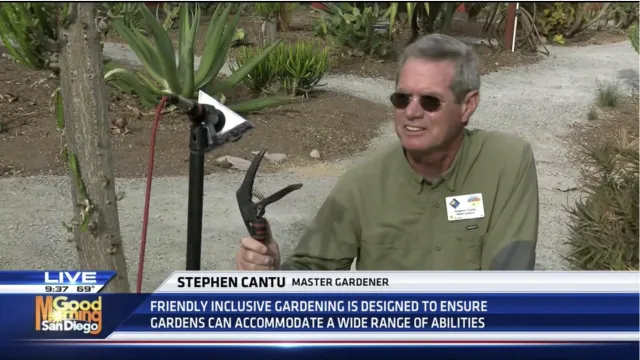
- FIG's "Seven Principles of Design" video with Stephen Cantu on KUSI's Good Morning San Diego:
The UC Master Gardener Program of San Diego County does not recommend or endorse any particular company or product. The links below are for reference and information-gathering. Please research and find the information and tools that work for you.
- Gardening for Life video by UW-Extension Master Gardener program
- 10 Ways to Make Your Home Garden More Accessible
- Accessible Events: ADA Guidelines
- Accessible Garden Models: Huntington Gardens | California Botanic Garden | Descanso Gardens
- ADA National Network: Information, Guidance, and Training on the Americans with Disabilities Act
- Adapted Garden Beds
- Adaptive Tools: Amazon | Radius Garden Tools
- Presentation "Understanding the Spectrum of Human Abilities," from The Universal Design File, Center for Universal Design, NC State University.