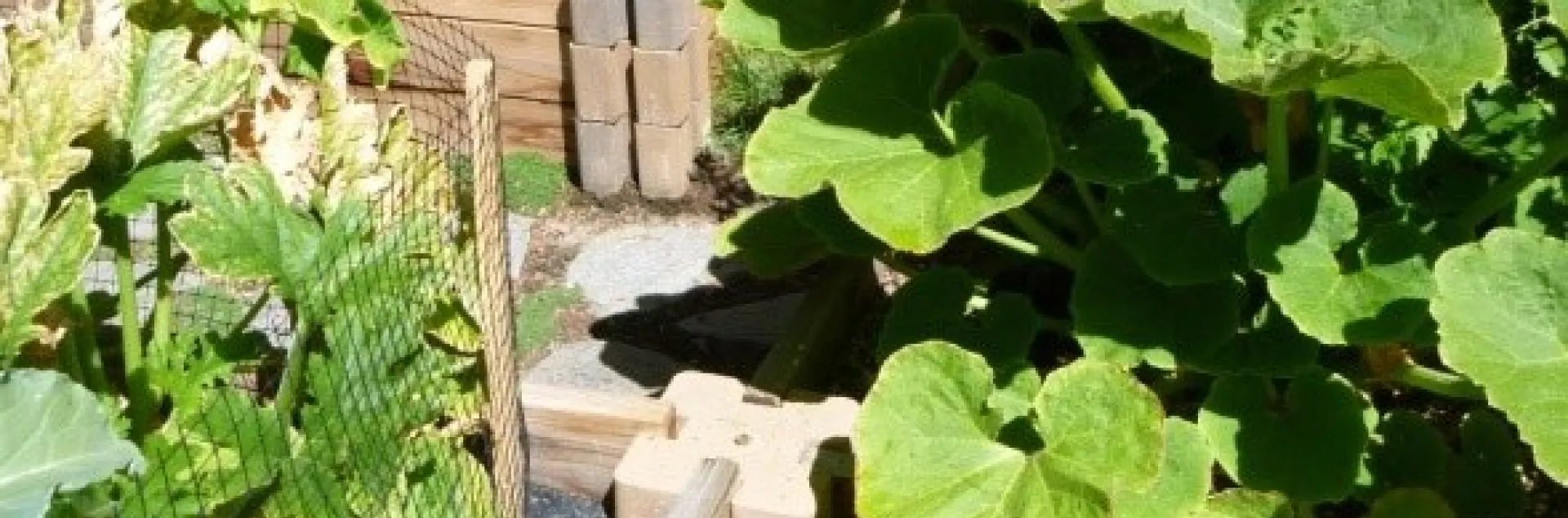
raised garden bed of cruciferous leafy green vegetables
UC Master Gardeners of the Lake Tahoe Basin

Newsletter Archives: Food Gardening

Below is a collection of previous newsletter articles related to fruit, vegetable, and herb gardening topics here in the Lake Tahoe Basin, sorted in reverse chronological order.  To get the entire newsletter emailed to you every month, sign up here.

UC Master Gardeners of the Lake Tahoe Basin: Article

Central Sierra: It's June Bug Season

May 27, 2026
June bugs are among the most familiar insects of early summer. Although people commonly call them “bugs,” they are actually scarab beetles in the genus Phyllophaga. These beetles are usually brown, oval-shaped, and active at night, often flying clumsily around porch lights. Their larvae, known as white grubs…
View Article
UC Master Gardeners of the Lake Tahoe Basin: Article

Central Sierra: Chard Growing Instructions

May 18, 2026
Eaten raw as a young leafy green, or sautéed as a mature stem & leaf, Chard is an easy-to-grow vegetable that is among the most versatile. It’s also known as Swiss Chard (though the plant originated in the Mediterranean.)  Growing in the rainbow-colors available adds a visual pop to any vegetable …
View Article
UC Master Gardeners of the Lake Tahoe Basin: Article

Central Sierra: Lettuce Growing Instructions

May 18, 2026
Lettuce is a very popular vegetable, and can be grown spring through fall in the Tahoe Basin.  Lettuces come in a wide variety of reds and greens and can add a beautiful element to an edible garden.  Many varieties can be harvested on an as-needed basis, making for a very convenient source of fresh…
View Article
UC Master Gardeners of the Lake Tahoe Basin: Article

Central Sierra: Root Crop Growing Instructions

May 4, 2026
About Carrots, Parsnips and RadishesCarrots are native to Eurasia, with the typical orange variety coming from east Asia.  Parsnips are native to the eastern Mediterranean and north to the Caucus Mountains. Beets also are from the Mediterranean region usually along the sandy coast.  Lastly radishes…
View Article
UC Master Gardeners of the Lake Tahoe Basin: Article

Central Sierra: Onion and Leek Growing Instructions

May 4, 2026
About OnionsOnions grown in the Tahoe/Truckee area do not typically achieve the size found in the markets.Onions are defined as short day, long day and intermediate day onions. Intermediate day onions may do best in our area. Tahoe is on the demarcation line for the limits of long-day and short-day onions…
View Article
UC Master Gardeners of the Lake Tahoe Basin: Article

Central Sierra: Squash & Pumpkin Growing Instructions

May 4, 2026
Growing SquashSquash have separate male and female flowers (monoecious).Flowers are edibleCompanion plantings include corn, lettuce, onions and radishesAvoid planting with potatoes, tomatoes and eggplantsMany varieties have tendrils that help the plant climb and hold fruit off groundSquash can be grown in…
View Article
UC Master Gardeners of the Lake Tahoe Basin: Article

Central Sierra: Bean Growing Instructions

May 4, 2026
Types of BeansSnap beans – Beans and pods eatenFilet or French Green Bean – more slenderShelled beans – Only the bean is eatenDry Beans – Beans typically dried prior to rehydrating and eaten (pinto)Bean Growth ClassificationPole – Requiring support, Longer production periodBush – Not requiring support,…
View Article
UC Master Gardeners of the Lake Tahoe Basin: Article

Central Sierra: Pepper Growing Instructions

May 4, 2026
SoilPepper plants grow best in warm well drained soil. Ideal soil Ph is 6.0 to 6.8 range. A soil enriched with plenty of compost and organic material will require less fertilizer. Fertilizers of a 1-2-2 ratio are often used for growing peppers.ConditionsPeppers love the warm temperatures. They need 6-8 hrs…
View Article
UC Master Gardeners of the Lake Tahoe Basin: Article

Central Sierra: Tomato Growing Instructions

May 4, 2026
Tomato SoilpH 6.2-6.8 (Tahoe/Truckee native soil) is best. Prep area by mixing in 10-10-10 fertilizer and organic matter to improve moisture-holding capacity. Plants are thirsty and hungry.Planting TomatoesTomatoes can be grown on native soils, raised beds or containers. Container growing is most successful…
View Article
UC Master Gardeners of the Lake Tahoe Basin: Article

Central Sierra: Pea Growing Instructions

April 28, 2026
Nitrogen Fixation in PeasAtmospheric nitrogen (N2) is not in a usable form for most plants. For legumes like beans and peas a symbiotic relationship exists with a type of nitrogen fixing bacteria (Rhizobia spp.). The bacteria “infects” the root system obtaining essential nutrition, while providing the plant…
View Article