

What is Fire Ecology?
Fire ecology is the study of fire as an ecosystem process. Fire ecologists study how changes in the frequency, severity, and extent of fires can provide favorable or damaging influences on ecosystems. They also study the interactions between fires and other ecological patterns and processes, and how they work together or in conflict to vary outcomes on the land.
Many of California’s ecosystems have evolved with fire as an essential process that creates and renews habitats. In fire-prone ecosystems, native plants and animals have evolved with fire influencing not only habitat conditions but key aspects of their life history. Fire ecology practitioners work to understand these relations and, often by means of intentional burning practices and other methods, restore these intimate relationships with fire. Use the resources below to learn more about the fundamentals of fire science and ecology!
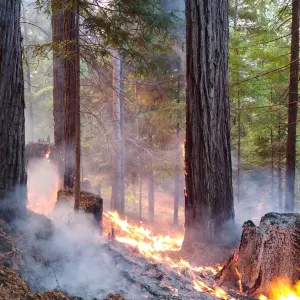
Fire Science Fundamentals
Fire is both a physical and ecological process. Physical processes include the heat produced, rate of spread, and direct impacts on other ecosystem components. Ecological processes involve the indirect impacts fire has on soils, vegetation, watersheds, and wildlife.
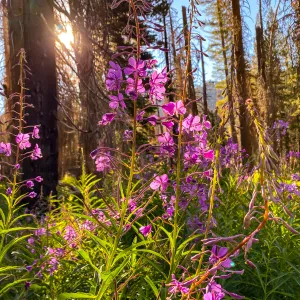
Regional Fire Ecology
California has incredible ecosystem diversity, which is due to the range of climate, geomorphology, and vegetation that can be found across the state. Similarly, fire’s role in these ecosystems is equally diverse. The state can be divided into eight bioregions based on vegetation and fire regimes, or the patterns of fire size, occurrence, and severity in a given area.