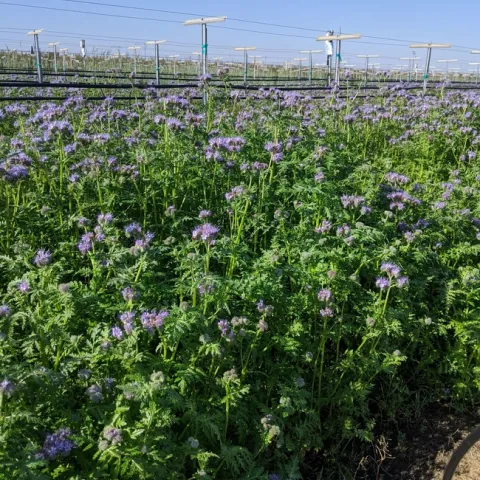
In late February, in an almond orchard in the Sacramento Valley, the fall-planted cover crop mix of grasses, brassicas and legumes had barely produced a green fuzz above the soil surface, and it was unclear when it would bloom.
By Nicholas E Clark, Thomas J Getts, Mark E Lundy, Michelle M Leinfelder-Miles, Sarah E Light
UC Davis and UC Cooperative Extension are excited to share newly developed tools that optimize nitrogen (N) fertilizer management in wheat and other small grains.
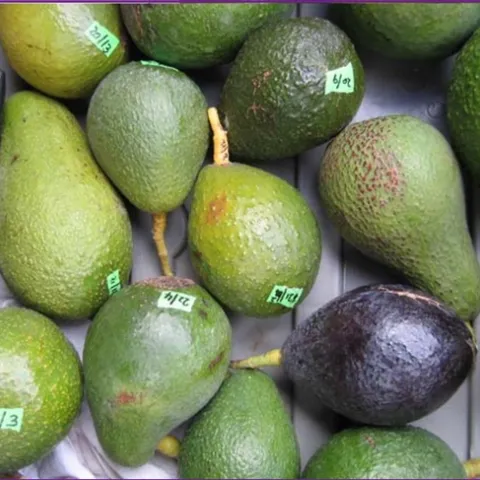
Yuya Fukano and Yuuya Tachiki Published:15 September 2021https://doi.org/10.1098/rsbl.2021.0352 Fleshy fruits can be divided between climacteric (CL, showing a typical rise in respiration and ethylene production with ripening after harvest) and non-climacteric (NC, showing no rise).
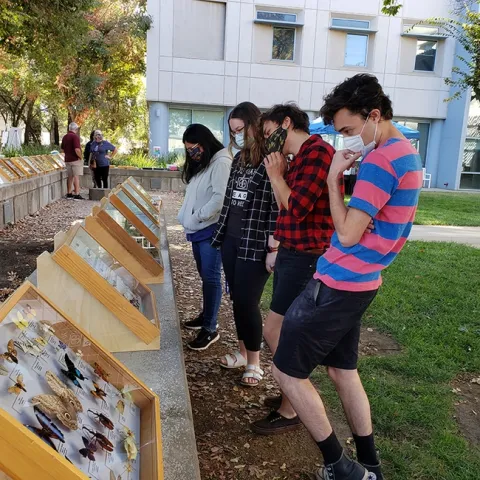
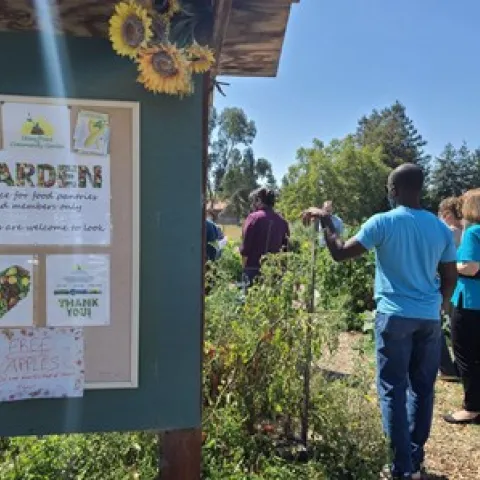
On August 25th, UCCE's Urban Ag & Food Systems Program tabled, paneled and supported the 8th Annual Food, Faith and Farms Conference in San Rafael, CA, hosted by Interfaith Sustainable Food Collaborative.
Eight more UC Cooperative Extension (UCCE) advisor positions have been released for recruitment by Glenda Humiston, University of California vice president for agriculture and natural resources.
Effort Will Develop Ways to Minimize Risk from Climate Extremes for Southwest Growers Researchers from the University of California, Davis, have been awarded a $10 million grant by the U.S.
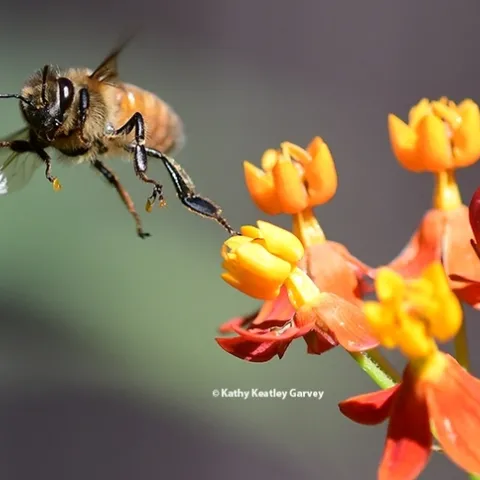
Hey, wait, take me with you! No, leave me alone! Let me go! Have you ever seen insects struggling to free themselves from the reproductive chamber of a milkweed blossom?
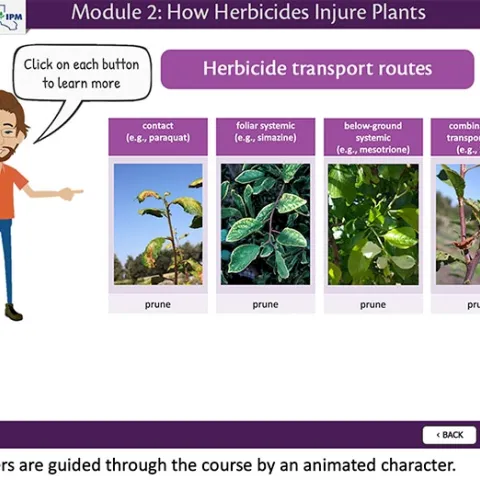
New online course on diagnosing herbicide injury now available Petr Kosina, UC Statewide IPM Program A brand-new online course on Diagnosing Herbicide Injury focusing on how an herbicide injury situation can arise, what information can help diagnose symptoms during field investigations, and what too...
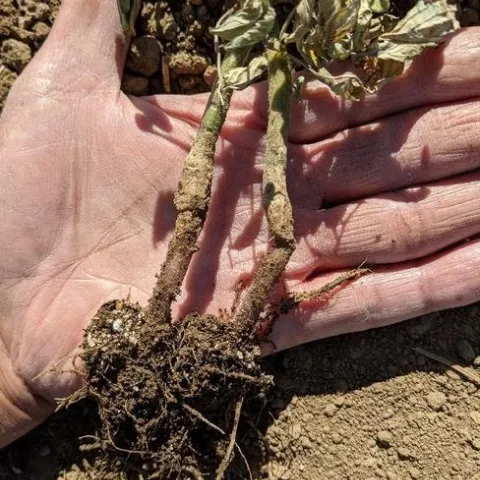
Root-inhibiting herbicides (like pendimethalin or trifluralin) are soil-applied and pre-plant incorporated as a standard practice for conventional processing tomatoes in the Sacramento Valley.