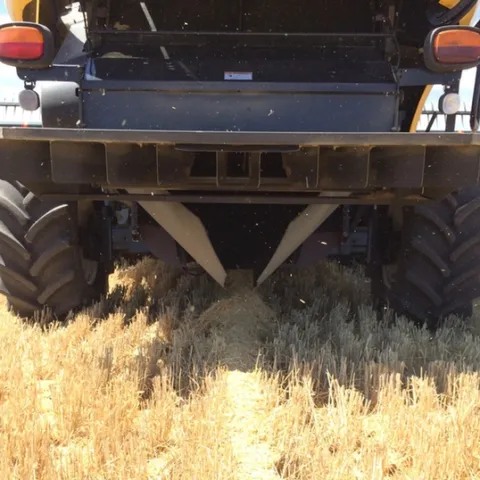
Concerns about a growing resistance to herbicides In Mediterranean or arid climates, particularly in areas with marginal soils, crop rotations are often limited to a narrow range of hay, pasture, a handful of winter legumes, or rainy-season grasses.
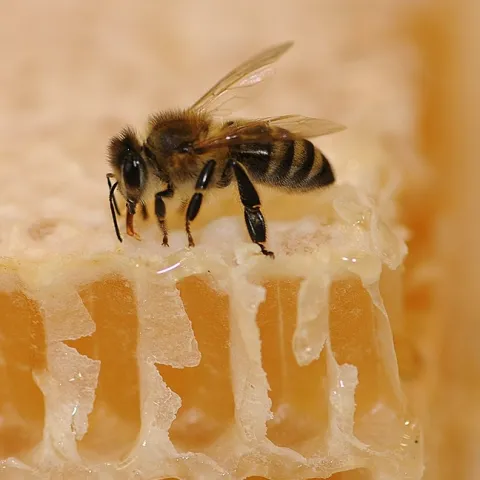
Honey, what's going on with the honey? If you're a beekeeper, a food retailer, in honey production or just want to know more about honey adulteration and food authenticity and what you can do about it, this one's for you.
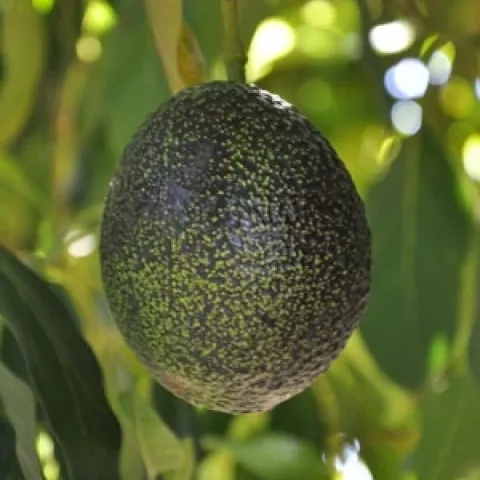
Virtual Avocado Field Day 2021 Zooming to Healthier Trees and Soils April 14, 2021 (1 - 3pm) REGISTER BY CLICKING HERE Presented in partnership with the California Avocado Society, Inc.
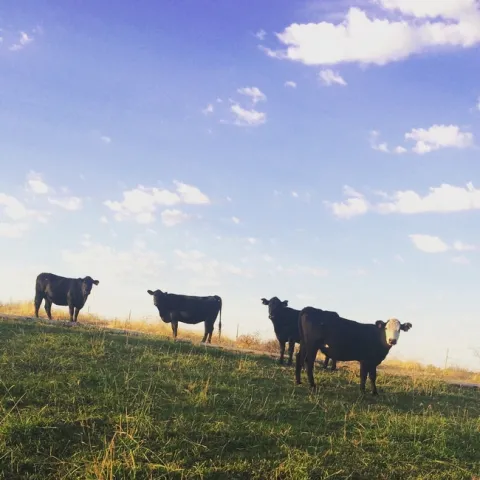
Short- and Long-term Stock Water Strategies On a day that started with a long-overdue rainstorm here in Auburn, I received word that USDA Secretary Tom Vilsack had declared a drought disaster in 50 of California's 58 counties including Placer, Nevada, Sutter, and Yuba.
From the Weeders of the West (WoW) blog March 11, 2021 Marcelo Moretti is a Professor in the Dept. of Horticulture at Oregon State University and an alumnus of UC Davis and California State University, Fresno.
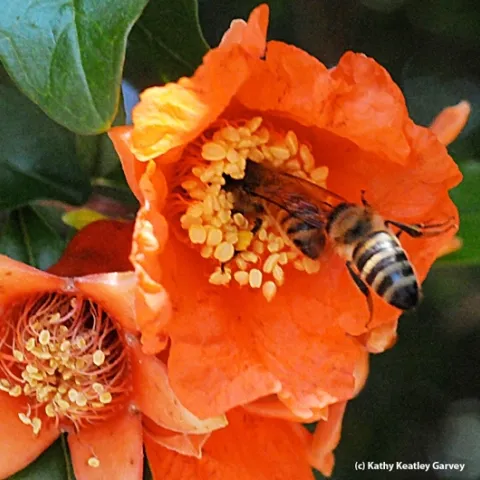
"Honey bees contribute nearly $20 billion to the value of U.S. crop production," according to the American Beekeeping Federation's Pollination Facts. "This contribution, made by managed honey bees, comes in the form of increased yields and superior quality crops for growers and American consumers.
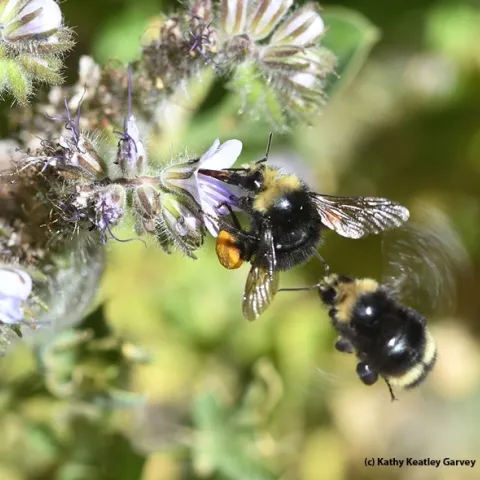
When you think of "journeys," you may think only of expeditions, crossings, tours, treks and passages. You should also think about "pollination journeys.
Community ecologist Romina Rader of the University of New England's School of Environmental and Rural Science, will speak on "The Journey to Effective Pollination" at the UC Davis Department of Entomology and Nematology's virtual seminar on Wednesday, March 10.