UC ANR is committed to providing an accessible and inclusive web experience for all users. If you encounter an accessibility barrier or need content in an alternative or remediated accessible format, please contact anraccessibility@ucanr.edu.
Newly published research by an international team of scientists, including UC Davis entomologist and co-author Diane Ullman, promises to be an important resource on the genome analysis of the western flower thrips, an invasive global agricultural pest that feeds on plants and is considered a superve...
The false chinch bug (FCB), Nysius raphanus (Hemiptera: Lygaeidae), is a pest of many plants. FCB is a generalist and has been found to be a problem in many cropping systems such as soybeans, quinoa, tobacco, cotton, broccoli and other Brassicaceae plants.
Wednesday, October 28, 2020 6 p.m. (via Zoom) The University of Cooperative Extension (UCCE) is organizing an informational meeting on forming a Rancher's Fire Safe Council in the Sierra Foothills and beyond on Wednesday, October 28, from 6-7:30 p.m.
As the sustainability of agriculture continues to be threatened by changes in climate, pests and loss of biodiversity, the ancient practice of planting hedgerows with edible and medicinal species such as elderberry can help growers generate additional revenue while fostering beneficial insects and i...
Not everything you see on a tree's bark is disease, although that's usually the first thought of a plant pathologist. Below are bacterial canker and black streak which are both significant problems in some California avocado orchards. Their cause is normally an issue of water/salt management.
The good, the bad, and the bugly... Don't miss the UC Davis Bohart Museum of Entomology virtual open house on alfalfa and rice from 11 a.m. to noon on Thursday, Oct. 22.
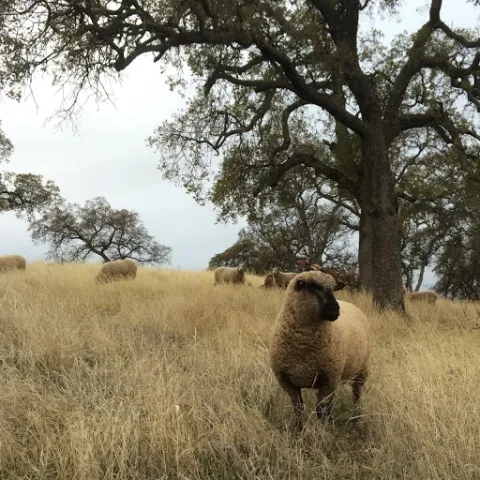
Improved soil health, increased profitability, and reduced spread of wildfire are among the many benefits that arise from keeping livestock on the landscape. Efforts are underway in California and South Dakota to connect landowners with livestock managers for their mutual benefit.