This is our second in a series of blog posts on improving nitrogen (N) use efficiency in California small grains. This post focuses on the use of N-rich reference zones to assess in-season N status and make management decisions based on crop need.
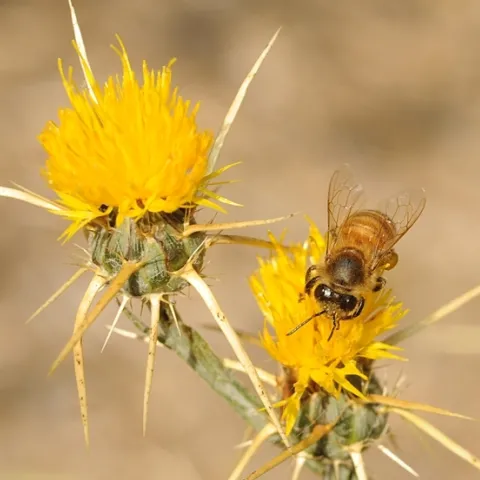
Picture this: A honey bee foraging on yellow starthistle (Centaurea solstitialis), an invasive weed that farmers absolutely hate but one that beekeepers, honey enthusiasts and mead makers absolutely love.
General situation: Things have warmed up recently. Our reference weather station for Fresno is running about 3 days ahead of last year and a week ahead of the 30-year average for heat accumulation, so far this season.
General situation: Things have warmed up recently. Our reference weather station for Merced is running about a week ahead of the last of year and a whole 12 days ahead of the 30-year average for heat accumulation, so far this season.
General situation: Things have warmed up recently. Our reference weather station for Stanislaus is running about a 6 days ahead of the last year and 4 days ahead of the 30-year average for heat accumulation, so far this season.
General situation: Things have warmed up recently. Our reference weather station for Eastern San Joaquin is running about a week ahead of the last couple of years and the 30-year average for heat accumulation, so far this season.
General situation: Things have warmed up recently. Our reference weather station for Western San Joaquin is running about a week ahead of the last couple of years and the 30-year average for heat accumulation, so far this season.
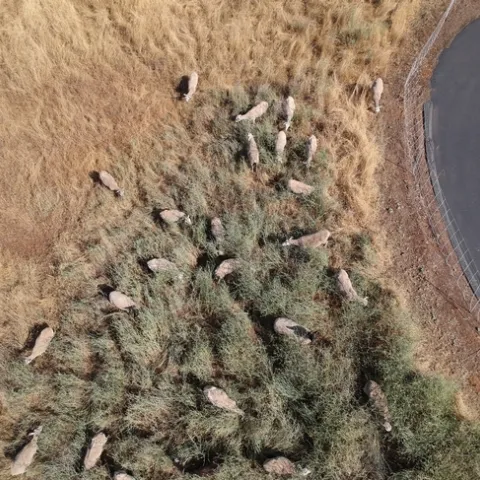
When we were in the targeted grazing business, I always marveled that many landowners and land managers didn't start thinking about managing their fuel loads until the grasses and other fine fuels really started growing in April.