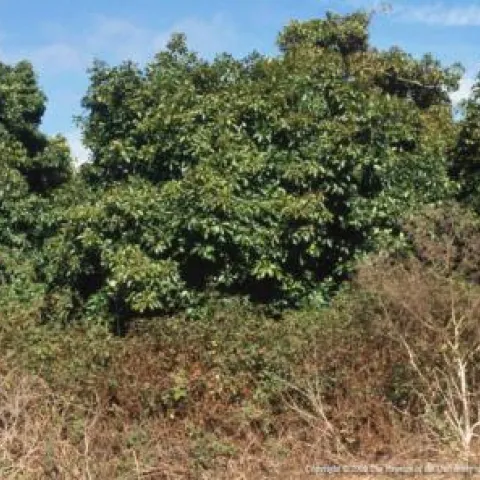
Oaks and Oak Woodlands Explained Natural History of the Central Coast Bioregion (adapted from Gregory Ira's announcement: https://ucanr.edu/blogs/blogcore/postdetail.
During these unprecedented times of having to practice social distancing, the University of California Cooperative Extension's (UCCE) Climate Smart Agriculture -Community Education Specialists (CES) are still here to help you! We have continued to diligently provide technical assistance to farmers a...
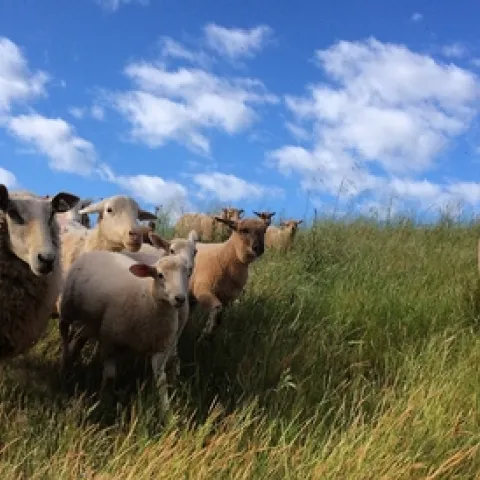
With many of us continuing to shelter-at-home during the COVID-19 crisis, I wanted to let you know about some upcoming virtual workshops and podcasts I have scheduled! I hope you'll join us! Ranchers Virtual Coffee Hour (Tuesday, May 5, 2020 6:30 a.m.
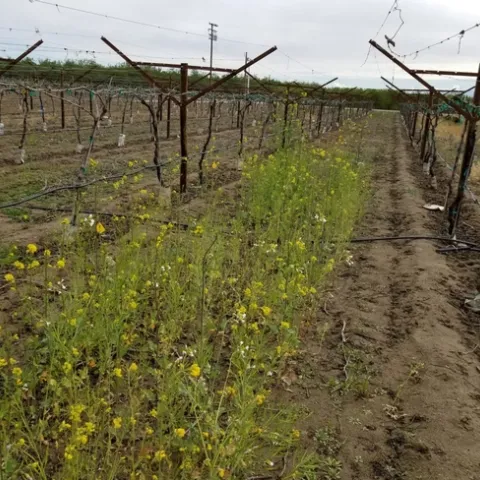
Growers throughout the country and around the world plant a wide range of cover crops for a variety of reasons. Cover crops can reduce soil compaction, improve water infiltration, improve soil structure, and feed soil microbes: they encourage a healthier and more diverse soil ecosystem.
I just came across a wonderful summary of the different methods that can be used to schedule irrigations based on plant sensors. In th past this is has been labor intensive and not easily adapted to commercial agriculture.
UC Cooperative Extension (UCCE) San Bernardino County Master Gardeners Jillian Kowalczuk and Adam Wagner's passion and enthusiasm for gardening, agriculture, and the UCCE San Bernardino County Master Gardener program made for a lively and fascinating interview recently! They want people to know that...
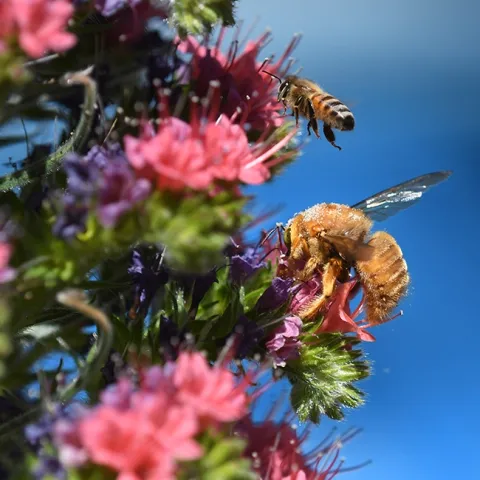
So here I am, a male Valley carpenter bee, Xylocopa varipuncta, just enjoying the nectar on this tower of jewels, Echium wildpretii, in Vacaville, Calif. Some folks call me "The teddy bear bee." Yes, I like that nickname.
Note: This post was adapted from my Foothill Agrarian blog. I've read a number of Twitter threads over the last six weeks that have been focused on supporting local farmers and ranchers during the COVID-19 crisis.
University of California researchers and program staff are working to answer questions and provide information and resources relating to the food system and COVID-19.