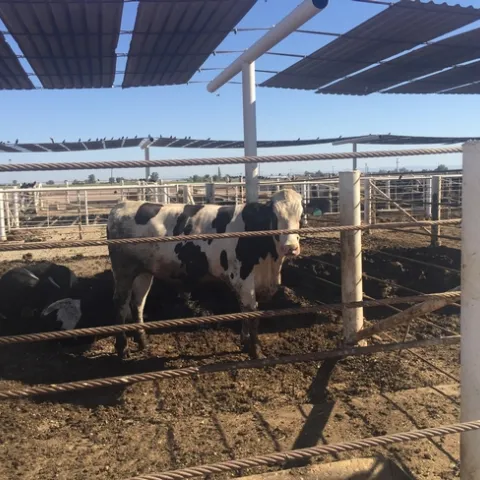
You know you have reached the Imperial Valley, located on the southeastern bottom corner of California, when you begin to smell (not carne asada, but you're close) the distinct aroma of cow manure.
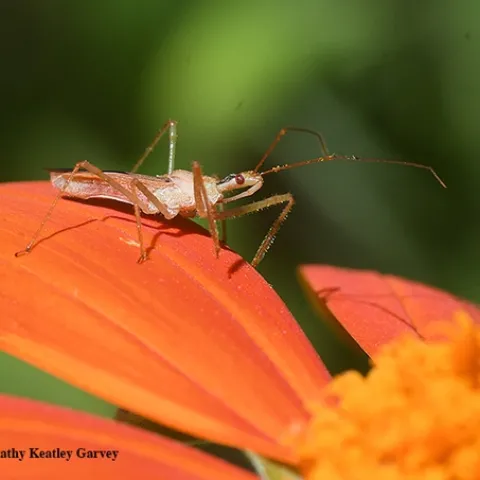
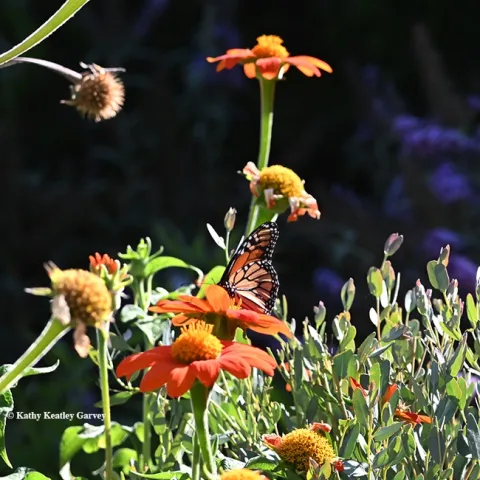
A pollinator garden is a study in diversity--and of inclusion and exclusion. The residents, the immigrants, the fly-bys, the crawlers, the wigglers, the jumpers. The big, bad and bugly. The prey and the predators. The vegetarians and carnivores.
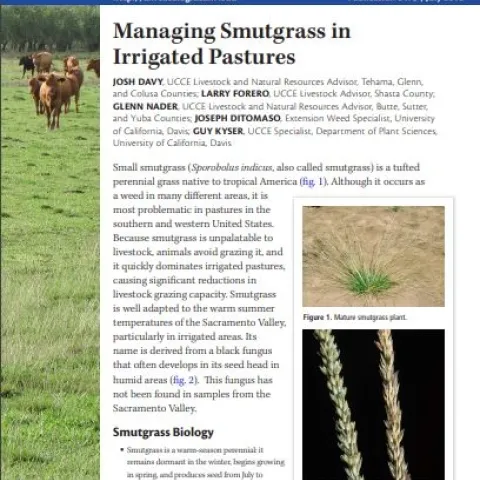
Smutgrass (Sporobolus indicus) is a warm-season perennial grass native to the tropics. Since it is well-adapted to warm summer temperatures, we seem to be seeing more of it on foothill and Sacramento Valley irrigated pastures.
A strawberry field in Nipomo (Photo by Surendra Dara) The traditional Integrated Pest Management (IPM) model is focused on maintaining ecological balance in the cropping system with some attention to the economics of pest management related to the yield losses.
Good nutrient management is essential not only for optimal plant growth, but also for maintaining good plant health and the ability of the plant to withstand biotic and abiotic stressors. Strawberry, a $3.
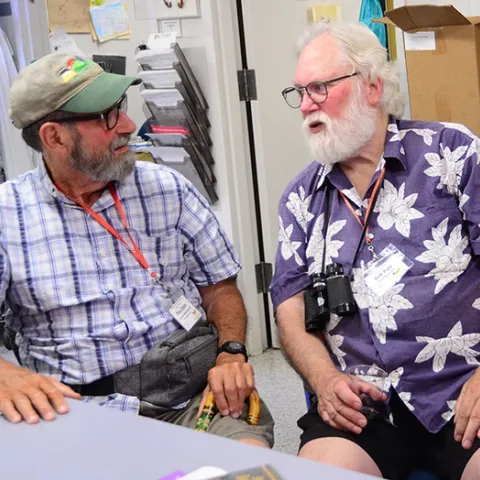
They are legends. Two of those attending the four-day international Lepidopterists' Society conference held recently at the University of California, Davis, are as celebrated in Lepidoptera circles as the butterflies they study.
Keeping global warming below 2 degrees C (3.6 F) can be achieved only by reducing greenhouse gas emissions from all sectors, including land and food, said the United Nations' Intergovernmental Panel on Climate Change in a report released Aug. 8, 2019.
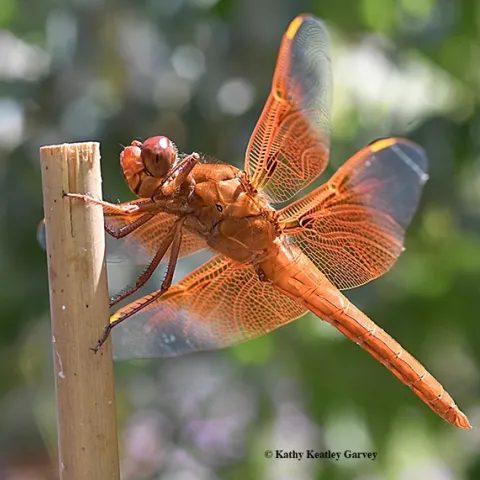
How magical are the dragonflies. They zig-zag through the pollinator garden, a perfect portrait of a predator: multifaceted eyes, strong wings, and mouthparts that include a toothed jaw and flap like labrium.
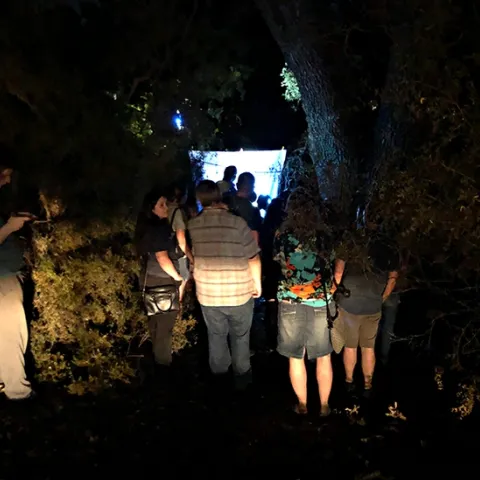
Oh, what a (Moth) Night! It was a family night in more ways than one. Families who attended the Bohart Museum of Entomology's annual Moth Night last Saturday, Aug. 3, not only saw specimens from scores of insect families inside the UC Davis insect museum, but outside as well.