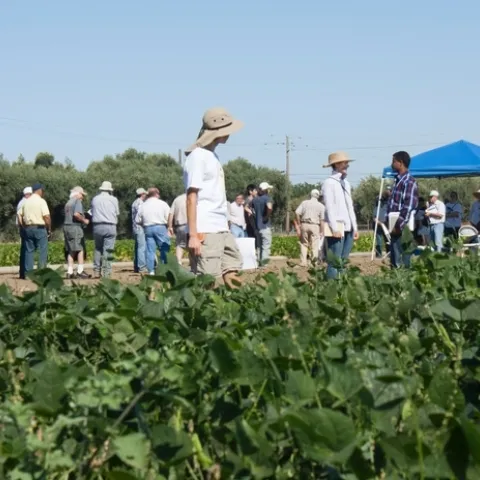
UC Davis Agronomy Farm Directions: In the field across from the UC Davis Bee Biology Lab (same place as previous years). From Hwy 113 in Davis, exit on Hutchison Dr. Go west, turn north at the first roundabout, then west at the second roundabout. Continue west on Hutchison Dr for about 1 mile.
The ongoing international trade turmoil between the U.S. and other countries has prompted import tariffs on many U.S. agricultural commodities in important export markets, which could hurt U.S. farmers.
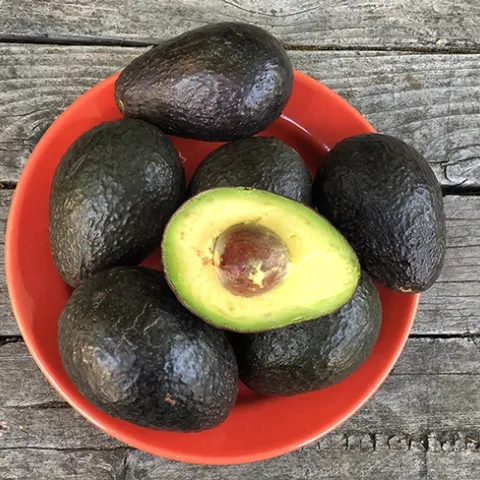
If you're like most of us, you go bananas for a banana for breakfast. It's healthy, nutritious and packed with potassium. But wait! You should probably go bananas for another fruit--that pear-shaped avocado. Did you know the avocado provides more potassium than a banana? It does.
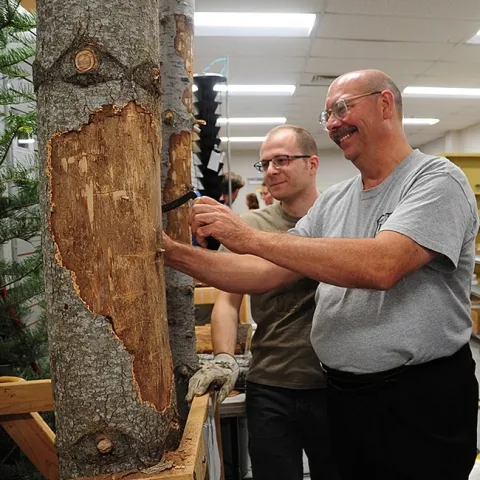
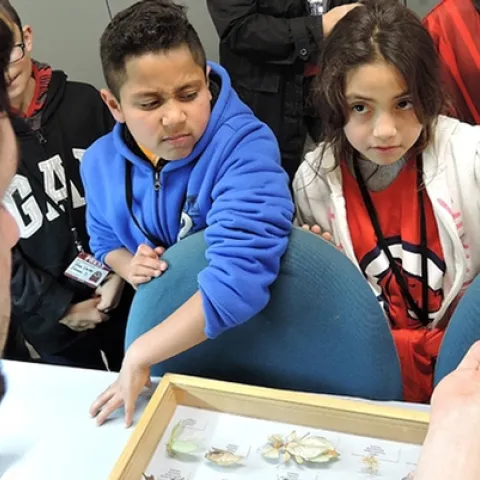
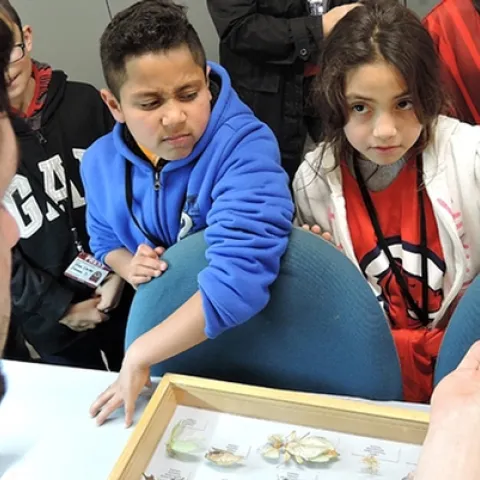
Talk about extremes! Have you ever thought about how some insects have adapted to fire, ice, acid, hot water, salt and the desert? Have you ever seen an ambrosia beetle, a red turpentine beetle, an ice cricket, a brine fly or a sand wasp?
The UC Davis Bohart Museum of Entomology will emphasize "fire and insects" when it hosts an open house, Extreme Insects: Fire and Ice, on Sunday afternoon, Aug. 19. The public event, to take place from 1 to 4 p.m.
Six communicators affiliated with the University of California, Davis, or the University of California Division of Agriculture and Natural Resources (UC ANR) received a total of 10 awards for excellence at the 2018 conference of the international Association for Communication Excellence in Agricultu...
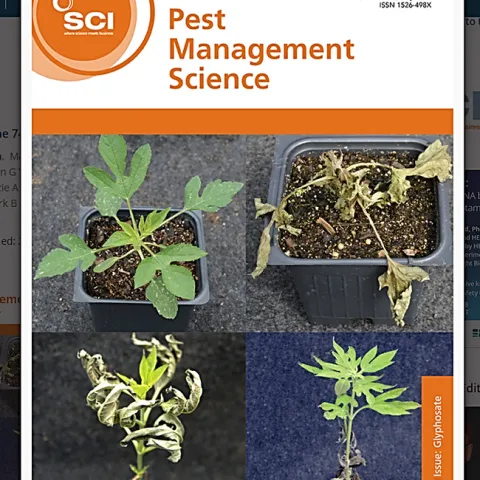
Glyphosate was commercialized in 1974. Since then, it has become one of the most widely used (and studied) herbicides. According to Duke (2018b), almost 20,000 scientific publications and patents have included glyphosate as a focus; only 2,4-D surpasses it with respect to citations.
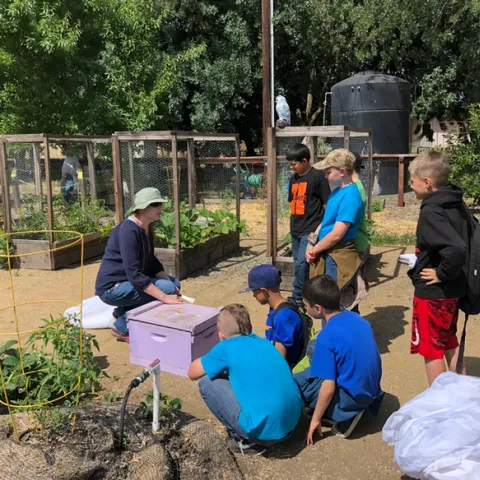
Postdoctoral scholar Laura Brutscher of the Elina Lastro Nio lab, University of California, Davis, kneels by an educational beekeeping display: a beehive, a smoker, a hive tool and beekeeper protective gear.
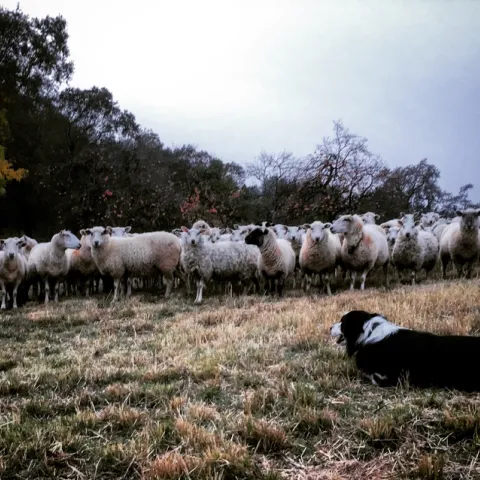
Earlier this week, we started to see some signs that some of our feeder and replacement ewe lambs where infected by barber pole worms, a parasitic stomach worm fairly common in sheep that are grazing on irrigated pasture during the summer months.