UC ANR is committed to providing an accessible and inclusive web experience for all users. If you encounter an accessibility barrier on this or need content in an alternative or remediated accessible format, please contact anraccessibility@ucanr.edu.
As we come to the close of the 2024 growing season there is time to think about how to improve in the upcoming year. Please consider implementing some of these tips on irrigation management as you prepare for the 2025 season.
By Manjul Dutt, Sheetal Ramekar and Gary England The grapefruit was created by chance from a cross between a pummelo and a sweet orange. It was first discovered in Barbados in the 18th century. All the commercially sold grapefruits today trace their roots back to the Duncan variety of grapefruit.
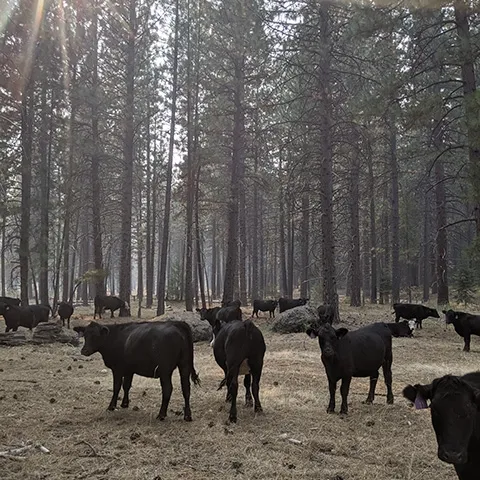
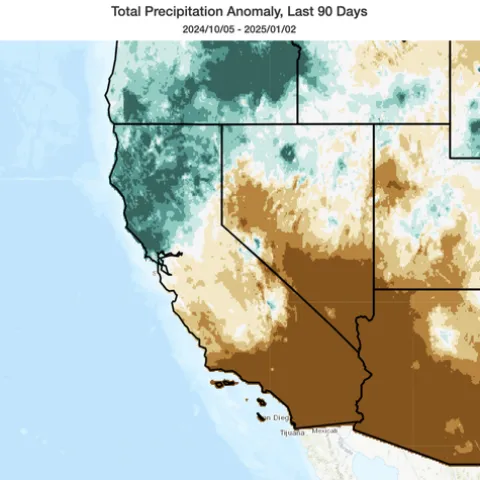
California ranchers benefit when they plan ahead for extreme weather variability, according to rancher surveys and interviews conducted by a team headed by Leslie Roche, a professor of Cooperative Extension in the UC Davis Department of Plant Sciences.
UCANR Innovate, the innovation arm of the University of California Agriculture and Natural Resources, has opened applications for its VINE Connect program.
Modoc County, home to 8,500 people and tucked in the remote northeastern corner of California, has been a leader in advancing organic agriculture through its significant ranching and agronomic crop production, namely of potatoes and hay.
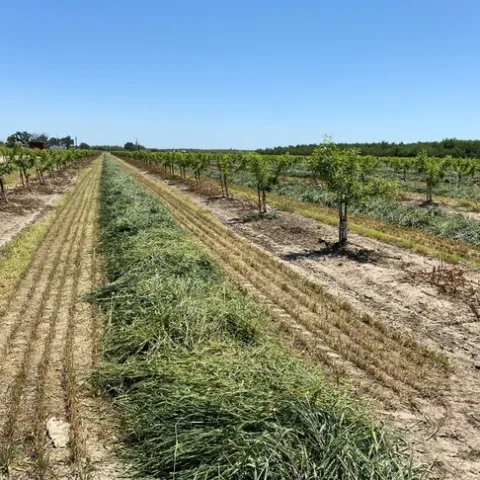
by Becky Wheeler-Dykes, UCCE Glenn Orchard Systems and Weed Ecology Farm Advisor Recent research has shown many potential benefits of utilizing whole orchard recycling (WOR) when removing an orchard.
You are invited to be an active part of the future of Kearney REC and connect, learn about recent research, hear from UCANR leadership, voice concerns and offer valuable inputs toward the future of a valuable asset to California agriculture.