UC ANR is committed to providing an accessible and inclusive web experience for all users. If you encounter an accessibility barrier or need content in an alternative or remediated accessible format, please contact anraccessibility@ucanr.edu.
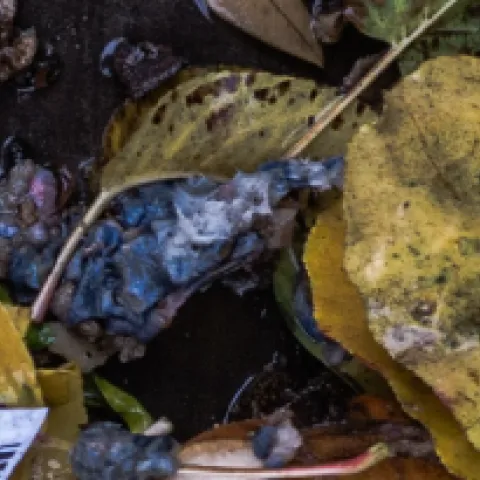
Frost injures plants by causing ice crystals to form in plant cells. This makes water unavailable to plant tissues and disrupts the movement of fluids. Frost-damaged leaves appear water-soaked, shrivel, and turn dark brown or black.
Invasive plants are one of the greatest threats to croplands, rangelands, aquatic areas, and wildlands in the United States; they degrade the productivity and biological diversity of all ecosystems. Below are the sixteen most harmful weeds in Humboldt County.
Have a sick plant, an ailing tree, mysterious spots on leaves? Chat with a Santa Clara County UC Master Gardener via Zoom to diagnose your plant problems. You can also listen and learn while other people ask their questions. Priority will be given to questions emailed in advance.
Learn how to identify, manage and attract beneficial insects, including soldier beetles. Protect the good insects that feed on the pests and pollinate plants.
Wilted, drooping leaves are signs of heat stress in plants. Photo credit: Pikist.com Plants are sensitive to both air and soil surface temperatures. Temperatures ranging from 60 to 85F are optimum for plant growth and development.
The UCCE Entomology Research and Extension program is entrusted with developing and implementing targeted research and education programs on managing insect pests of vegetables, forage crops, field crops, and specialty crops in Imperial County.
Our Help Desk is here to answer gardening questions for Santa Clara County residents. Please review our plant diagnosis questions before contacting us. It will help you gather information so we can better assist you. For many issues, our Garden Help pages or the UC Integrated Pest Management website may give…
Find out why mushrooms are appearing in your garden, their causes, role in soil health, and if they’re harmful or beneficial to you, pets, and your plants.
Richard Bell, Unsplash Most landscape plants will survive a few days of flooding. Photo credit: Iowa State University Plant roots need air too. Good garden soil contains a network of pore spaces filled with water and air. Both are necessary for healthy roots and beneficial soil-dwelling organisms.
About Master Gardeners
Our mission as University of California Master Gardener volunteers is to extend research-based sustainable gardening and composting information to the public through various educational outreach methods. We strive to present accurate, impartial information to local gardeners so they…