So here we have two cabbage white butterflies, a male and a female, fluttering around the catmint (Nepata) and lavender (Lavendula) in our pollinator garden.
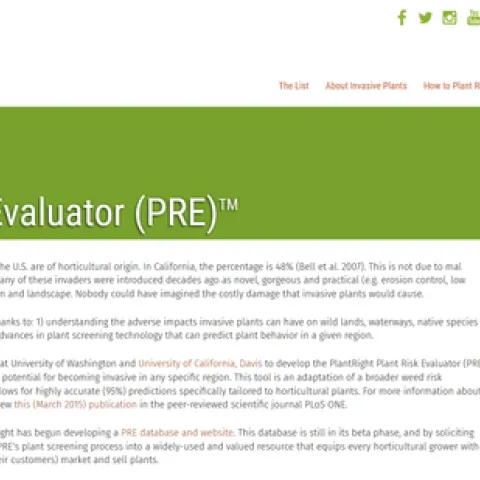
Marie Jasieniuk is a professor with the Dept. of Plant Sciences at UC Davis. A major pathway of introduction of non-native invasive plants into new geographical areas is the global horticultural trade in ornamental plants.
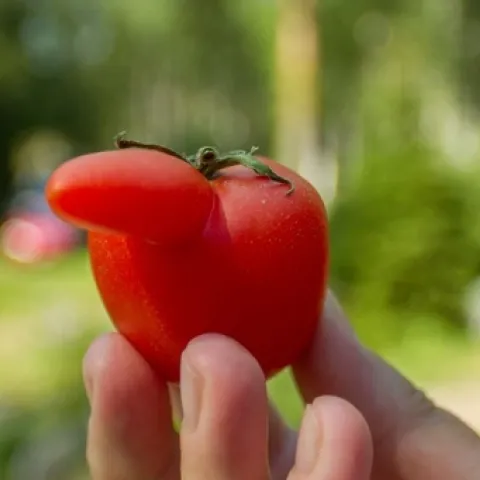
Originally published in the Summer 2021 issue of Utah Pest News. Many problems that gardeners experience with tomato plants are not related to insect pests or diseases. Rather, they are associated with adverse growing conditions due to the environment or production practices.
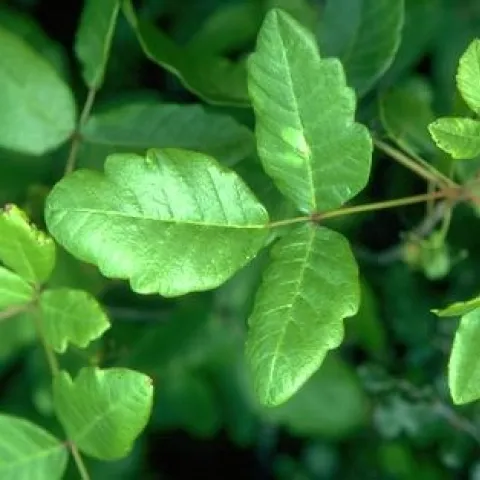
Poison oak is a common native plant in California, growing everywhere from oak woodlands to urban parks. Chances are, you or someone you know has suffered from a rash due to poison oak at some point. The best way to avoid exposure to poison oak is knowing how to identify it.
By Tunyalee Martin, Cheryl A Wilen, Thomas J Getts
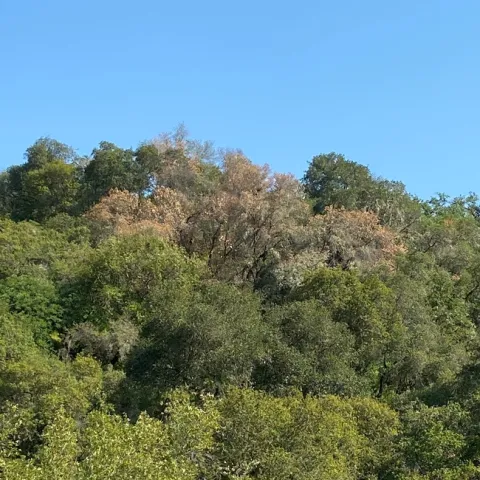
California has abundant wildlands forests, rangeland, open areas, wildlife refuges and national, state, and local parks that need protection from invasive plants.
ANR Environmental Horticulture (EH) academics develop and extend research-based information to producers and end-users of landscape, nursery, turfgrass, and floriculture plants.
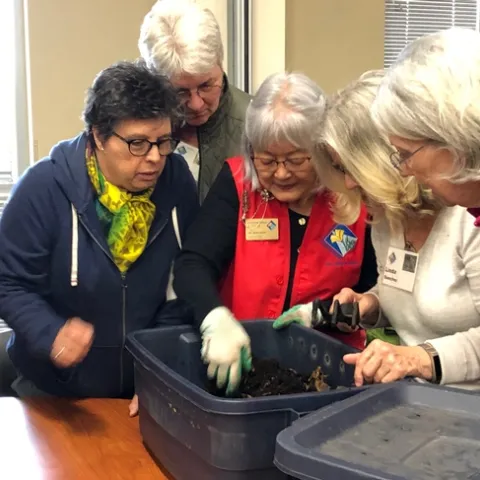
Are you interested in helping others and giving back to your community? Do you have a passion for gardening and volunteering? The UCCE Stanislaus County* Master Gardener Program is now accepting applications for 2022.
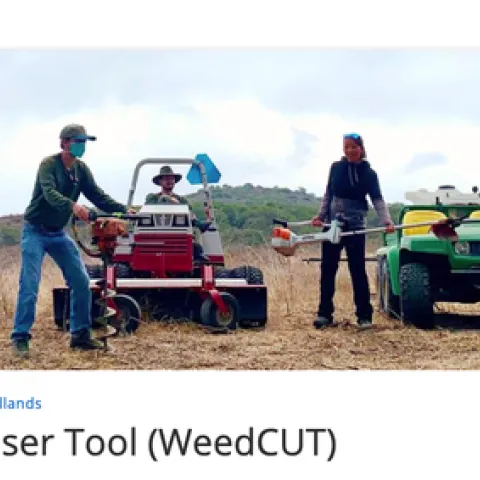
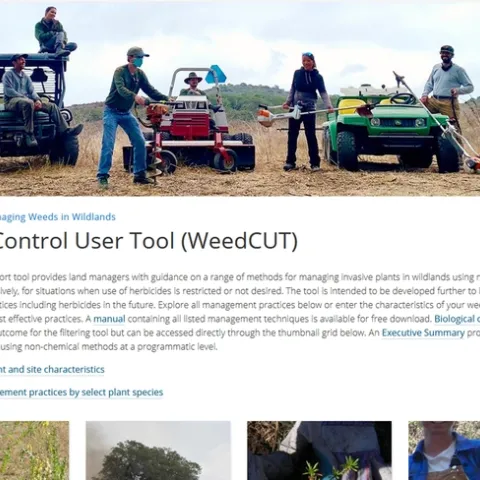
I wanted to give a shout-out to a recent blog posted by Tunyalee Martin with UC IPM. The blog post announces a new online interactive tool for controlling wildland weeds with non Chemical methods.
When you think of pollinators, you think of bees, right? And well you should: honey bees are the global workhorses of the pollination community and pollinate about one-third of the food we eat, including fruits and vegetables and some nuts, primarily almonds (California's almond acreage exceeds 1.