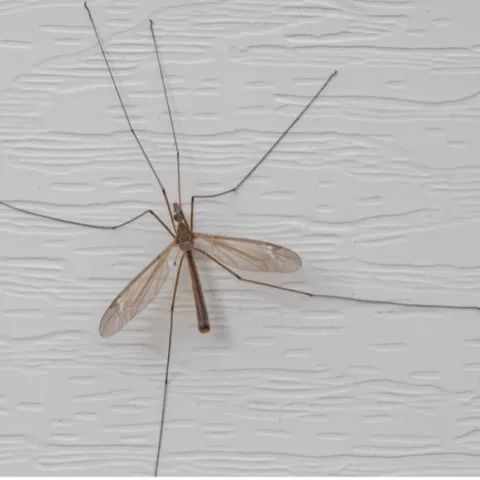
Lately you may have seen some large, leggy insects bumbling around on your home, bouncing off walls and ceilings. What are these? While many people call them mosquito eaters or mosquito hawks, they are actually crane flies. And unfortunately, they do not eat mosquitoes.
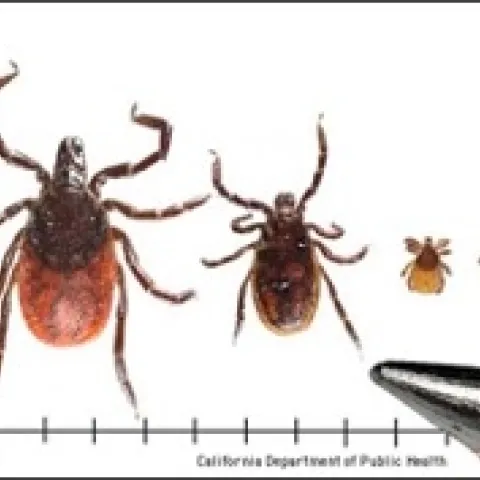
In honor of Lyme Disease Awareness Month and in response to some misinformation about ticks on social media recently, we'd like to share some tick and Lyme disease facts. Ticks can spread several diseases to humans and pets, but Lyme disease is the most common.
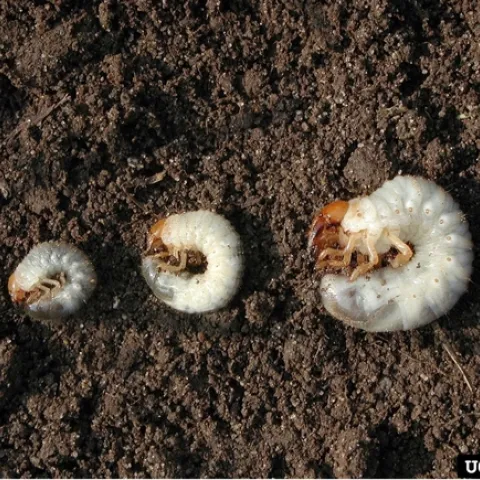
You may be noticing white grubs in your compost piles, lawns, or garden beds. These white, c-shaped critters can be 1/4 inch long or 2 inches long, depending on the species.
African trypanosomiasis, also called sleeping sickness, is a disease caused by a parasite. People can get this parasite when an infected Tsetse fly bites them. Symptoms include fatigue, high fever, headaches, and muscle aches. If the disease is not treated, it can cause death.
The late UC Berkeley professor John Edward Casida (1929-2018), internationally recognized for his work on pesticides and their effects on humans, was the pesticide toxicologist of his generation, based on his research, his leadership and the impact of the many alumni from his laboratory.
Make way for the beetles! Lady beetles, green fruit beetle larvae, and stick-on bug tattoos drew inquisitive and appreciative crowds when the UC Statewide Integrated Pest Management Program (UC IPM) staffed an informational booth at Briggs Hall during the 109th annual UC Davis Picnic Day.
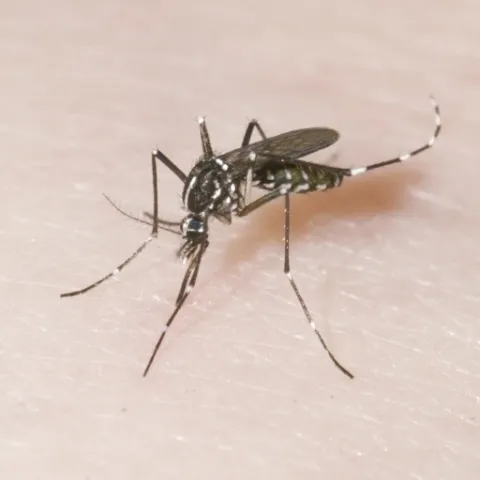
Mosquito Awareness Week, observed April 16 - 22, 2023, educates California residents about mosquitoes and how to help prevent the spread of mosquito-transmitted diseases.
Adaptado al espaol The University of California, Davis, is releasing five new strawberry varieties that are resistant to the soilborne disease Fusarium wilt, have high yields and improved fruit quality.