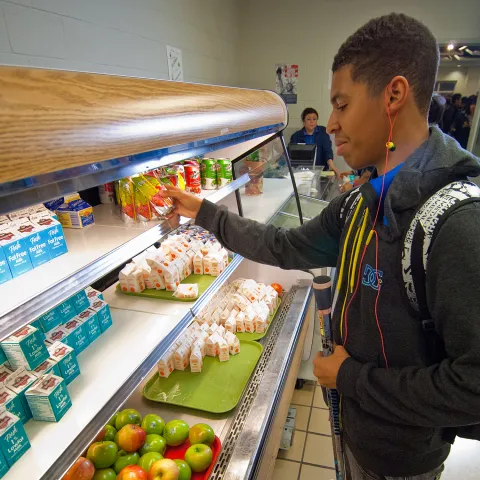
A new Nutrition Policy Institute research brief summarizes a 2026 study: “Measuring change in school-based practices that promote children’s healthy eating and active living: A psychometric study.” This study evaluated the ability of the previously validated School Site-Level Assessment Questionnaire, or…
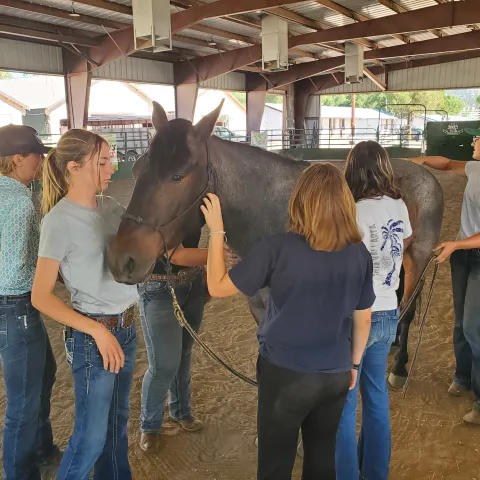
The 4-H Range and Mustang Camp is August 6-8 at Blue Lake Camp in the Modoc National Forest. Youth ages 9-18 will learn about managing public lands, rangelands, wild horses and burros.
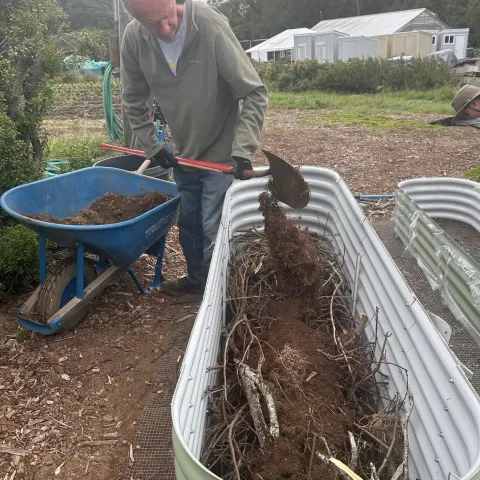
At the EDG Row 1 and 2 are closest to the hedge that is home to rabbits, squirrels, quail and numerous other creatures that love to devour our crops. Our tried and true methods for protecting our tender seedlings with hardware mesh on the bottom and protective netting on the top have been regularly defeated…
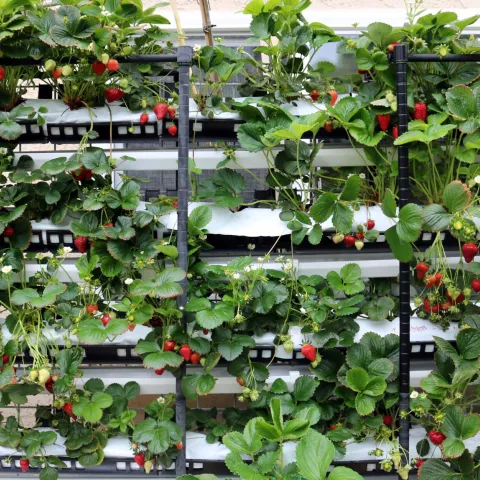
What if fresh vegetables could be grown without soil and in spaces as small as an apartment balcony? That question inspired the UC Master Gardener Program of Orange County's innovative hydroponics project, which earned first place in the 2026 Search for Excellence competition. UC Master Gardener volunteers…
Advancing Water Equity Across CaliforniaWater systems are both technical and social infrastructures. Across California, disparities in access, affordability, infrastructure reliability, water quality, and exposure to environmental risk continue to affect communities differently. Addressing these…
-Ranchers' Perspectives and Management Strategies for Drought, including links of interest regarding drought, key drought publications, and UC Sierra Foothill Research & Extension Center Drought Workshop Materials Rangeland Watershed Laboratory-managing for Drought...
This section contains archived content made available for reference, research, or record keeping purposes. These materials are not actively maintained and may not meet current accessibility standards, such as WCAG 2.1 Level AA. If you need assistance accessing this content or require an accessible format,…