Archive Nut, Prune and Olive Programs

Newsletters


 Newsletter Articles:

May 2025Archived


Field picture submitted by Elizabeth Fichtner

 Links


Publications

Primary Image
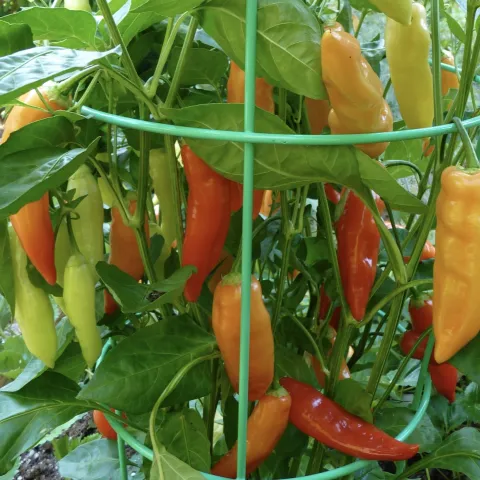
Summer peppers, Candace Simpson
UC Master Gardeners of Santa Clara County: Page

Peppers/chiles

Peppers and chiles are warm weather lovers that range from sweet and mild to fiery hot. Transplant in May to June, possibly late April. For best results, wait until daytime temperatures are regularly over 75°F. If growing your own seedlings, start the seeds 8 weeks before you want to plant.
View Page
Primary Image
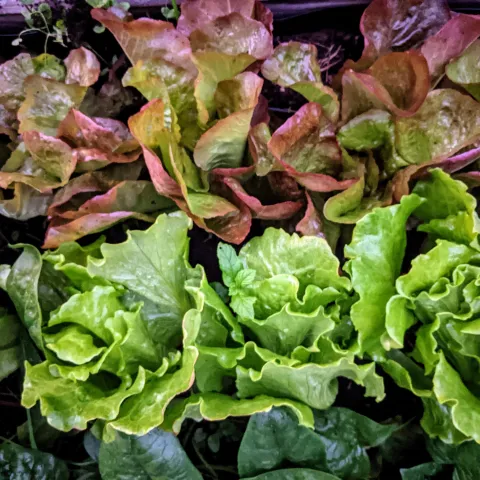
Lettuce by Donna Lee
UC Master Gardeners of Santa Clara County: Page

Lettuce

Lettuce is usually grown as a cool-season crop in Santa Clara County. If grown in the summer, it’s recommended to plant where it will get shade from other crops or trees and to select temperature-tolerant, slow-bolting varieties. Lettuce is a shallow-rooted plant, which requires frequent watering when there…
View Page
Primary Image
Lettuce by Donna Lee
UC Master Gardeners of Santa Clara County: Page

Lettuce

Lettuce is usually grown as a cool-season crop in Santa Clara County. If grown in the summer, it’s recommended to plant where it will get shade from other crops or trees and to select temperature-tolerant, slow-bolting varieties. Lettuce is a shallow-rooted plant, which requires frequent watering when there…
View Page
Primary Image
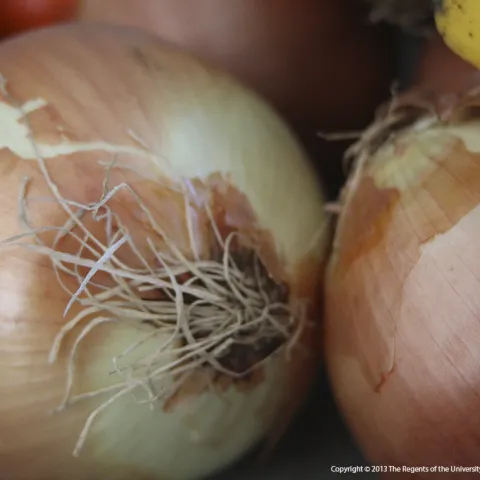
Yellow Onions (Photo: Evett Kilmartin)
UC Master Gardeners of Santa Clara County: Page

Onions

Onions can be divided into two categories: strong-flavored ones that store well and mild, sweet ones that don’t last long in storage. There are yellow, white, and red varieties in both categories.
View Page
Primary Image
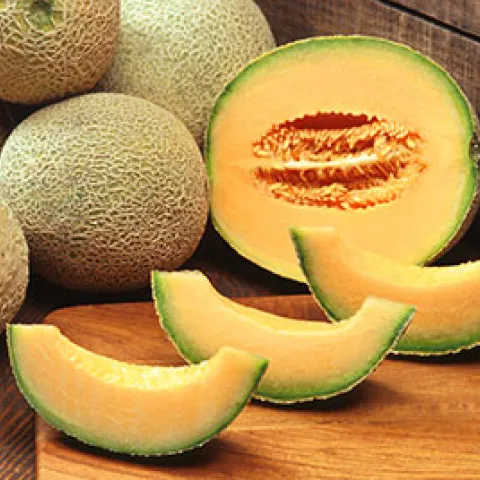
Whole and cut open cantaloupes
UC Master Gardeners of Santa Clara County: Page

Melons

Melons are heat lovers that need full sun and high temperatures. Black plastic or black landscaping fabric can be used to keep the soil warm and weed-free. Cover the plants with floating row covers to keep them warm and protected from pests. Remove the row covers when the plants start to blossom.
View Page
Primary Image
Whole and cut open cantaloupes
UC Master Gardeners of Santa Clara County: Page

Melons

Melons are heat lovers that need full sun and high temperatures. Black plastic or black landscaping fabric can be used to keep the soil warm and weed-free. Cover the plants with floating row covers to keep them warm and protected from pests. Remove the row covers when the plants start to blossom.
View Page
Primary Image
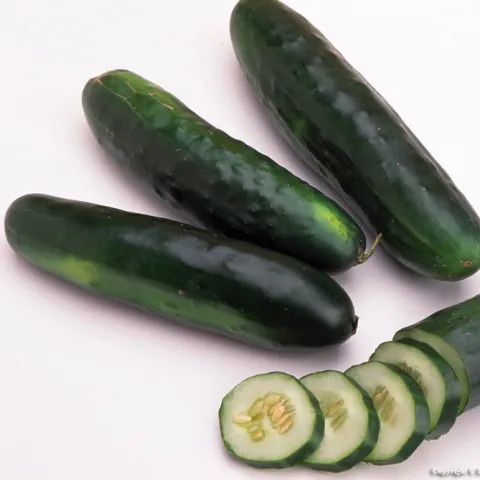
Cucumbers
UC Master Gardeners of Santa Clara County: Page

Cucumbers

Cucumbers are vining plants and members of the cucurbit family. Train vining cucumbers up a trellis, fence or another kind of support for easier harvest, straighter fruits, and to prevent diseases. If your garden lacks pollinators, you can pollinate by hand. Consider planting flowers that attract beneficial…
View Page
Primary Image
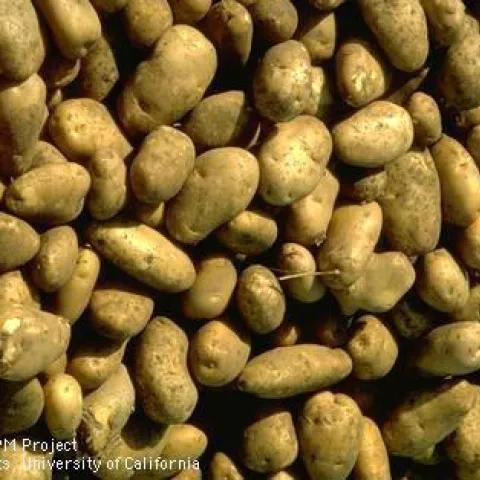
Photo: UC, Jack Kelly Clark
UC Master Gardeners of Santa Clara County: Page

Potatoes

Potatoes are tubers that grow underground from the stem of the plant. While it's possible to grow potatoes from seed, most gardeners plant pieces cut from seed potatoes. Ensure that each cut piece includes an 'eye'. Allow the pieces to dry for 1 to 3 days before planting. Use certified seed potatoes rather…
View Page
Primary Image
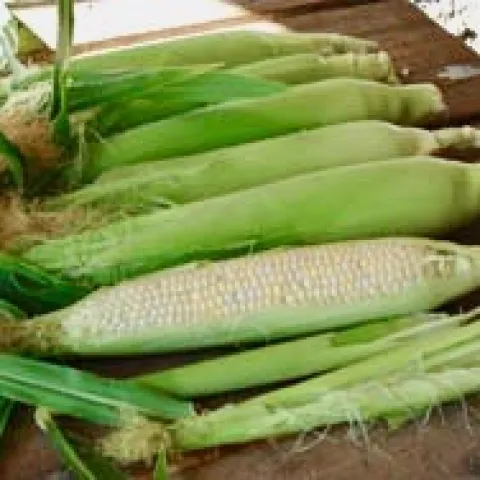
Harvested corn, Peaches and Cream variety
UC Master Gardeners of Santa Clara County: Page

Corn

Sweet corn harvested straight from the garden is a delicious treat, but can be challenging for home gardeners to grow. Corn is wind-pollinated, so planting in blocks of at least 3 to 4 short rows may result in better pollination than one or two long rows. Each stalk produces one or two ears.
View Page
Primary Image
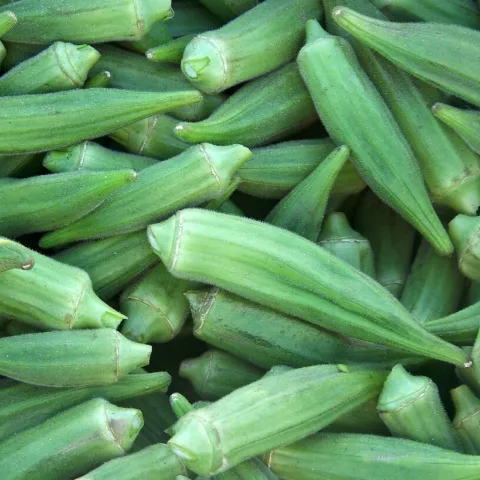
Photo: UC, Jose Aguiar
UC Master Gardeners of Santa Clara County: Page

Okra

Okra grows on tall, bushy plants with ornamental leaves and flowers. The red varieties are particularly dramatic in the garden. Both the air temperature and the ground must be warm for this heat lover to thrive. Tall varieties may need to be staked.
View Page