Archive Nut, Prune and Olive Programs

Newsletters

 Newsletter Articles:

May 2025Archived
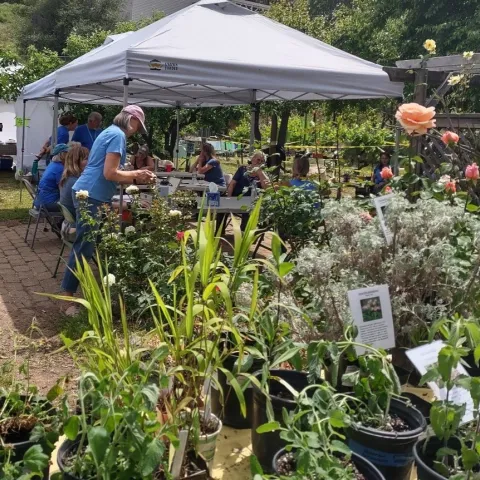
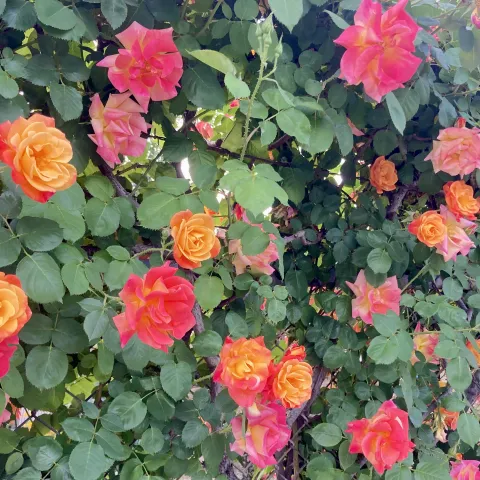
Field picture submitted by Elizabeth Fichtner

 Links

Publications

UC Master Gardener Program of Contra Costa County: Article

Appendix.3. Garden Chemicals Safe Use & Disposal

May 6, 2026
By CoCoMG Helpdesk
Vegetable Gardening - Handbook for Beginners Appendix 3.Pesticides (insecticides, herbicides, and fungicides) are designed to be toxic to the pests they target. When used properly, pesticides can protect your plants or home from damage. However, when the label instructions aren’t followed correctly, plant…
View Article
UC Master Gardener Program of Contra Costa County: Article

Appendix.2. Principal Parts of a Flower

May 6, 2026
By CoCoMG Helpdesk
Vegetable Gardening - Handbook for Beginners Appendix.2. Petals Petals attract insects with their colors. These help in pollination. Sepals Sepals are small, green, leaflike structures on the base of the flower that protect the flower bud. The sepals collectively are called the calyx…
View Article
Primary Image
A mayfly lands on an artichoke blossom. (Photo by Kathy Keatley Garvey)
Bug Squad: Article

The Art of Tying a Fly

May 6, 2026
By Kathy Keatley Garvey
 "Want to learn how to tie a fly?"That's what the Fly Fishers of Davis ask as crowds pass by their table in the Briggs Hall courtyard every UC Davis Picnic Day.Briggs Hall is the home of the UC Davis Department of Entomology and Nematology and the Fly Fishers are an important part of the department's …
View Article
UC Master Gardener Program of Contra Costa County: Article

Appendix.1. Principal parts of a Vascular Plant

May 6, 2026
By CoCoMG Helpdesk
Vegetable Gardening - Handbook for Beginners Appendix.1. The Root The first root to develop is the primary root. The lateral roots, or secondary roots, branch off from the primary root. Root hairs are finger-like extensions that enlarge the root’s surface area. Plant roots have several functions:…
View Article
UC Master Food Preservers of Central Sierra: Article

Preserve it! Series: Leftover Lifetimes - Time and Temps for Keeping Food Safe

May 6, 2026
When in doubt, throw it out! Leftovers can be a lifesaver when you need a meal in a hurry, but unfortunately they don’t last forever. Or even a long time. And no, turning leftovers into another kind of leftover does not extend the life of the original food. Keeping food at proper temperatures and…
View Article
UC Master Food Preservers of Central Sierra: Article

Preserve it! Series: Canning with Monk Fruit Sweetener is Not Recommended

May 6, 2026
There has been no testing with monk fruit sweeteners to determine their effects on pH Monk fruit sweetener is becoming popular amongst people looking for alternatives to sugar. Its sweetness is derived not from traditional fructose sugar molecules in the fruit, but from extracted chemicals that provide…
View Article
UC Master Food Preservers of Central Sierra: Article

Preserve it! Series: Defining Pressure Canner Capacity

May 6, 2026
Canning basics: The difference between volume capacity and jar capacity. Looking to acquire a new (or used) pressure canner? One consideration when evaluating whether a pressure canner will suit your needs is the size of the device. It’s important to distinguish between volume capacity and jar capacity …
View Article