A Natural Solution for California's Herds: African Catfish Peptides

California's cattle producers and agricultural communities are all too familiar with the rising challenge of antibiotic resistance, making common bacterial infections harder to treat in livestock. But imagine a future where we could tackle these infections with a natural, powerful alternative. Our research points to just that: antimicrobial peptides (AMPs) found in African catfish.

We're really excited about these peptides because African catfish thrive in pathogen-rich freshwater, naturally producing these robust immune compounds in their skin mucus as a defense. This natural origin makes them highly appealing alternatives to synthetic drugs.

Predicted Safety and Potent Action

One of the most compelling aspects of these AMPs is their predicted safety for mammals. Our initial computer analyses suggest that various catfish AMPs are generally recognized as safe (GRAS). We predict they'll be absorbed in the human intestine without causing liver, brain, or heart toxicity. Furthermore, lab tests on a promising peptide, NACAP-II, confirmed it was non-hemolytic, meaning it didn't damage rabbit red blood cells—a strong indicator of its potential safety for mammalian cells.

Beyond safety, these peptides demonstrate effectiveness against problematic bacteria. One study revealed NACAP-II's strong activity against Extended-Spectrum Beta-Lactamase (ESBL)-producing Escherichia coli—a critical concern for both animal and human health due to its resistance to many common antibiotics. Another peptide, ACAP-IV, also showed antibacterial activity against E. coli and Staphylococcus aureus. We believe these AMPs work by directly disrupting bacterial cell membranes, a mechanism that makes it harder for bacteria to develop resistance compared to how they resist traditional antibiotics.

Primary Image
20220304 102102 (3)
UCCE San Bernardino County Consumer and Family Science News: Article

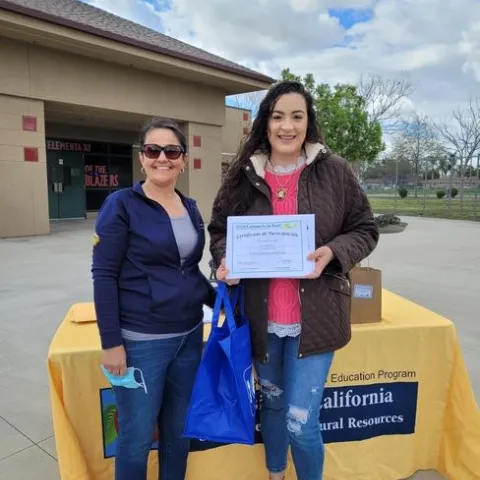
SAREP Grant: Expanding Education to Underserved Communities through UCANR Programs: Expanded Food and Nutrition Education Program, Master Gardener Program, and Master Food Preserver Program

August 29, 2022
By Christine Davidson
Five groups of parents participated in a series of workshops from the Expanded Food and Nutrition Education Program (EFNEP), Master Gardener (MG) and Master Food Preserver (MFP) Programs. The series was part of a grant for the Sustainable Agriculture Research and Education Program (SAREP).
View Article
ANR Contracts & Grants Updates: Article

Center for Produce Safety Request for Preliminary Proposals

August 29, 2022
By Kathleen P Nolan
Dear Colleagues, The Center for Produce Safety (CPS) will be accepting preliminary research proposals starting September 7, 2022. At that time, CPS will announce the 2022 research priorities, proposal development resources, and the application packet.
View Article
ANR Employee News: Article

Expanded student loan forgiveness for UC employees

August 29, 2022
By Pamela S Kan-Rice
Last week President Biden announced an executive order to cancel up to $20,000 in federal student loan debt for all borrowers with an individual income below $125,000 ($250,000 for joint tax filers).
View Article
Primary Image
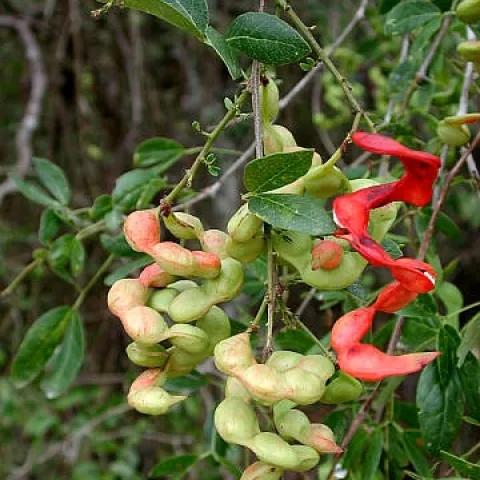
pithecellobium dulce fruit
Topics in Subtropics: Article

Guamuchil anyone? Drought tolerant for sure.

August 29, 2022
By Ben A Faber
With drought and forecast for more of the same, it's time to think of alternative crops for our area. Pithecellobium dulce (translation: sweet monkey ear) may be a choice. Guamuchil is just one of the many names for this tree crop, including: monkeypod tree, camachile, and Madras thorn.
View Article
Primary Image
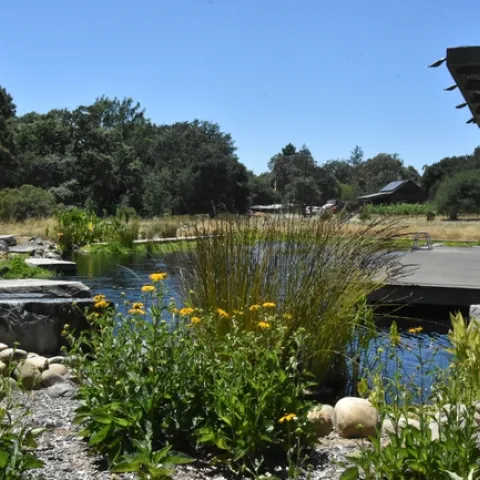
pond
Spill the Beans: Article

Garden Tours Get Better and Better

August 29, 2022
by Cynthia Kerson Being a UC Master Gardener of Napa County has many joys in volunteering to educate home gardeners. In between volunteering, our members decided to tour each others gardens during spring and summer months.
View Article