A Natural Solution for California's Herds: African Catfish Peptides

California's cattle producers and agricultural communities are all too familiar with the rising challenge of antibiotic resistance, making common bacterial infections harder to treat in livestock. But imagine a future where we could tackle these infections with a natural, powerful alternative. Our research points to just that: antimicrobial peptides (AMPs) found in African catfish.

We're really excited about these peptides because African catfish thrive in pathogen-rich freshwater, naturally producing these robust immune compounds in their skin mucus as a defense. This natural origin makes them highly appealing alternatives to synthetic drugs.

Predicted Safety and Potent Action

One of the most compelling aspects of these AMPs is their predicted safety for mammals. Our initial computer analyses suggest that various catfish AMPs are generally recognized as safe (GRAS). We predict they'll be absorbed in the human intestine without causing liver, brain, or heart toxicity. Furthermore, lab tests on a promising peptide, NACAP-II, confirmed it was non-hemolytic, meaning it didn't damage rabbit red blood cells—a strong indicator of its potential safety for mammalian cells.

Beyond safety, these peptides demonstrate effectiveness against problematic bacteria. One study revealed NACAP-II's strong activity against Extended-Spectrum Beta-Lactamase (ESBL)-producing Escherichia coli—a critical concern for both animal and human health due to its resistance to many common antibiotics. Another peptide, ACAP-IV, also showed antibacterial activity against E. coli and Staphylococcus aureus. We believe these AMPs work by directly disrupting bacterial cell membranes, a mechanism that makes it harder for bacteria to develop resistance compared to how they resist traditional antibiotics.
Primary Image
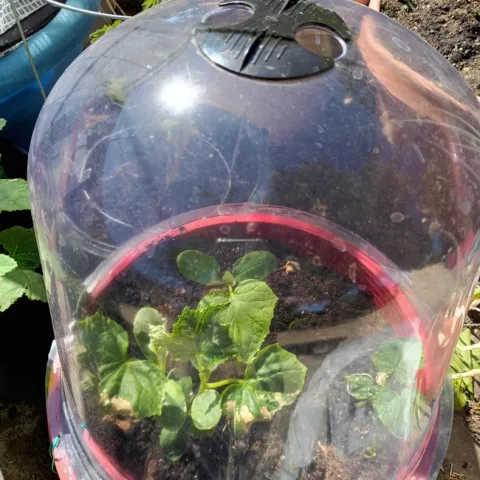
Cloche. photos by Kathy Low
Under the Solano Sun: Article

Cloches

June 1, 2022
I've never used a cloche, so I thought it was time to experiment with a modern cloche. If you're unfamiliar with a cloche (in French cloche means bell), it's a bell-shaped plant cover. Invented in 1623 in France,* cloches were initially made from glass.
View Article
Article

COVID-19 Status Report

June 1, 2022
By Pamela S Kan-Rice
The rate of COVID-19 cases has been increasing in many of our communities. Public health officials have indicated that the current subvariant appears to spread more easily, but in most cases the symptoms of illness are mild and people recover in a few days.
View Article
Kern County: Article

Climate Smart Newsletter - June 2022

June 1, 2022
In this issue: Funding opportunity from Western SARE Free leak detection surveys for small water systems Irrigation trainings from the Fresno State Center for Irrigation Technology...
View Article
Lake County: Article

JUNE 2022 YOUR NORTH COAST ORCHARD NOTES

June 1, 2022
2022 LAKE COUNTY SUMMER WALNUT FIELD MEETING Growth and Yield Performance of Clonal Paradox Walnut Rootstocks plus Walnut Husk Fly Monitoring and Control Summer Walnut Tree Care...
View Article

Growing Tomatoes as Cordons

June 1, 2022
In parts of the world where the growing season is short or there is a general lack of sunlight, tomatoes are often grown as cordons, which enables more of the available light to reach the fruit.
View Article
Primary Image
ipm citrus
Topics in Subtropics: Article

CCA, DPR CEUs on YOUR Time

June 1, 2022
By Ben A Faber
The UC Statewide IPM Program provides online courses and webinars that reflect up-to-date pest management and pesticide safety information.
View Article
Primary Image
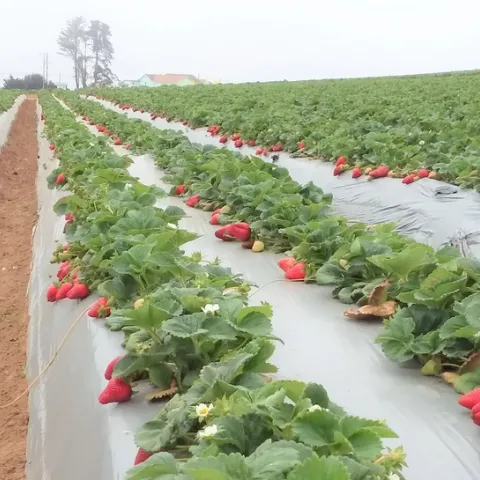
Field of ripe, red strawberries

New California Organic Research Agenda available online

May 31, 2022
By Pamela S Kan-Rice
Organic Farming Research Foundation (OFRF) has published the new California Organic Research Agenda (CORA), a comprehensive report that examines current needs and challenges of organic farmers and ranchers across California and provides policy and research recommendations to address producer-identif...
View Article