A Natural Solution for California's Herds: African Catfish Peptides

California's cattle producers and agricultural communities are all too familiar with the rising challenge of antibiotic resistance, making common bacterial infections harder to treat in livestock. But imagine a future where we could tackle these infections with a natural, powerful alternative. Our research points to just that: antimicrobial peptides (AMPs) found in African catfish.

We're really excited about these peptides because African catfish thrive in pathogen-rich freshwater, naturally producing these robust immune compounds in their skin mucus as a defense. This natural origin makes them highly appealing alternatives to synthetic drugs.

Predicted Safety and Potent Action

One of the most compelling aspects of these AMPs is their predicted safety for mammals. Our initial computer analyses suggest that various catfish AMPs are generally recognized as safe (GRAS). We predict they'll be absorbed in the human intestine without causing liver, brain, or heart toxicity. Furthermore, lab tests on a promising peptide, NACAP-II, confirmed it was non-hemolytic, meaning it didn't damage rabbit red blood cells—a strong indicator of its potential safety for mammalian cells.

Beyond safety, these peptides demonstrate effectiveness against problematic bacteria. One study revealed NACAP-II's strong activity against Extended-Spectrum Beta-Lactamase (ESBL)-producing Escherichia coli—a critical concern for both animal and human health due to its resistance to many common antibiotics. Another peptide, ACAP-IV, also showed antibacterial activity against E. coli and Staphylococcus aureus. We believe these AMPs work by directly disrupting bacterial cell membranes, a mechanism that makes it harder for bacteria to develop resistance compared to how they resist traditional antibiotics.


Primary Image
Coastside Magazine cover May 2022
UC Master Gardeners of San Mateo & San Francisco Counties: Article

Growing Great Roses: How To Do It On The Coast

May 30, 2022
Growing roses on the coast can be more of a challenge than in other parts of the Bay Area. Wind, higher humidity, cloudy weather, and salty air can thwart the gardener's quest for lovely blooms.
View Article
Primary Image
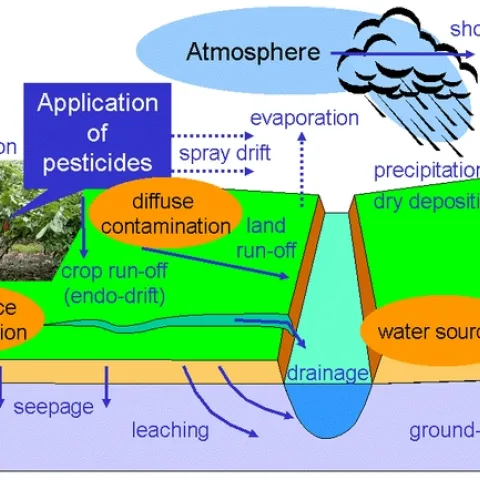
Environmental contamination Wikimedia commons
Spill the Beans: Article

Using Pesticides the IPM Way

May 30, 2022
Melody Kendall Pesticide use has become quite the controversy of late. I have used products in the past that now make me cringe when I think about how blithely I spread such toxic compounds in my garden.
View Article
Primary Image
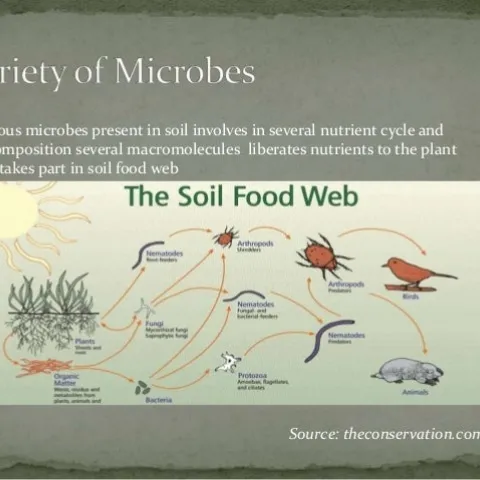
Role of microorganisms in soil fertility (slideshare.net theconservation.com)
Napa Master Gardener Column: Article

The only time you want to see holes in your undies

May 27, 2022
Six weeks ago, I dug up my undies. Earlier this year, I decided to repeat an experiment that the new class of Napa County Master Gardeners had conducted last winter: I buried my underpants. Why do such a thing? The results will tell you how active the residents of your soil are.
View Article
Primary Image
Isgouhi Kaloshian
Entomology & Nematology News: Article

Isgouhi Kaloshian: Seminar on Her Root-Knot Nematode Research

May 27, 2022
By Kathy Keatley Garvey
Molecular geneticist and nematologist Isgouhi Kaloshian, divisional dean of the Agricultural and Natural Resources for the Natural and Agricultural Sciences, UC Riverside, and a professor at UC Riverside, will be the next and final speaker of the UC Davis Department of Entomology and Nematology's sp...
View Article
Primary Image
Joy Hollingsworth
ANR Employee News: Article

Names in the News

May 27, 2022
By Pamela S Kan-Rice
Hollingsworth named UCCE table grape advisor Joy Hollingsworth began working as the new UCCE table grape advisor serving Tulare and Kings counties on May 16.
View Article
Primary Image
A girl plays among chalk figures drawn on pavement.
ANR Employee News: Article

Avoid copyright infringement for photos and other images

May 27, 2022
By Pamela S Kan-Rice
To use a photograph, illustration, chart or other graphic image that you didn't create, you may need to get permission. Using copyrighted material without permission is copyright infringement or copyright violation and can result in costly legal penalties.
View Article