A Natural Solution for California's Herds: African Catfish Peptides

California's cattle producers and agricultural communities are all too familiar with the rising challenge of antibiotic resistance, making common bacterial infections harder to treat in livestock. But imagine a future where we could tackle these infections with a natural, powerful alternative. Our research points to just that: antimicrobial peptides (AMPs) found in African catfish.

We're really excited about these peptides because African catfish thrive in pathogen-rich freshwater, naturally producing these robust immune compounds in their skin mucus as a defense. This natural origin makes them highly appealing alternatives to synthetic drugs.

Predicted Safety and Potent Action

One of the most compelling aspects of these AMPs is their predicted safety for mammals. Our initial computer analyses suggest that various catfish AMPs are generally recognized as safe (GRAS). We predict they'll be absorbed in the human intestine without causing liver, brain, or heart toxicity. Furthermore, lab tests on a promising peptide, NACAP-II, confirmed it was non-hemolytic, meaning it didn't damage rabbit red blood cells—a strong indicator of its potential safety for mammalian cells.

Beyond safety, these peptides demonstrate effectiveness against problematic bacteria. One study revealed NACAP-II's strong activity against Extended-Spectrum Beta-Lactamase (ESBL)-producing Escherichia coli—a critical concern for both animal and human health due to its resistance to many common antibiotics. Another peptide, ACAP-IV, also showed antibacterial activity against E. coli and Staphylococcus aureus. We believe these AMPs work by directly disrupting bacterial cell membranes, a mechanism that makes it harder for bacteria to develop resistance compared to how they resist traditional antibiotics.
Primary Image
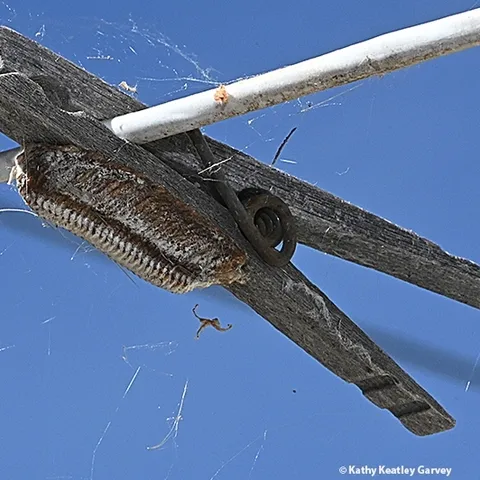
This is what the ootheca looked like in mid-March. (Photo by Kathy Keatley Garvey)
Bug Squad: Article

The Day a Clothespin Sprang to Life

April 14, 2022
By Kathy Keatley Garvey
Saturday, April 9 was the day a clothespin sprang to life. Some 200 praying mantis nymphs emerged from an ootheca that Mama Mantis (Stagmomantis limbata) had deposited last summer in our pollinator garden in Vacaville.
View Article
Colusa County: Article

Plant Clinic

April 13, 2022
Do you have gardening questions? What weed is this? What insect is this? What are some good water wise plants? Need tomato advice? What tree should you plant?
View Article
Primary Image
This lady beetle, aka ladybug, appears to ponder its next move. (Photo by Kathy Keatley Garvey)
Bug Squad: Article

Flight of the Ladybug, The Origami Master

April 13, 2022
By Kathy Keatley Garvey
Ladybug, ladybug fly away home Your house is on fire and your children are gone All except one, and her name is Ann And she hid under the baking pan. So says a traditional nursery rhyme traced back to 1744 when it appeared in Tommy Thumb's Pretty Songbook, according to Wikipedia.
View Article
Primary Image
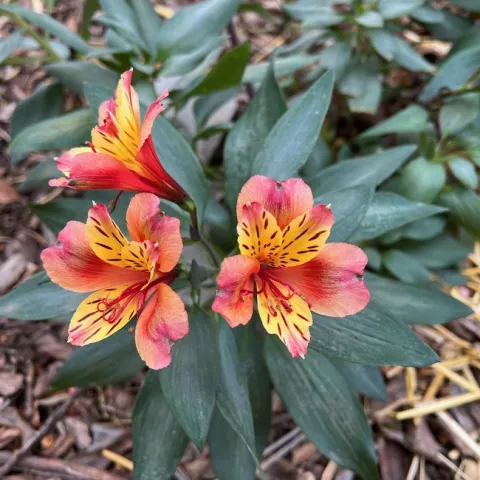
photo of a red and yellow striped alstroemeria (peruvian lily) with a background of wood mulch
Under the Solano Sun: Article

GardenFit

April 13, 2022
Gardening is inspirational, empowering, creative, and exhausting. I weed, prune, rake and mulch all in anticipation of what I really want to do - plant. If I am not already achy when I come in, I will be the next day or two or three.
View Article
Primary Image
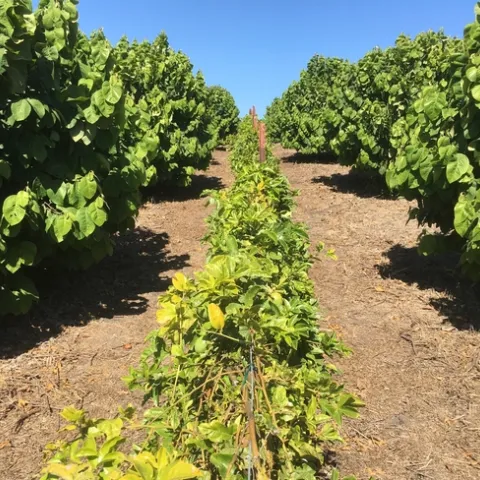
passionfruit interplanted with chermioya
Topics in Subtropics: Article

Follow Your Passion

April 13, 2022
By Ben A Faber
To Passionfruit Growers, packers, shippers: Several researchers in states with passionfruit are collaborating with Dr. Eric Stafne, Professor, Fruit Crops from Mississippi State University on a project to prioritize research and extension programs for the U.S. passionfruit industry.
View Article