A Natural Solution for California's Herds: African Catfish Peptides

California's cattle producers and agricultural communities are all too familiar with the rising challenge of antibiotic resistance, making common bacterial infections harder to treat in livestock. But imagine a future where we could tackle these infections with a natural, powerful alternative. Our research points to just that: antimicrobial peptides (AMPs) found in African catfish.

We're really excited about these peptides because African catfish thrive in pathogen-rich freshwater, naturally producing these robust immune compounds in their skin mucus as a defense. This natural origin makes them highly appealing alternatives to synthetic drugs.

Predicted Safety and Potent Action

One of the most compelling aspects of these AMPs is their predicted safety for mammals. Our initial computer analyses suggest that various catfish AMPs are generally recognized as safe (GRAS). We predict they'll be absorbed in the human intestine without causing liver, brain, or heart toxicity. Furthermore, lab tests on a promising peptide, NACAP-II, confirmed it was non-hemolytic, meaning it didn't damage rabbit red blood cells—a strong indicator of its potential safety for mammalian cells.

Beyond safety, these peptides demonstrate effectiveness against problematic bacteria. One study revealed NACAP-II's strong activity against Extended-Spectrum Beta-Lactamase (ESBL)-producing Escherichia coli—a critical concern for both animal and human health due to its resistance to many common antibiotics. Another peptide, ACAP-IV, also showed antibacterial activity against E. coli and Staphylococcus aureus. We believe these AMPs work by directly disrupting bacterial cell membranes, a mechanism that makes it harder for bacteria to develop resistance compared to how they resist traditional antibiotics.
Primary Image
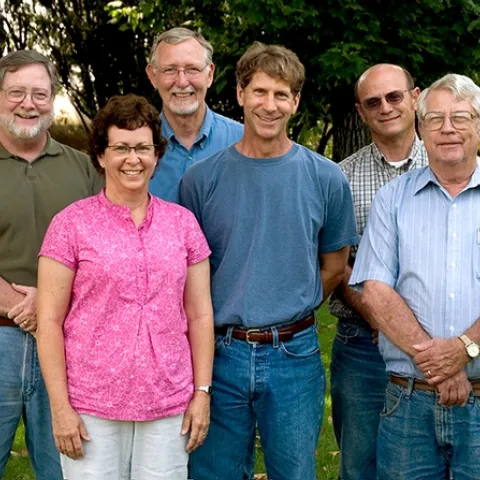
Charlie Summers and his colleagues, self-described "Bug People" at the Kearney Agricultural Research and Extension Center, Parlier, posed for this photo in 2008. In front (from left), are Elizabeth Crafton-Cardwell, Kent Daane, and Summers. In back (from left) are Marshall Johnson, Walter Bentley and Pete Goodell. (Photo courtesy of Marshall Johnson)
Entomology & Nematology News: Article

Charles 'Charlie' Geddes Summers, 1941-2021

September 3, 2021
By Kathy Keatley Garvey
Prominent integrated pest management (IPM) entomologist Charles "Charlie" Geddes Summers of Clinton, Utah, whose University of California career in crop pest management spanned 42 years, died Aug. 12, 2021 at age 79 of acute respiratory failure at a hospital in Layton, Utah. Dr.
View Article
Primary Image
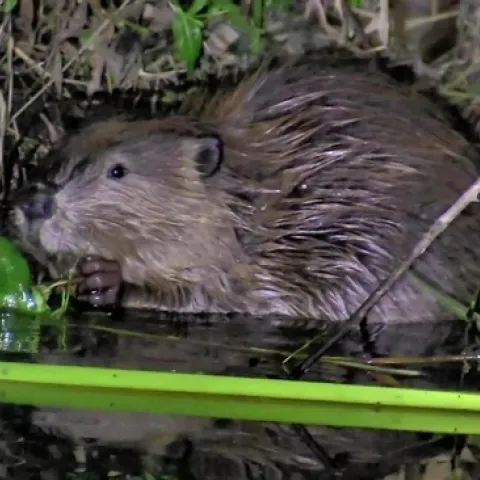
A North American Beaver at a popular neighborhood park in South Bay
UC Environmental Stewards Blog: Article

The Biodiversity of the San Francisco Bay & Delta Bioregion

September 3, 2021
Guest author Karan Gathani is a certified Grassroots Ecology California Naturalist, and writes about the San Francisco Bay and Delta Biogregion for California Biodiversity Week 2021. You can follow more of Karan's writings posted on California Naturalist Diaries.
View Article
Primary Image
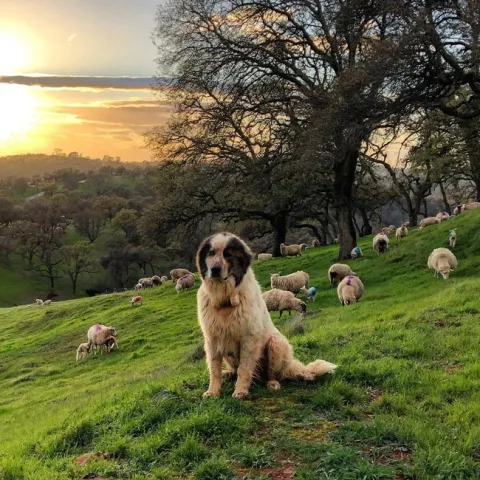
Livestock Guard Dog - photo by Dan Macon

Survey for Livestock Guard Dog Owners

September 3, 2021
By John Harper
UCCE Looking to Document LGD Bonding Techniques The process of bonding livestock guardian dogs with livestock is crucial to their success as adult dogs. However, little if any research-based information is available on bonding techniques.
View Article
Soils and Nutrients: Article

Fall 2021

September 3, 2021
*Properties of Manure as a Nitrogen Fertilizer *Irrigation and Nutrient Management Workshop *Annual Alfalfa and Forage Field Day...
View Article
Primary Image
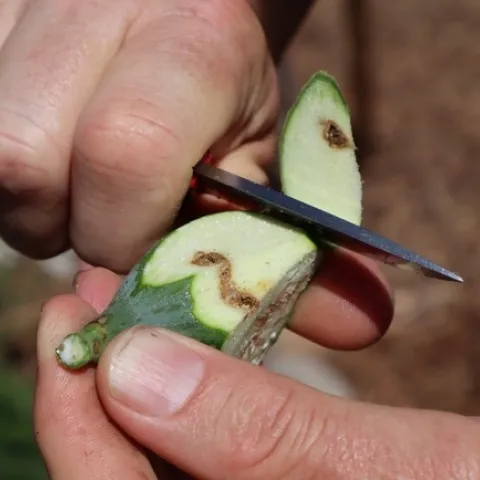
bff internal damage
Topics in Subtropics: Article

Watch for Fig Fly

September 3, 2021
By Ben A Faber
PEST ALERT Black Fig Fly (Diptera: Lonchaeidae: Silba adipata) Invasive Fig Pest Recently Discovered in Southern California Overview: Fig growers need to be aware of the black fig fly (BFF), an invasive insect that was recently discovered infesting figs in multiple counties in southern California.
View Article