A Natural Solution for California's Herds: African Catfish Peptides

California's cattle producers and agricultural communities are all too familiar with the rising challenge of antibiotic resistance, making common bacterial infections harder to treat in livestock. But imagine a future where we could tackle these infections with a natural, powerful alternative. Our research points to just that: antimicrobial peptides (AMPs) found in African catfish.

We're really excited about these peptides because African catfish thrive in pathogen-rich freshwater, naturally producing these robust immune compounds in their skin mucus as a defense. This natural origin makes them highly appealing alternatives to synthetic drugs.

Predicted Safety and Potent Action

One of the most compelling aspects of these AMPs is their predicted safety for mammals. Our initial computer analyses suggest that various catfish AMPs are generally recognized as safe (GRAS). We predict they'll be absorbed in the human intestine without causing liver, brain, or heart toxicity. Furthermore, lab tests on a promising peptide, NACAP-II, confirmed it was non-hemolytic, meaning it didn't damage rabbit red blood cells—a strong indicator of its potential safety for mammalian cells.

Beyond safety, these peptides demonstrate effectiveness against problematic bacteria. One study revealed NACAP-II's strong activity against Extended-Spectrum Beta-Lactamase (ESBL)-producing Escherichia coli—a critical concern for both animal and human health due to its resistance to many common antibiotics. Another peptide, ACAP-IV, also showed antibacterial activity against E. coli and Staphylococcus aureus. We believe these AMPs work by directly disrupting bacterial cell membranes, a mechanism that makes it harder for bacteria to develop resistance compared to how they resist traditional antibiotics.
Fresno County 4-H: Article

April-May 2021 Guidelines

April 19, 2021
In This Edition 4-H Leaders Council & Committee Mtgs., Pg. 2 Office Temporary Closed, Pg. 2 CCLS (Community Club Leaders) - Need to Know!, Pg. 2 Coronavirus Update on 4-H Activities, Pg. 3 Check out our Fresno County 4-H Website!, Pg. 3 Community Service Online Reporting, Pg.
View Article
Primary Image
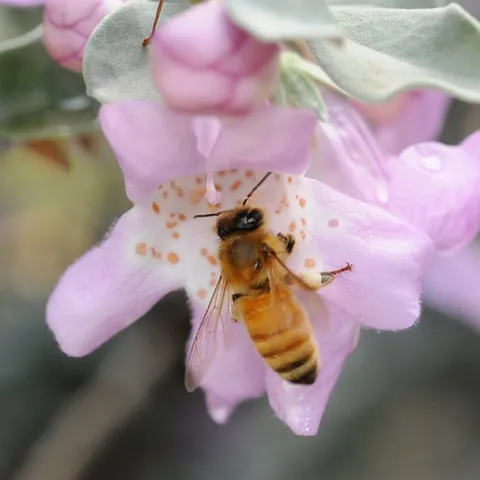
honeybees find abundant nectar in the tubular flowers of Texas sage
Landscape Lush: Article

Bee Smart with Pesticide Applications

April 19, 2021
By Karrie Reid
I don't know if you've noticed, but they have actually been buzzing around since the first fruit trees blossomed in February. There has been a lot of press coverage about bees, especially about Colony Collapse Disorder and the critical importance of bees to California Agriculture.
View Article
Primary Image
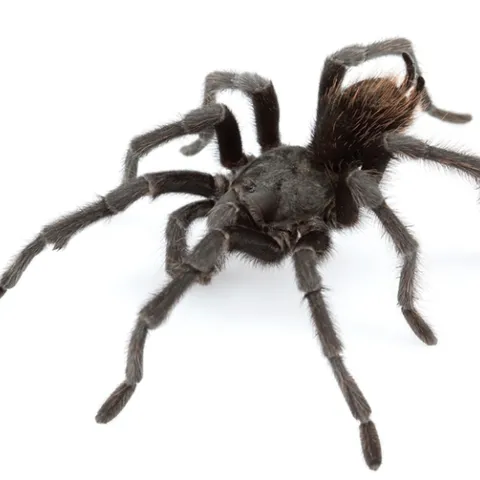
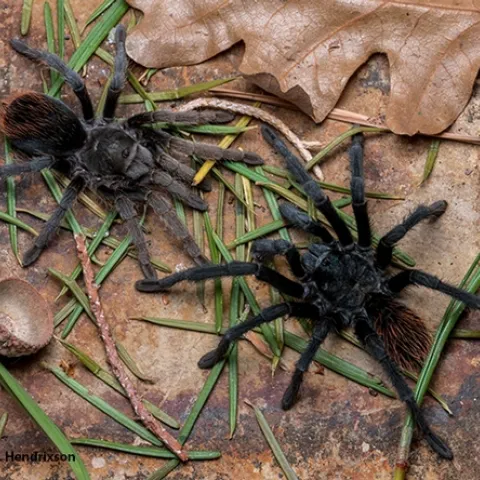
Chris Hamilton of the University of Idaho will present a UC Davis seminar on tarantula diversity on April 21. This is an undescribed species collected on the mountain ranges, the Sky Islands, in southeastern Arizona. (Photo by Brent E. Hendrixson)
Entomology & Nematology News: Article

Chris Hamilton to Speak on Tarantula Diversity

April 19, 2021
By Kathy Keatley Garvey
Evolutionary biologist and taxonomist Chris Hamilton of the University of Idaho faculty will discuss his research on tarantula diversity at the next seminar hosted by the UC Davis Department of Entomology and Nematology.
View Article
Primary Image
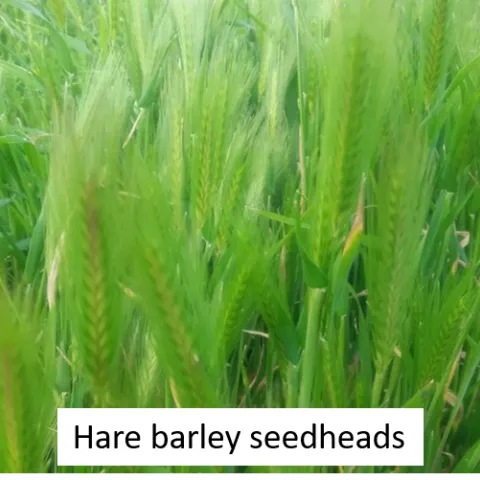
Hare Barley
UC Weed Science (weed control, management, ecology, and minutia): Article

The many faces of foxtails

April 19, 2021
From roadsides in the city of Fresno to the oak woodlands in nearby Sequoia National Park, annual barleys and bromes are going to seed. In addition to a variety of other grasses, I often hear landowners, weed managers, pet owners, and veterinary advice blogs call these species "foxtails".
View Article