A Natural Solution for California's Herds: African Catfish Peptides

California's cattle producers and agricultural communities are all too familiar with the rising challenge of antibiotic resistance, making common bacterial infections harder to treat in livestock. But imagine a future where we could tackle these infections with a natural, powerful alternative. Our research points to just that: antimicrobial peptides (AMPs) found in African catfish.

We're really excited about these peptides because African catfish thrive in pathogen-rich freshwater, naturally producing these robust immune compounds in their skin mucus as a defense. This natural origin makes them highly appealing alternatives to synthetic drugs.

Predicted Safety and Potent Action

One of the most compelling aspects of these AMPs is their predicted safety for mammals. Our initial computer analyses suggest that various catfish AMPs are generally recognized as safe (GRAS). We predict they'll be absorbed in the human intestine without causing liver, brain, or heart toxicity. Furthermore, lab tests on a promising peptide, NACAP-II, confirmed it was non-hemolytic, meaning it didn't damage rabbit red blood cells—a strong indicator of its potential safety for mammalian cells.

Beyond safety, these peptides demonstrate effectiveness against problematic bacteria. One study revealed NACAP-II's strong activity against Extended-Spectrum Beta-Lactamase (ESBL)-producing Escherichia coli—a critical concern for both animal and human health due to its resistance to many common antibiotics. Another peptide, ACAP-IV, also showed antibacterial activity against E. coli and Staphylococcus aureus. We believe these AMPs work by directly disrupting bacterial cell membranes, a mechanism that makes it harder for bacteria to develop resistance compared to how they resist traditional antibiotics.


Stanislaus County: Article

Evapotranspiration Report - 4/9/2020

April 13, 2020
Hello all, Please find the attached document to provide the previous weeks estimated water use report in terms of evapotranspiration for almonds, peaches, walnuts, established vineyard, alfalfa, and pasture in Stanislaus County.
View Article
Primary Image
citrus and mountains
Topics in Subtropics: Article

What's Happening with Citrus Production?

April 13, 2020
By Ben A Faber
The USDA has released their Fruit and Nuts Outlook Report which shows the forecast the 2019/2020 seasons and provides an overview of the markets. The 2019/20 citrus crop is forecast to be 7.63 million tons, down 4 percent from the previous season.
View Article
The Long Narrow Swale: Article

The Rumsfeld filter

April 12, 2020
By Neil McRoberts
It is well over a year since the first post on this blog. I had intended it to be monthly or maybe happen once every two months. Ah well, most of the time that I wasn't spending writing blogs I was sciencing, so I'll let myself off the hook.
View Article
Primary Image
Scenic view
UC Weed Science (weed control, management, ecology, and minutia): Article

JOB ANNOUNCEMENT :: Agronomy and Weed Management Advisor

April 12, 2020
By Clifford S Stoddard
JOB ANNOUNCEMENT (AP 20-06) County Location: Merced County Date Posted: April 7, 2020 Closing Date: May 31, 2020 Location Headquarters: Merced, California For more information, visit https://ucanr.
View Article
Primary Image
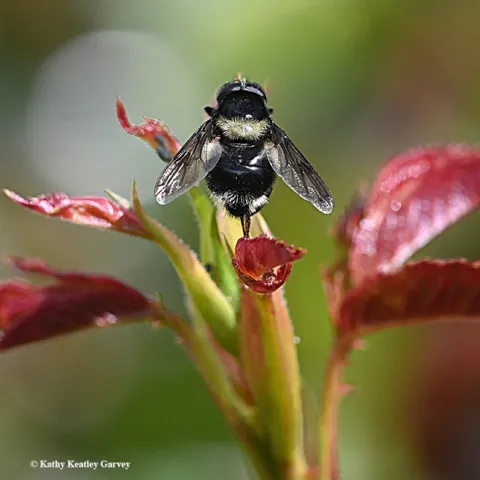
A hover fly that's a bumble bee mimic: this is Volucella bombylans complex. (Photo by Kathy Keatley Garvey)
Bug Squad: Article

This Hover Fly Engages in Identity Theft

April 10, 2020
By Kathy Keatley Garvey
The wonderful world of insects... Have you ever seen a syrphid, aka hover fly or flower fly, that resembles a bumble bee? Volucella bombylans is a fascinating fly that engages in identify theft. Of a bumble bee. It's a "wanna bee.
View Article
Article

Staff performance appraisals postponed

April 10, 2020
By Pamela S Kan-Rice
On April 8, UC President Napolitano announced that the FY 2019-20 systemwide annual performance-appraisal program for policy-covered staff will be suspended until fall 2020, in consideration of the impact of the COVID-19 situation.
View Article
Primary Image
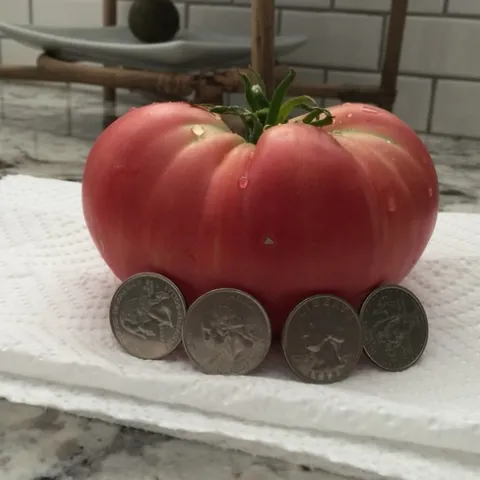
Mortgage Lifter Tomato. (photo: Royce Rhoads)
The Stanislaus Sprout: Article

Ode to a Tomato

April 10, 2020
By Anne E Schellman
It would be safe to say that tomatoes are the most popular home-grown vegetable. Any garden department or nursery this time of the year has a huge array of varieties. You can become positively confused with numerous names, sizes, and descriptions.
View Article