A Natural Solution for California's Herds: African Catfish Peptides

California's cattle producers and agricultural communities are all too familiar with the rising challenge of antibiotic resistance, making common bacterial infections harder to treat in livestock. But imagine a future where we could tackle these infections with a natural, powerful alternative. Our research points to just that: antimicrobial peptides (AMPs) found in African catfish.

We're really excited about these peptides because African catfish thrive in pathogen-rich freshwater, naturally producing these robust immune compounds in their skin mucus as a defense. This natural origin makes them highly appealing alternatives to synthetic drugs.

Predicted Safety and Potent Action

One of the most compelling aspects of these AMPs is their predicted safety for mammals. Our initial computer analyses suggest that various catfish AMPs are generally recognized as safe (GRAS). We predict they'll be absorbed in the human intestine without causing liver, brain, or heart toxicity. Furthermore, lab tests on a promising peptide, NACAP-II, confirmed it was non-hemolytic, meaning it didn't damage rabbit red blood cells—a strong indicator of its potential safety for mammalian cells.

Beyond safety, these peptides demonstrate effectiveness against problematic bacteria. One study revealed NACAP-II's strong activity against Extended-Spectrum Beta-Lactamase (ESBL)-producing Escherichia coli—a critical concern for both animal and human health due to its resistance to many common antibiotics. Another peptide, ACAP-IV, also showed antibacterial activity against E. coli and Staphylococcus aureus. We believe these AMPs work by directly disrupting bacterial cell membranes, a mechanism that makes it harder for bacteria to develop resistance compared to how they resist traditional antibiotics.
ANR Contracts & Grants Updates: Article

CalEPA EJ Small Grants Deadline Extended to 5/1/2020

April 9, 2020
By Kathleen P Nolan
Dear Colleagues, Due to the COVID-19 pandemic, the California Environmental Protection Agency (CalEPA) Environmental Justice (EJ) Small Grants Program has extended the 2020 application deadline to Friday, May 1, 2020.
View Article
Stanislaus County: Article

IPM Breakfast Meeting Cancellation

April 9, 2020
Good Morning: Due to the threat of the coronavirus that causes COVID-19, University of California employees have been ordered to temporarily cancel all face-to-face educational events, regardless of size.
View Article
Stanislaus County: Article

IPM Breakfast Meeting Cancellation

April 9, 2020
Good Morning: Due to the threat of the coronavirus that causes COVID-19, University of California employees have been ordered to temporarily cancel all face-to-face educational events, regardless of size.
View Article
Primary Image
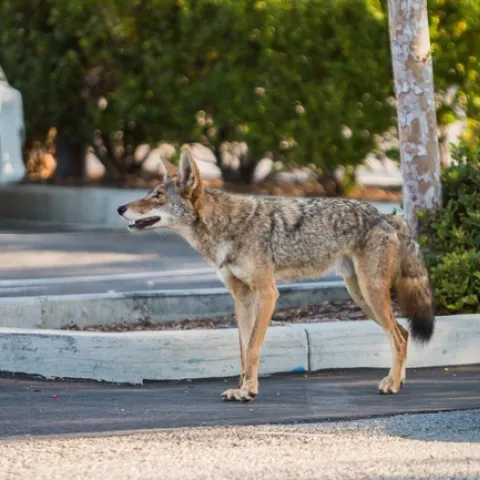
Urban coyote sightings can be recorded at https://ucanr.edu/sites/CoyoteCacher/ (Photo: National Park Service)
ANR News Blog: Article

Are coyotes becoming bolder in California while humans shelter in place?

April 9, 2020
By Jeannette Warnert
Coyote sightings are on the rise in San Francisco, even taking naps in patches of green spaces in the city, reported Uma Chrobak in Popular Science. However, it is unlikely they indicate a change in wildlife behavior, said UC Cooperative Extension human-wildlife interactions advisor Niamh Quinn.
View Article
Primary Image
photos by Paula Pashby
Under the Solano Sun: Article

Ya-Po-Ah Retirement Home with Special Gardens!

April 9, 2020
A while ago, my Dad's circumstances required him to change his living situation and location. So, my Dad, my siblings and I got together to decide what would be best for him. We all decided on Eugene, OR so he could be close to one of my sisters.
View Article
Primary Image
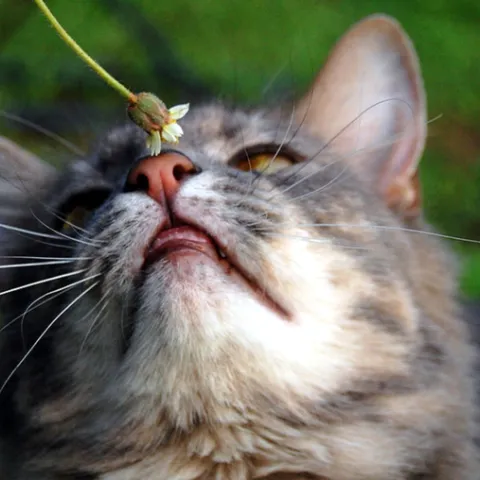
Cat
Spill the Beans: Article

Good Scents in the Garden

April 9, 2020
Editor's note: Master Gardeners are keeping busy in their own gardens during Napa County's Shelter in Place directive.
View Article
Primary Image
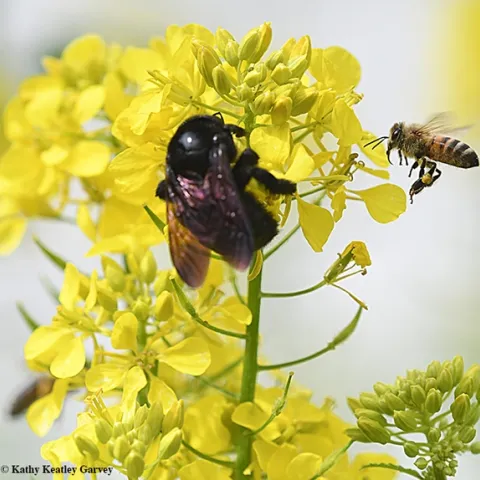
A honey bee comes faces to face with a Valley carpenter bee on a mustard blossom. The Valley carpenter bee is native to the United States, while the honey bee is native to Europe. (Photo by Kathy Keatley Garvey)
Bug Squad: Article

David and Goliath? Underdog Vs. Bigger Opponent?

April 8, 2020
By Kathy Keatley Garvey
Remember the biblical story about David and Goliath? How young David, the underdog, defeats a Philistine giant? Sometimes you think the same kind of battle will occur in nature when a honey bee, Apis mellifera, encounters a much larger carpenter bee, the Valley carpenter bee, Xylocopa varipuncta.
View Article
Primary Image
Garrett Keating, recipient of Department Citation from the UC Davis Department of Entomology and Nematology for outstanding work.
Entomology & Nematology News: Article

Spotlight on Outstanding Student Entomologist: Garrett Keating

April 8, 2020
By Kathy Keatley Garvey
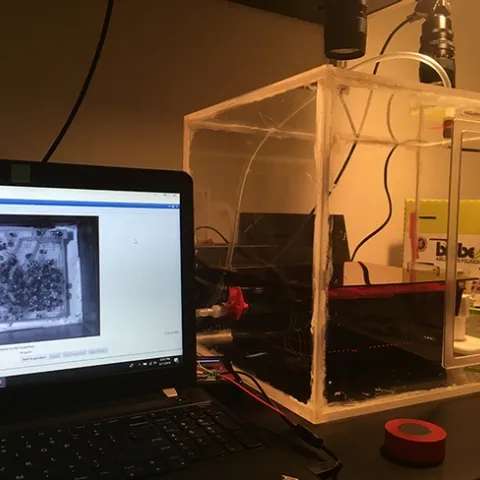
Senior entomology major Garrett Keating, who performs microbiome/pollinator experiments in the laboratory of community ecologist Rachel Vannette, is the recipient of a Department Citation from the UC Davis Department of Entomology and Nematology for his outstanding work.
View Article